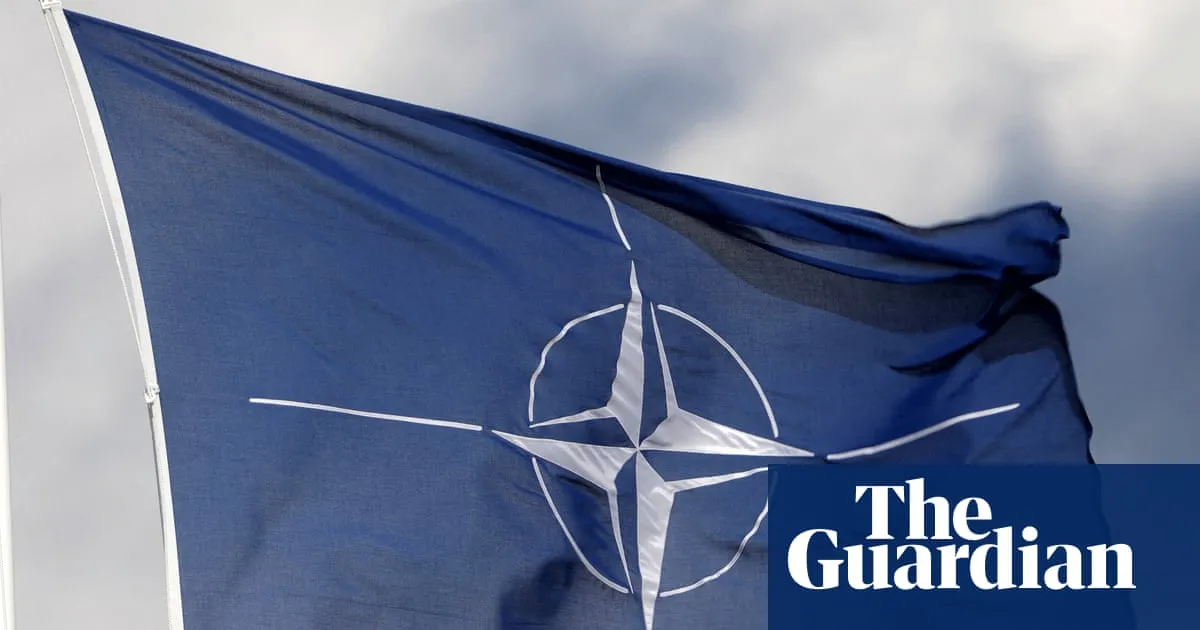

Nato’s recent engagement with the film industry has sparked controversy, as many critics argue that the alliance is attempting to use art for propaganda purposes. This initiative involves closed-door meetings with film and TV professionals across Europe and the US.
Key developments:
- Nato has held three meetings focused on security issues with film and TV professionals.
- The upcoming meeting in London will address the evolving security situation in Europe and beyond.
- Defence spending in Ireland has reached record levels following the Russian invasion of Ukraine.
Alan O’Gorman, a screenwriter, criticized the planned meeting as “outrageous” and clearly propagandistic. He expressed concern that many people have personal connections to countries affected by wars involving Nato, which adds a layer of complexity to this engagement.
Supporters of Nato argue that fostering relationships with artists can help build public support for increased defence spending. In 2024, eight screenwriters were invited to Nato’s headquarters to learn about security policy as part of this initiative.
An Ipsos poll revealed that 49% of voters in the Republic of Ireland oppose joining Nato, while only 19% support membership. The remaining 22% are undecided, indicating a divided public opinion on Nato relations.
The Writers’ Guild of Great Britain (WGGB) commented on the invitation sent to its members, describing it as an opportunity for a two-way conversation about security policies in relation to storytelling. However, this perspective is met with skepticism from critics who fear it may lead to manipulation through artistic narratives.
The ongoing discussions raise questions about the intersection of art and politics. As these meetings continue, the implications for both the film industry and public perception of defence issues remain uncertain.

Freya Donnelly is the Sports Reporter at News-UK, covering tennis, cricket and athletics with seven years of reporting experience. She reported on Team GB through an Olympic cycle. She holds a degree in Sport and Media from the University of Brighton and completed an NCTJ diploma. Based in Brighton, she plays club cricket in the summer. “Listening is the most underrated skill in sports reporting.”