
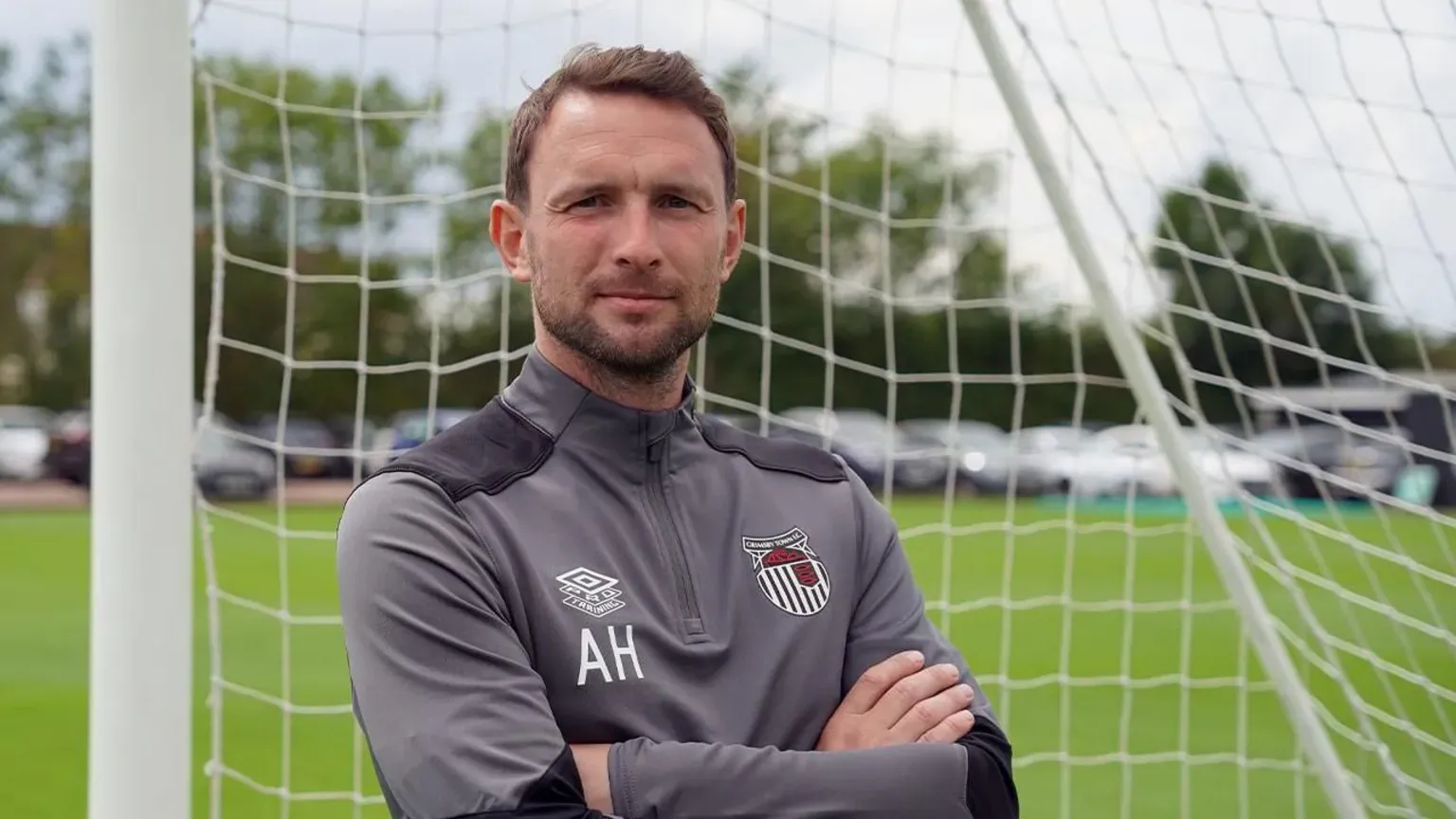
Alex Hughes, son of former Wales and Manchester United striker Mark Hughes, died from sudden adult death syndrome, an inquest has confirmed. The Grimsby Town player recruitment lead was found by his two sons at his home in Prestbury, Cheshire, on June 19 at 7am. Medics ruled the cause of death to be sudden adult death syndrome, a finding agreed upon by Coroner Victoria Davies, who ruled it natural causes.
The inquest heard that his eldest son attempted CPR, but he could not be revived. The condition, often referred to as SADS (sudden arrhythmic death syndrome), typically affects young men, with approximately 800 cases reported annually in England. The British Heart Foundation describes SADS as a sudden and unexpected death from a cardiac arrest where the cause is not immediately clear. A cardiac arrest occurs when the heart abruptly stops pumping blood, leading to a cessation of breathing and oxygen deprivation to the brain. This can be caused by dangerous abnormal heart rhythms, or arrhythmias, which are difficult to detect post-mortem as the heart’s electrical impulses cease after death, often leaving the heart’s structure appearing normal.
Tributes from the football community
Grimsby Town head coach David Artell paid tribute to Alex Hughes, describing him as a “lovely, top guy” and highlighting the cruelty of life. Hughes, who joined the Mariners in 2025, was remembered for his meticulous approach to his work. Artell noted that Hughes was not the loudest but was very humble and good at his job, always taking everything into account. The club had previously described his death in June as “sudden and unexpected.”
In a statement released via the League Managers Association at the time of the tragedy, Mark Hughes and his wife Jill expressed their heartbreak over the loss of their son. They described Alex as a wonderful son, a devoted husband to Jessica, and a proud father to their two children, Sebastian and Leonardo. The statement also acknowledged his role as Player Recruitment Lead at Grimsby Town FC and his many friends and colleagues.
The funeral for Alex Hughes was held at St Peter’s Church in Prestbury, Cheshire, where leading sports figures gathered to mourn. Among the attendees were former Manchester United manager Sir Alex Ferguson, alongside football legends Bryan Robson and Ryan Giggs. Alex‘s wife, Jessica, whom he had known since school, attended with their sons, Sebastian and Leonardo. His father-in-law, David Pollock, delivered a eulogy, recalling Alex‘s pride in his sons, who would point to the skies after scoring goals.
Alex Hughes’ career in football
Born in 1987 while his father, Mark Hughes, was under contract with Barcelona, Alex Hughes had a brief playing career in Wales. He then transitioned into various behind-the-scenes roles within football, focusing on player analysis and recruitment. His career included positions at several prominent clubs.
Hughes began his professional journey as a match analyst at Blackburn Rovers before moving to Manchester City as a scout. He later served as chief analyst at Fulham, another of his father’s former clubs. His career also involved advisory roles at 1860 Munich and Reading. In 2024, he took on the role of director of football at AFC Fylde before returning to scouting positions at Morecambe and, most recently, Grimsby Town.
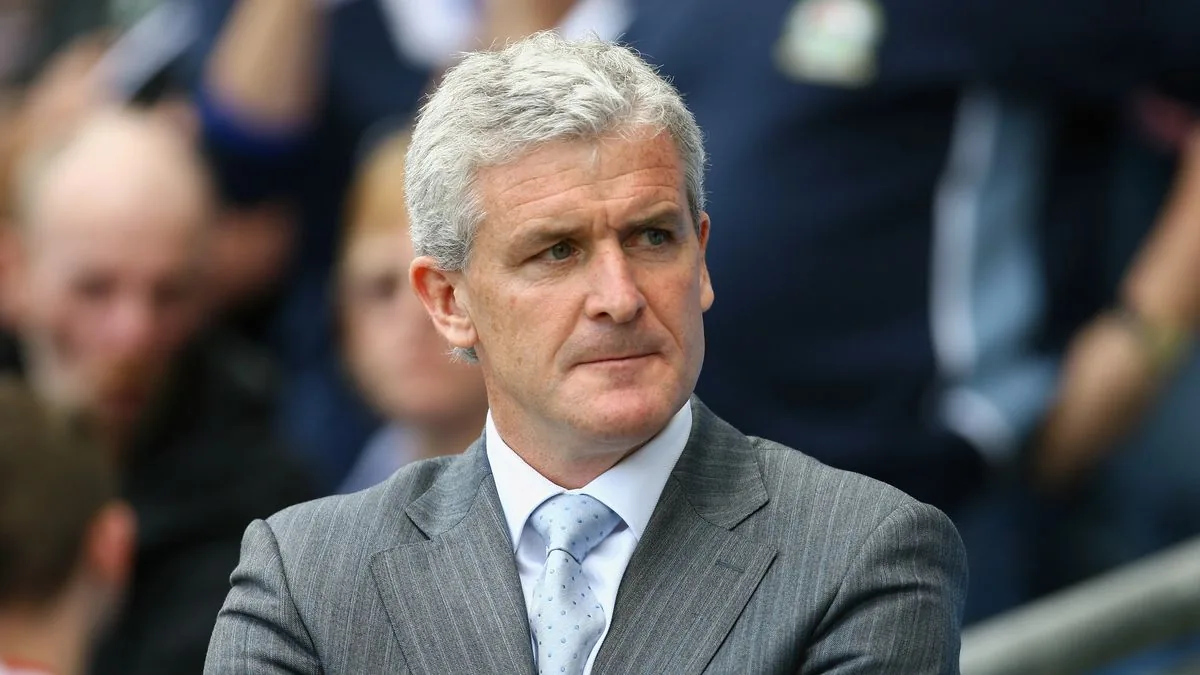
His father, Mark Hughes, had a distinguished playing career with clubs such as Manchester United, Barcelona, Bayern Munich, Chelsea, Southampton, Everton, and Blackburn. Mark Hughes also managed the Wales national team between 1999 and 2004, and later became a mainstay in Premier League management. His most recent managerial role was with Carlisle United, which he left after their defeat in the National League play-off semi-finals.
The Grimsby Town club statement, issued shortly after his death, highlighted Alex Hughes‘s significant contributions, describing him as a “devoted husband, proud father, beloved son, brother and friend” who played “an important role” in the development of the men’s first-team squad.
The inquest heard that there are around 800 cases of sudden adult death syndrome per year in England.
Source: bbc.com

Adam Rutherford is a Senior Football Correspondent at News-UK. He spent his early career filing match reports across the North West. He focuses on the Premier League, the EFL and the England national side and is known for clear, deadline-driven reporting. He holds a degree in Sports Journalism from Manchester Metropolitan University and completed an NCTJ diploma. Now based in Manchester, he coaches a youth team and watches grassroots football. “Every transfer window hides a dozen real stories.”