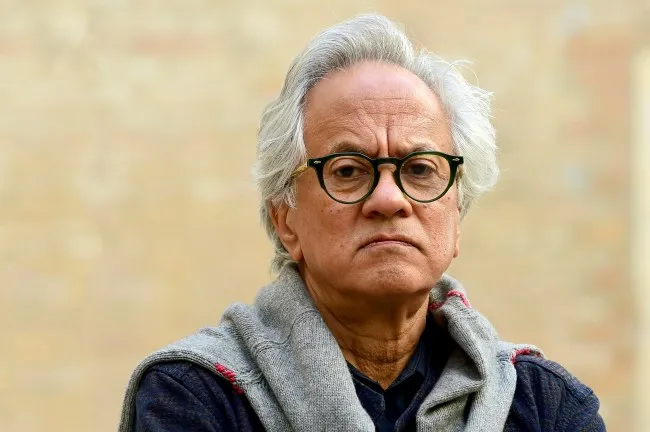

Anish Kapoor has called for the US to be excluded from the Venice Biennale due to its ‘abhorrent politics of hate’ and ‘incessant warmongering’. This statement comes as tensions rise surrounding the inclusion of various national pavilions in the prestigious art exhibition.
Meanwhile, the international jury of the Venice Biennale resigned in protest against the presence of Israel and Russia. This resignation has delayed the awarding of prizes until November 2026, raising questions about how this will affect future participation.
Separately, Alma Allen represents the US at this year’s Biennale. His selection has faced scrutiny due to perceived interference from the Trump administration, which critics believe undermines artistic integrity.
On another front, political tensions are not limited to the US entry. More than 200 participants signed a letter demanding cancellation of the Israeli pavilion, stating, “We, the undersigned, stand together as artists, curators and art workers in a collective refusal to allow you to platform the Israeli state as it commits genocide.” This collective action highlights significant dissent within the artistic community.
The Italian ministry of culture confirmed that the Russian pavilion will not be open to the public. In light of ongoing geopolitical issues, this decision reflects broader concerns about Russia’s involvement in international art events.
Additionally, the European Commission plans to terminate or suspend its €2 million grant for the exhibition due to Russia’s involvement. This financial decision underscores how political dynamics can influence cultural exchanges.
Jeffrey Uslip commented on these developments by noting that expectations around abstract or political work often dictate how it’s received. He emphasized that such dynamics shape not just individual artworks but also entire national representations.
Kapoor’s history of opposing US presidential regimes adds context to his current stance. He has previously taken legal actions against policies he deems harmful.
The unfolding situation at the Venice Biennale illustrates a complex interplay between art and politics. As artists navigate these challenges, their responses will likely influence future exhibitions and cultural dialogues.

Martha Kingsley is a Birmingham-based writer for News UK covering community, education and local affairs across the UK.