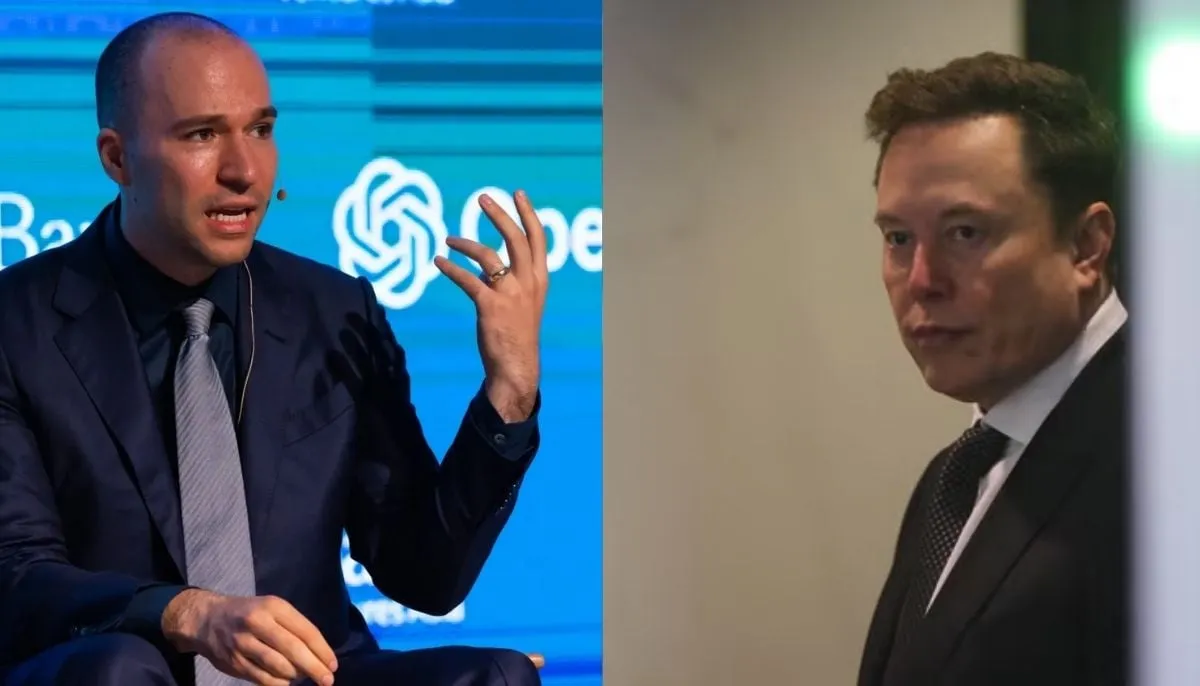

“He said he needed $80 billion to create a city on Mars,” testified Greg Brockman, president of OpenAI, during a high-profile trial. This case centers around Elon Musk’s ambitious plan to colonize Mars, which has now become a contentious issue involving allegations of fraud and control over AI funding.
Musk accuses OpenAI of defrauding him out of $38 million, claiming that his vision for Mars colonization requires significant financial backing. The trial highlights Musk’s assertion that he wanted full control over OpenAI to secure the necessary funds for this grand endeavor.
In recent developments, OpenAI plans to allocate $50 billion toward computing resources in 2026, which raises questions about the intersection of AI development and space exploration. As OpenAI gains prominence following the launch of ChatGPT in 2022, its relationship with Musk could shape the future of both organizations.
Meanwhile, a new study suggests that astronauts could complete a round trip to Mars in less than a year—a significant reduction from the current mission profiles that take roughly seven to ten months one way. This advancement could change the landscape of interplanetary travel and make Musk’s aspirations more attainable.
On another front, the next viable opportunity for rapid travel to Mars using near-term technology is projected for 2031. During this alignment, a spacecraft could potentially make a round trip to Mars in just 153 days, further fueling interest in Musk’s colonization project.
The outcome of this trial may have far-reaching implications not only for Musk and SpaceX but also for the future of AI and its role in facilitating human endeavors beyond Earth. The court proceedings will continue as both sides prepare for further testimony.

Adam Rutherford is a Senior Football Correspondent at News-UK. He spent his early career filing match reports across the North West. He focuses on the Premier League, the EFL and the England national side and is known for clear, deadline-driven reporting. He holds a degree in Sports Journalism from Manchester Metropolitan University and completed an NCTJ diploma. Now based in Manchester, he coaches a youth team and watches grassroots football. “Every transfer window hides a dozen real stories.”