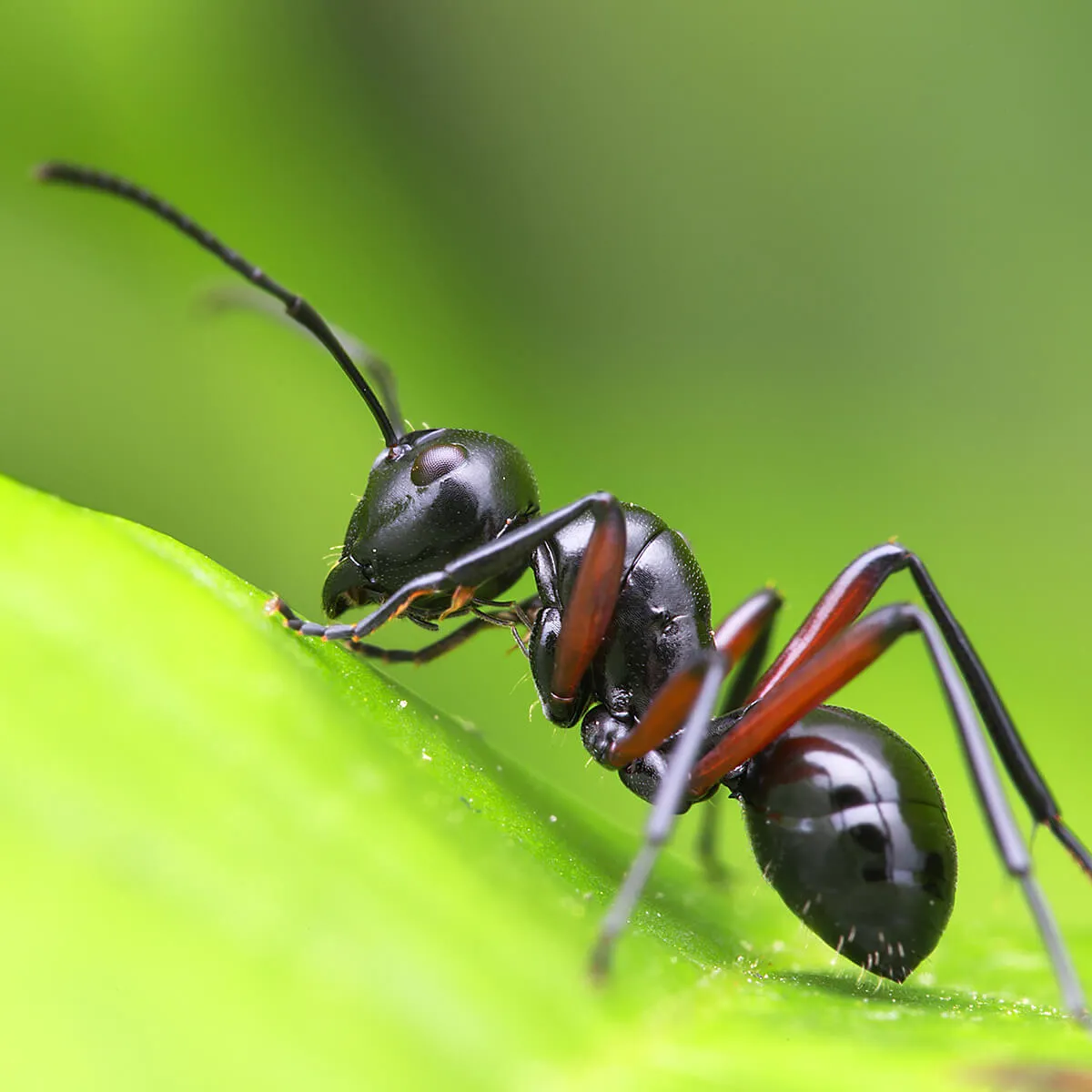

An 8-year-old boy’s discovery of ants collecting oak galls has changed scientific understanding of plant-insect interactions. Hugo Deans found the ants while exploring, leading researchers at Penn State University and SUNY to investigate this relationship further.
The study revealed that ants collect oak galls as a food source, a behavior previously undocumented. Researchers noted that ants displayed comparable interest in both oak galls and seeds during experiments.
The kapéllo, a cap on oak galls, attracts ants due to its chemical composition, which is similar to elaiosomes found on seeds. This finding sheds light on myrmecochory, a phenomenon where ants disperse seeds, documented for over a century.
On another front, ants also play a role in protecting peonies from other insects. They feed on nectar secreted by extrafloral nectaries on the plants, creating a mutually beneficial arrangement.
Daria McKelvey explains, “The arrangement is beneficial to both the peony and the ant: The ant gets a sweet treat. The peony doesn’t get eaten.” However, it’s important to note that ants do not harm peonies and are not essential for their blooming process.
In an unrelated event, a cyberattack targeted the French National Agency for Document Security (ANTS), compromising 11.7 million accounts. The attack has left the agency’s digital platform out of service since April 24.
A 15-year-old suspect was arrested in connection with the cyberattack. Authorities reported that he claimed to act for notoriety rather than financial gain and used artificial intelligence to create a false persona of an experienced cybercriminal.
The full study on ants and oak galls was published in the journal American Naturalist, providing valuable insights into these complex ecological relationships.

Freya Donnelly is the Sports Reporter at News-UK, covering tennis, cricket and athletics with seven years of reporting experience. She reported on Team GB through an Olympic cycle. She holds a degree in Sport and Media from the University of Brighton and completed an NCTJ diploma. Based in Brighton, she plays club cricket in the summer. “Listening is the most underrated skill in sports reporting.”