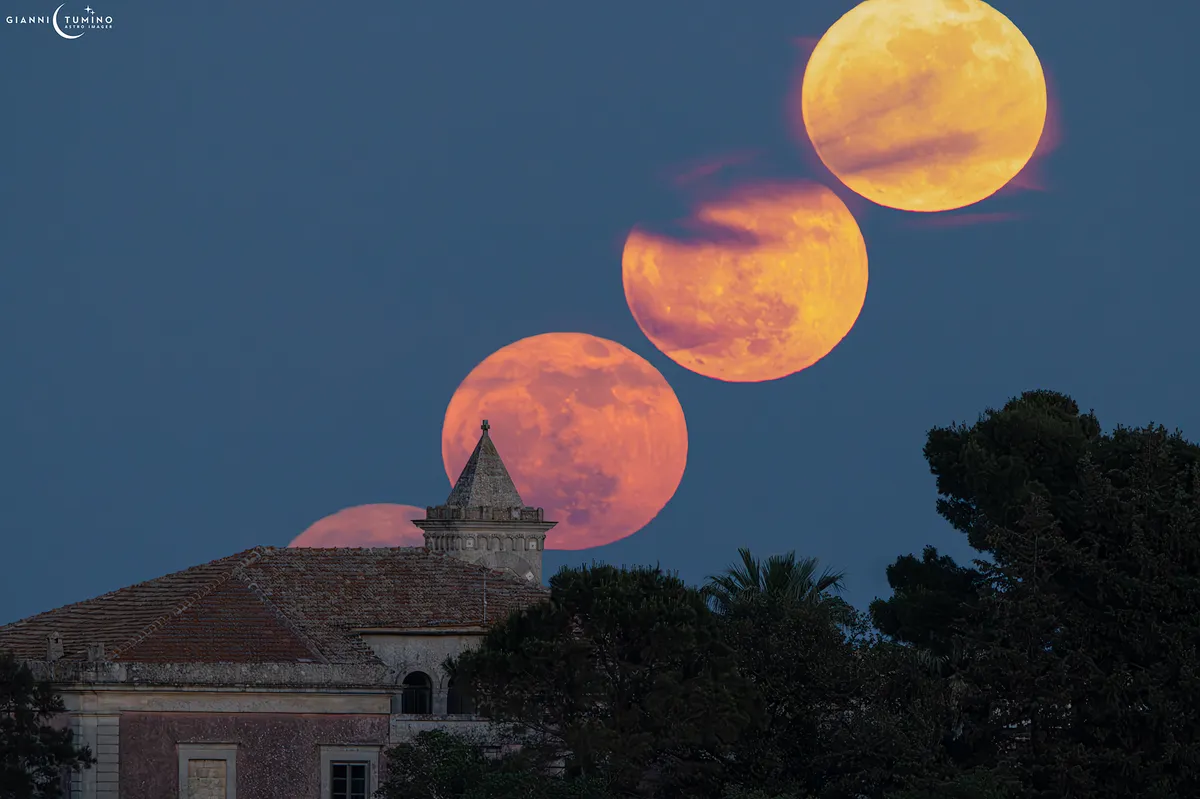

The upcoming Flower Moon on May 1, 2026, marks a significant celestial event as it will be classified as a micromoon. This means it will appear slightly smaller than usual due to being at its maximum distance from Earth, known as apogee. Coinciding with this full moon is another rare occurrence—a Blue Moon—set to rise later in the same month.
Skywatchers can expect the Flower Moon to become visible around 6:23 p.m. on May 1, with peak illumination occurring at 1:24 p.m. EDT. Observers in London will see the moonrise at 8:46 p.m. BST, making it an ideal time for evening viewing. This lunar spectacle is not only a visual treat but also holds cultural significance, as the Flower Moon is traditionally associated with the blooming of flowers in spring.
The Flower Moon will also be referred to as the Planting Moon or Milk Moon. Its appearance low in the sky before rising higher as midnight approaches provides an excellent opportunity for photography and enjoyment of the night sky. The event promises to attract many enthusiasts eager to witness this beautiful full moon.
Key timings for lunar events:
- The Flower Moon rises on May 1, 2026.
- Peak illumination occurs at 1:24 p.m. EDT on the same day.
- Moonrise in London is at 8:46 p.m. BST.
Following the Flower Moon, the next full moon will be the Blue Moon on May 31, which will reach its peak at 9:45 a.m.. This double occurrence within one month makes for an exciting period for lunar enthusiasts and casual observers alike.
Experts recommend that skywatchers take advantage of both events. They suggest that the best view comes when the full moon first clears the horizon during dusk. As excitement builds around these celestial events, many are preparing their viewing spots and telescopes for what promises to be an unforgettable experience under the night sky.

Martha Kingsley is a Birmingham-based writer for News UK covering community, education and local affairs across the UK.