
The upcoming Eta Aquarid meteor shower is set to peak on May 6, 2026, yet its visibility will be significantly compromised due to a bright moon. Observers in the Northern Hemisphere may only witness fewer than ten meteors per hour, while those in the Southern Hemisphere could see up to fifty under ideal conditions.
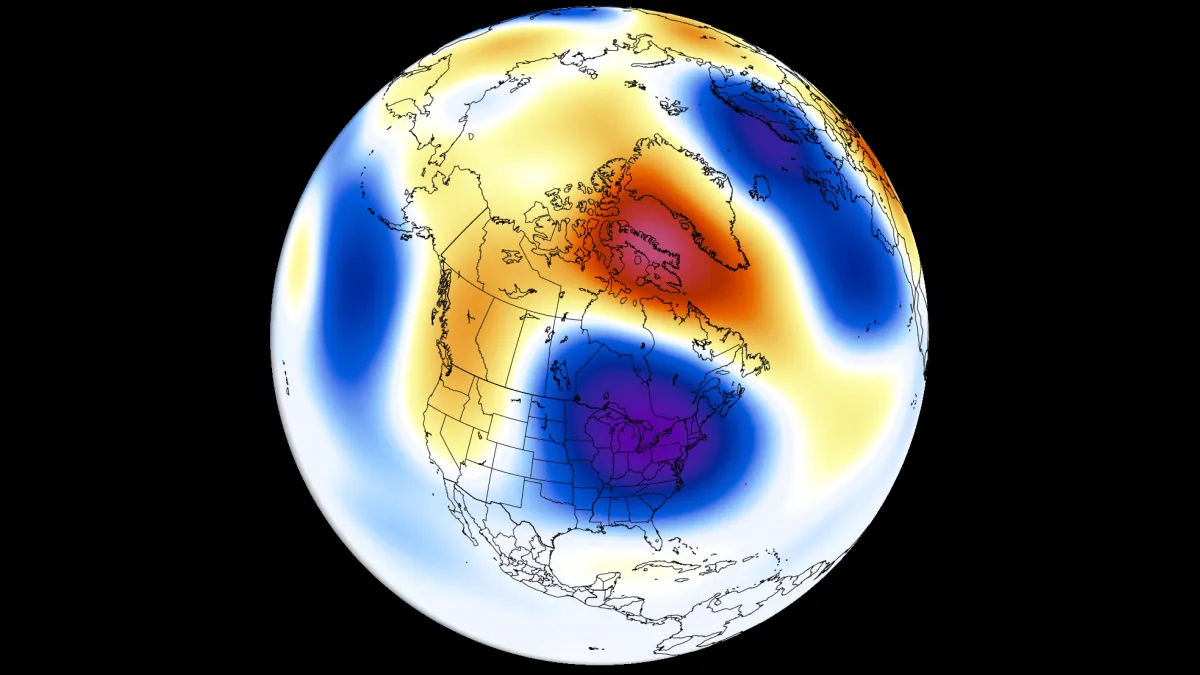
The moon will be approximately 84% full during the peak night of the meteor shower. This brightness will create challenges for stargazers in the Northern Hemisphere, diminishing their chances of spotting shooting stars.
In contrast, Southern Hemisphere observers are expected to have a much more favorable experience. Under optimal conditions, they can anticipate seeing up to fifty meteors each hour. This stark difference highlights how geographical location plays a crucial role in astronomical events.
The Eta Aquarids originate from debris left by Halley’s Comet, which last passed Earth in 1986 and is expected to return in 2061. The best time to view this meteor shower is during the predawn hours, specifically between midnight and 4:25 AM.
Experts suggest that hunting for meteors requires patience and preparation. Teri Gee from the American Meteor Society noted, “For us in the Northern Hemisphere, it’s not going to be as impressive.” This sentiment underscores the impact of light pollution and lunar brightness on stargazing experiences.
To enhance viewing opportunities, astronomers recommend finding locations with minimal light pollution. As Royal Museums Greenwich advises, “Hunting for meteors…is a waiting game,” thus encouraging stargazers to bring comfortable seating and warm clothing.
Nico Adams further elaborated on the experience by stating that observers should look for “bright streaks that appear in the corner of your eye for a fraction of a second.” This highlights the fleeting nature of meteors and the need for focused observation.

As News-UK's Sports News Writer, Oscar Pennington reports on rugby union, golf and boxing for readers across the country. He built a reputation for sharp explainer pieces on regional sport. He holds a degree in Journalism from Nottingham Trent University and completed an NCTJ diploma. Oscar lives in Nottingham, where he follows the pro golf tour and amateur boxing. “Context is what turns a result into a story.”