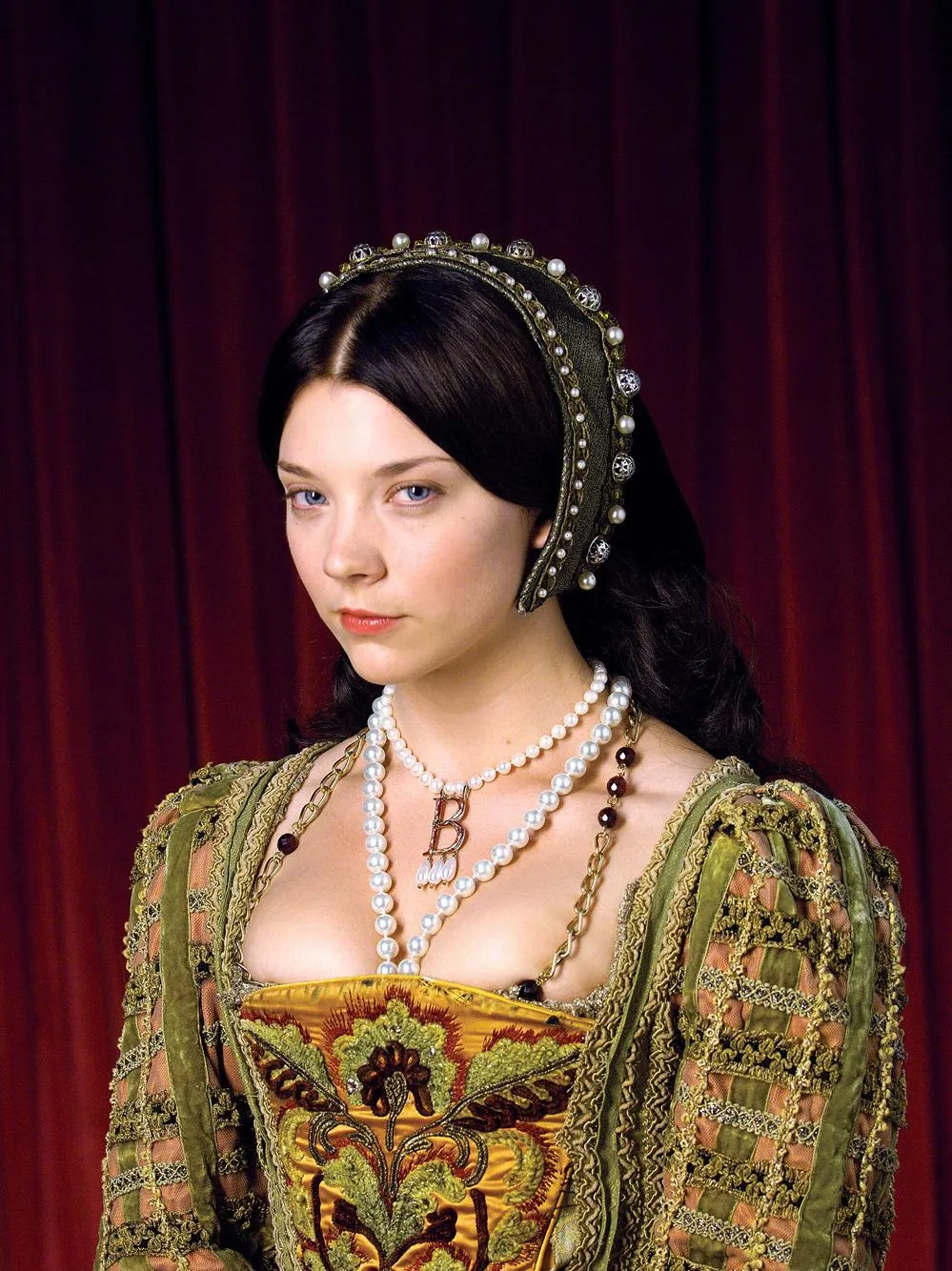

A team of scientists from the University of Bradford claims to have uncovered the real face of Anne Boleyn using facial recognition technology, generating significant debate among historians. This research suggests that a previously-unknown sketch may depict Boleyn, who was married to Henry VIII and executed in 1536.
The researchers employed an algorithm to analyze various Tudor portraits, comparing them to images of Boleyn’s daughter, Elizabeth I, and her cousins. The study indicates that some representations of Boleyn might have been intentionally destroyed, leaving little visual evidence from her lifetime.
Art historian Dr. Bendor Grosvenor has publicly disputed the findings, labeling the research as ‘a load of old phooey.’ He argues that the methodology relies on comparing drawings through a machine-learned algorithm without sufficient historical context.
Despite skepticism, lead author Karen Davies expressed excitement about the results, stating, ‘The result has shocked us completely.’ Her lifelong fascination with Boleyn fuels her commitment to this historical investigation.
The facial recognition algorithm used in this study rates facial similarity through ‘percentage clustering,’ which has raised questions about its accuracy when applied to historical artworks. Professor Hassan Ugail noted that while technology can offer insights, it cannot replace traditional art historical methods.
Additionally, there is uncertainty surrounding whether the identified sketch truly represents Anne Boleyn or her mother, Elizabeth née Howard. This ambiguity adds another layer to an already complex narrative.
The research has undergone peer review before publication, indicating a level of academic rigor. However, the ongoing debate highlights broader questions about how technology intersects with historical research and interpretation.
As discussions continue over the validity of using facial recognition technology in art history, experts remain divided on its implications for understanding figures like Anne Boleyn. The emotional tragedy of her life continues to captivate scholars and enthusiasts alike.

As News-UK's Sports News Writer, Oscar Pennington reports on rugby union, golf and boxing for readers across the country. He built a reputation for sharp explainer pieces on regional sport. He holds a degree in Journalism from Nottingham Trent University and completed an NCTJ diploma. Oscar lives in Nottingham, where he follows the pro golf tour and amateur boxing. “Context is what turns a result into a story.”