
The recent discovery of two 210-million-year-old crocodile cousins in New Mexico offers a rare glimpse into the evolutionary history of these reptiles before the age of dinosaurs. The fossils, identified as Hesperosuchus agilis and Eosphorosuchus lacrimosa, provide crucial insights into the diversification of crocodiles.
The fossils were found in a layer of rock that suggests both creatures may have perished due to a flash flood. This finding is significant as it enhances our understanding of their ecological adaptations during a period when early dinosaurs began to emerge.
On another front, paleontologists emphasize that Eosphorosuchus is one of the few well-preserved early relatives of modern crocodiles. According to researcher Margulis-Ohnuma, its coexistence with Hesperosuchus signifies the ‘dawn’ of functional diversification in this lineage.
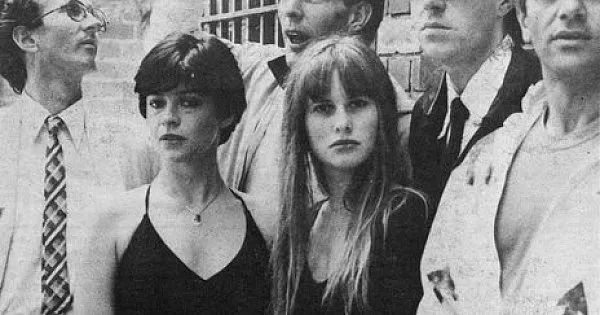
Meanwhile, the Crocodiles, a New Zealand band known for their blend of pop styles and post-punk influences, released their debut album ‘Tears’ in 1980. The album features the track ‘New Wave Goodbye’, which has become emblematic of the New Wave movement.
Separately, the band garnered acclaim shortly after releasing their second album ‘Looking at Ourselves’, winning awards for Best Group and Most Promising Group at local music awards.
The Crocodiles have continued to influence New Zealand music, with their debut album being reissued on limited edition vinyl. Their legacy persists alongside scientific advancements in paleontology.
As researchers continue to study these ancient fossils, they hope to uncover more about the environmental conditions that led to crocodilian diversification. The findings will likely add depth to our understanding of prehistoric ecosystems.

Adam Rutherford is a Senior Football Correspondent at News-UK. He spent his early career filing match reports across the North West. He focuses on the Premier League, the EFL and the England national side and is known for clear, deadline-driven reporting. He holds a degree in Sports Journalism from Manchester Metropolitan University and completed an NCTJ diploma. Now based in Manchester, he coaches a youth team and watches grassroots football. “Every transfer window hides a dozen real stories.”