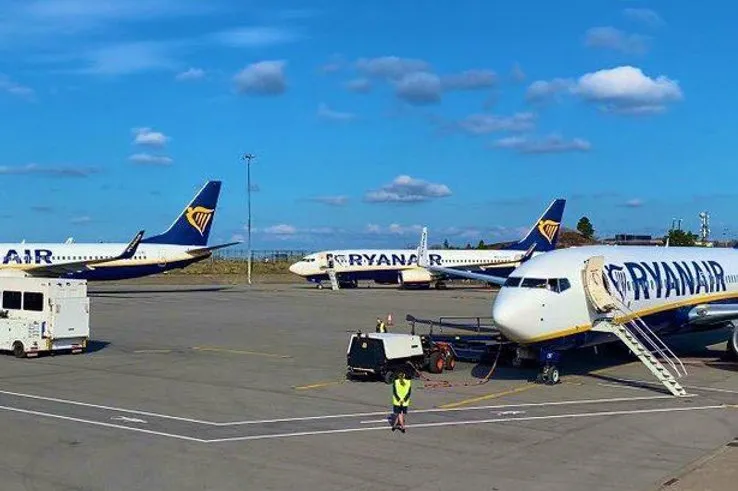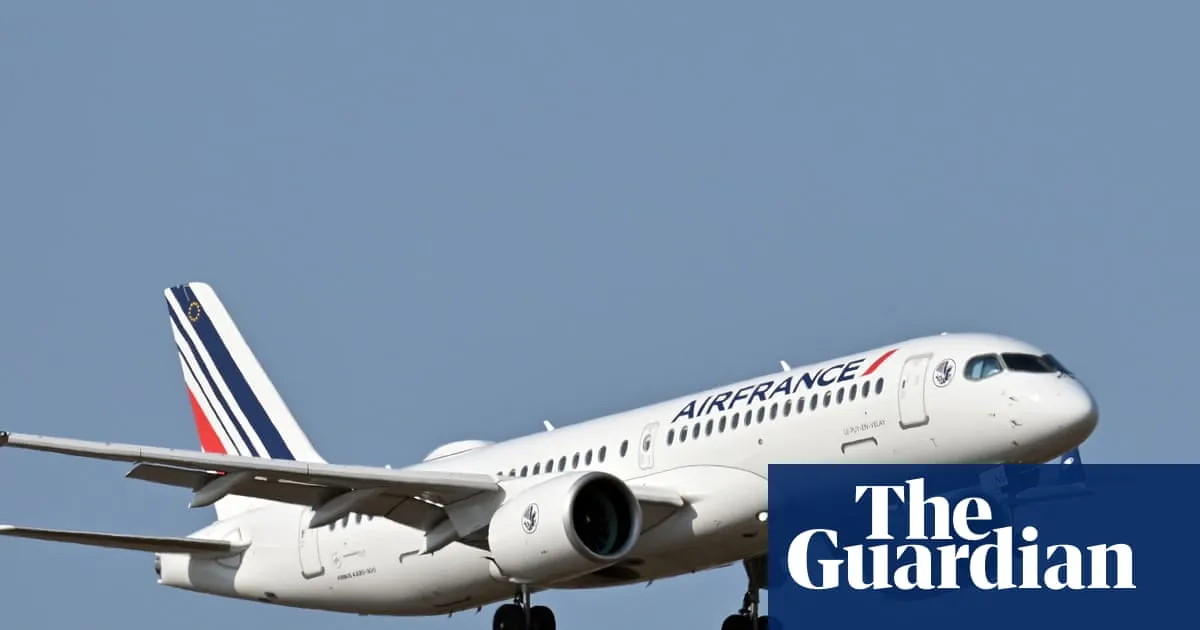

“Fuel price increases were expected to weigh on the coming quarters,” said Ben Smith, CEO of Air France-KLM, as the airline grapples with a sharp rise in fuel costs driven by ongoing geopolitical tensions, particularly the Iran war. The company anticipates its fuel bill will increase by $2.4 billion this year, pushing its total fuel expenditure for 2026 to $9.3 billion.
In response to these soaring costs, Air France-KLM has revised its capacity growth forecast downwards from 3% to 5% to a more conservative range of 2% to 4%. This adjustment reflects the airline’s strategy to mitigate financial pressures while maintaining operational viability.
The impact of rising fuel prices is evident in Air France-KLM’s financial performance. The airline reported a first-quarter operating loss of €27 million, which, while still a loss, was significantly better than the €389 million projected by analysts. This outcome suggests that the company’s management is effectively navigating through challenging circumstances.
Meanwhile, UK jet engine manufacturer Rolls-Royce has managed to maintain its profit guidance despite the escalating fuel prices affecting the aviation sector. This stability indicates that not all players in the industry are equally impacted by the current fuel crisis.
On another front, Mazda is taking innovative steps in sustainability with the launch of its all-new CX-5 model. The vehicle will be powered by a 100% second-generation biofuel, which contains no fossil fuel components. Jeremy Thomson from Mazda emphasized that this initiative illustrates how efficient internal combustion engines can combine with advanced biofuels to significantly reduce CO2 emissions.
The second-generation biofuel used for the Mazda event is derived from biomass such as food and agricultural waste, delivering a greenhouse gas saving of over 80% compared to traditional fossil fuels. This move aligns with broader industry trends towards reducing greenhouse gas emissions and enhancing sustainability in automotive technologies.
As airlines like Air France-KLM adjust their operations amid rising fuel costs, they are also exploring options such as fuel hedging strategies to manage future price volatility. The evolving landscape underscores the importance of adaptability in an industry heavily influenced by external factors.
The next steps for Air France-KLM involve closely monitoring fuel prices and operational adjustments while aiming for sustainable practices in their operations. Tufan Erginbilgiç, CEO of Rolls-Royce, expressed confidence that his company expects to fully mitigate the current financial impact of disruptions within their business.

Freya Donnelly is the Sports Reporter at News-UK, covering tennis, cricket and athletics with seven years of reporting experience. She reported on Team GB through an Olympic cycle. She holds a degree in Sport and Media from the University of Brighton and completed an NCTJ diploma. Based in Brighton, she plays club cricket in the summer. “Listening is the most underrated skill in sports reporting.”