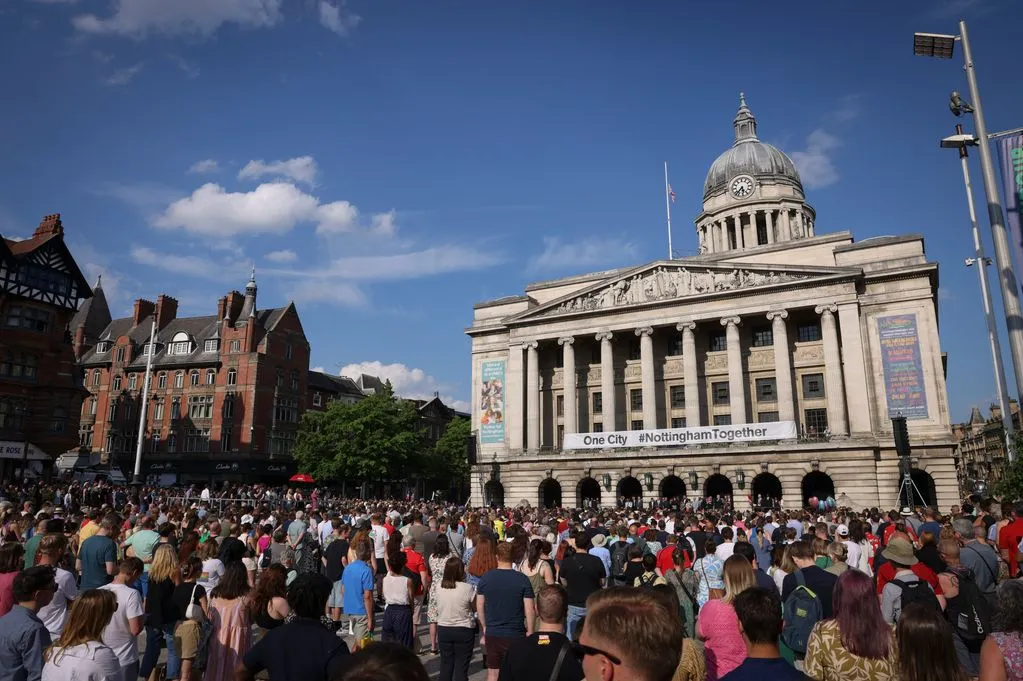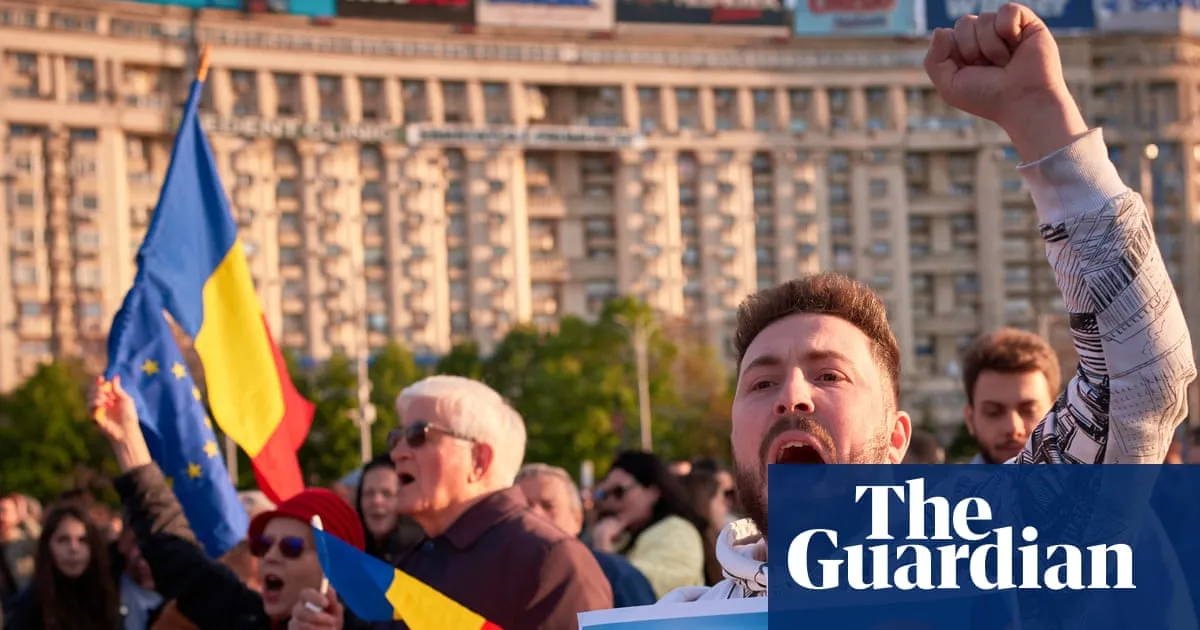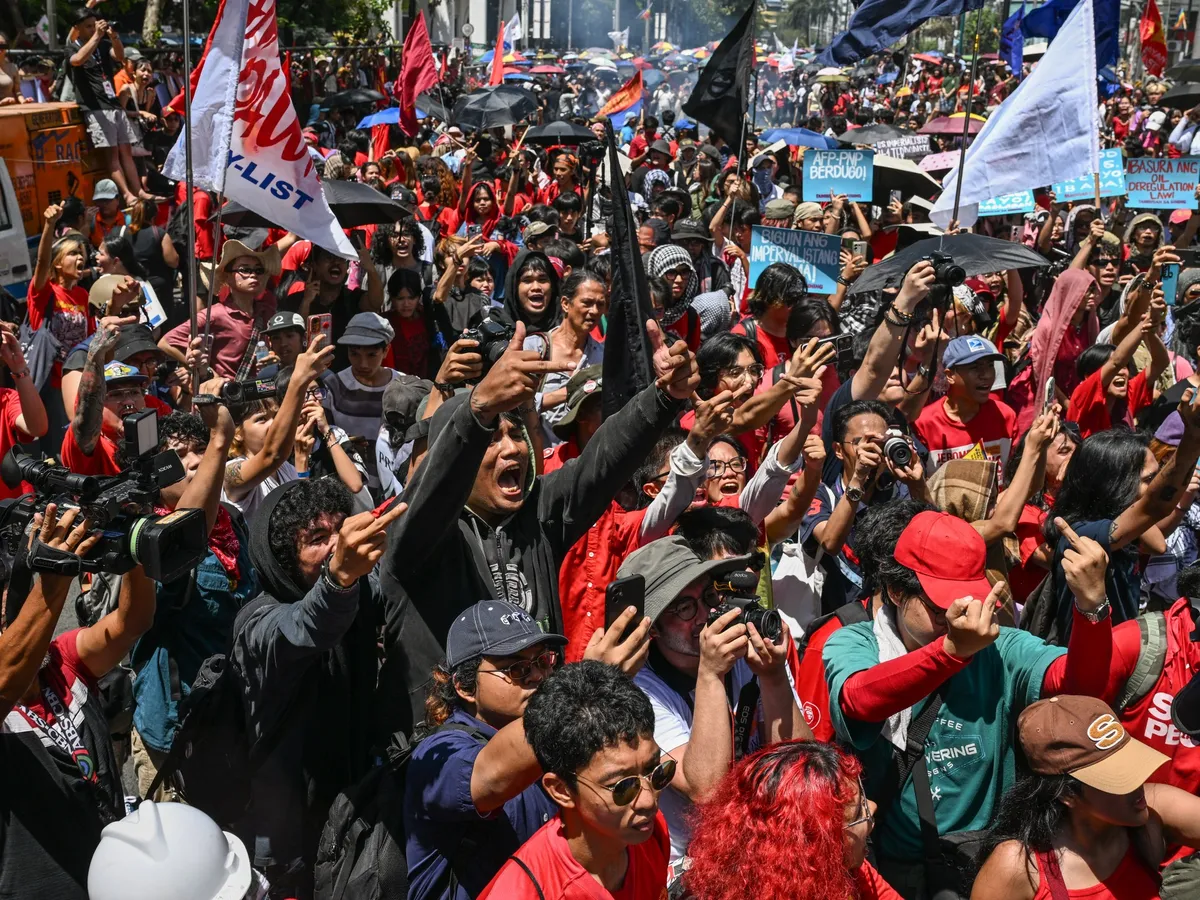

Labour Day rallies are being held globally on May 1, 2026, as workers gather to protest against rising energy prices while calling for solidarity amidst ongoing economic concerns. Trade unions are at the forefront, advocating for the protection of workers’ rights during this challenging time.
In Argentina, thousands of workers protested against President Javier Milei’s overhaul of labour protections, which many believe threatens their rights. This comes as trade union organisations represented by the European Trade Union Confederation express that over 93 unions are demanding action against soaring costs.
Meanwhile, in Gaza, the situation is dire as Palestinian workers have cancelled their May Day events due to an escalating economic crisis exacerbated by ongoing conflict. Reports indicate that approximately 550,000 workers across Gaza and the West Bank currently have no income.
On another front, the historical significance of International Workers’ Day cannot be overlooked. Established in the late 19th century, this day commemorates the struggles of workers worldwide. The Haymarket Affair in 1886 marked a pivotal moment in this movement, leading to the formal recognition of May 1 as a day dedicated to workers’ rights.
Across different regions, voices from trade unions resonate with urgency. Josua Mata from the Philippines stated, “Every Filipino worker now is aware that the situation here is deeply connected to the global crisis.” Renato Reyes echoed similar sentiments, emphasizing that “there will be a louder call for higher wages and economic relief because of the unprecedented spikes in fuel prices.”
The European Trade Union Confederation also voiced strong opposition to geopolitical tensions affecting working people: “Working people refuse to pay the price for Donald Trump’s war in the Middle East.” Such statements underline a growing sentiment among workers globally that they should not bear the brunt of rising costs driven by external conflicts.
The Durham Miners’ Gala in North East England continues to celebrate workers’ struggles, showcasing local resilience amid broader economic challenges. As Labour Day rallies unfold worldwide, they serve as a reminder of both historical struggles and current realities faced by workers everywhere.

Adam Rutherford is a Senior Football Correspondent at News-UK. He spent his early career filing match reports across the North West. He focuses on the Premier League, the EFL and the England national side and is known for clear, deadline-driven reporting. He holds a degree in Sports Journalism from Manchester Metropolitan University and completed an NCTJ diploma. Now based in Manchester, he coaches a youth team and watches grassroots football. “Every transfer window hides a dozen real stories.”