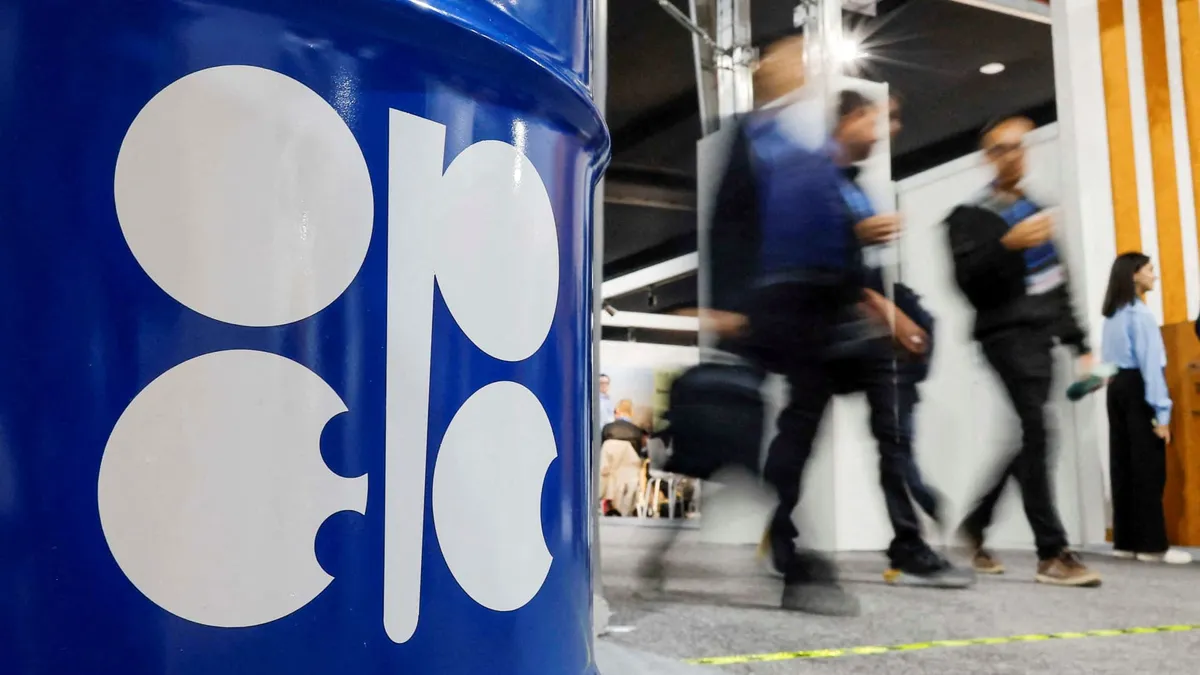

The United Arab Emirates has quit the OPEC oil cartel, marking a significant shift in the energy market. This decision will take effect on April 28, 2026, amid rising global oil prices and geopolitical tensions.
The UAE joined OPEC in 1967 and remained a member following its formation in 1971. The departure underscores growing frustrations within the UAE regarding the cartel’s handling of regional threats, particularly from Iran.
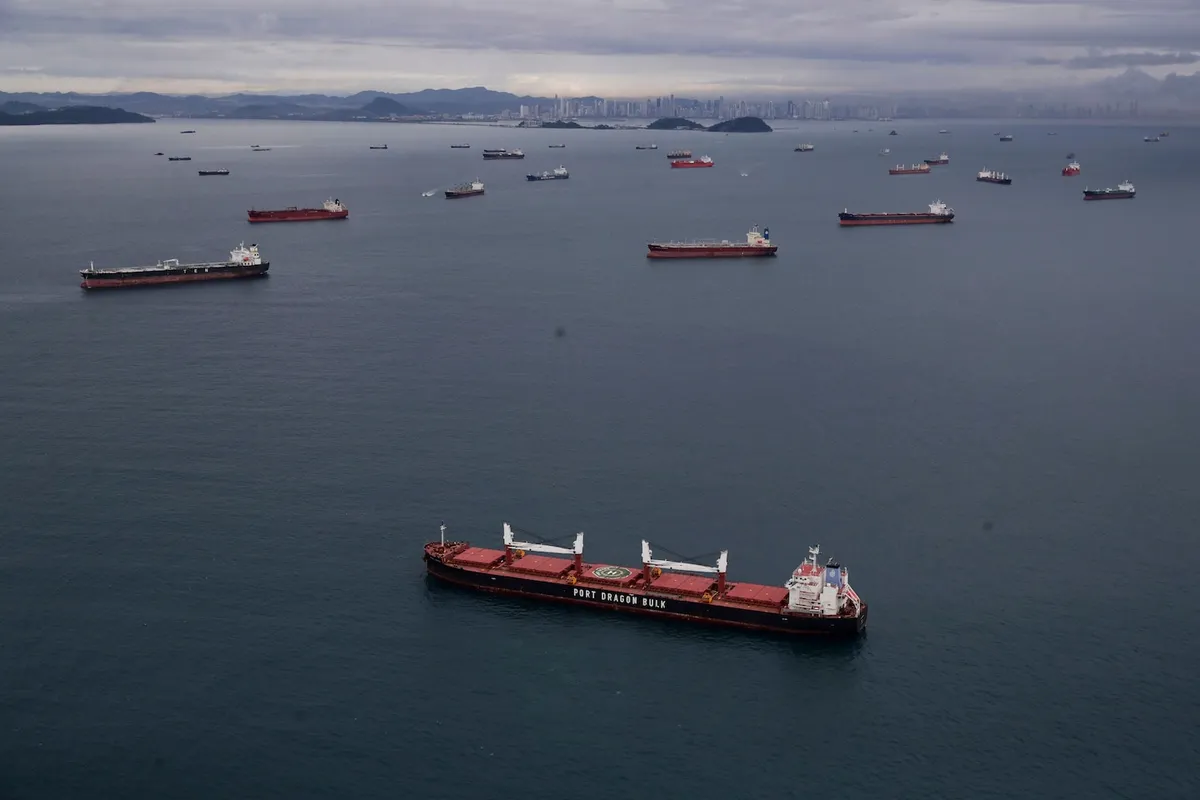
In recent months, tensions have escalated due to Iranian threats affecting crude oil exports through the Strait of Hormuz. Anwar Gargash, a senior Emirati official, criticized fellow Arab states for their inadequate support against these threats. He stated, “The Gulf Cooperation Council countries supported each other logistically, but politically and militarily, I think their position has been the weakest historically.”
Donald Trump has seized upon this development as a victory, having previously accused OPEC of inflating oil prices. The Brent crude oil price has surged to as high as $119.50 per barrel since the outbreak of the Iran war, reflecting heightened concerns over supply disruptions.
Key statistics:
- Brent crude oil price reached $119.50 per barrel.
- The UAE’s exit represents a critical shift for OPEC.
- Approximately one-fifth of the world’s crude oil and liquefied natural gas passes through the Strait of Hormuz.
The current situation raises questions about how OPEC will respond to this loss of membership and whether it can maintain its influence in an increasingly volatile energy market. As global demand fluctuates and geopolitical tensions rise, the dynamics within OPEC+ may face further challenges.

Adam Rutherford is a Senior Football Correspondent at News-UK. He spent his early career filing match reports across the North West. He focuses on the Premier League, the EFL and the England national side and is known for clear, deadline-driven reporting. He holds a degree in Sports Journalism from Manchester Metropolitan University and completed an NCTJ diploma. Now based in Manchester, he coaches a youth team and watches grassroots football. “Every transfer window hides a dozen real stories.”