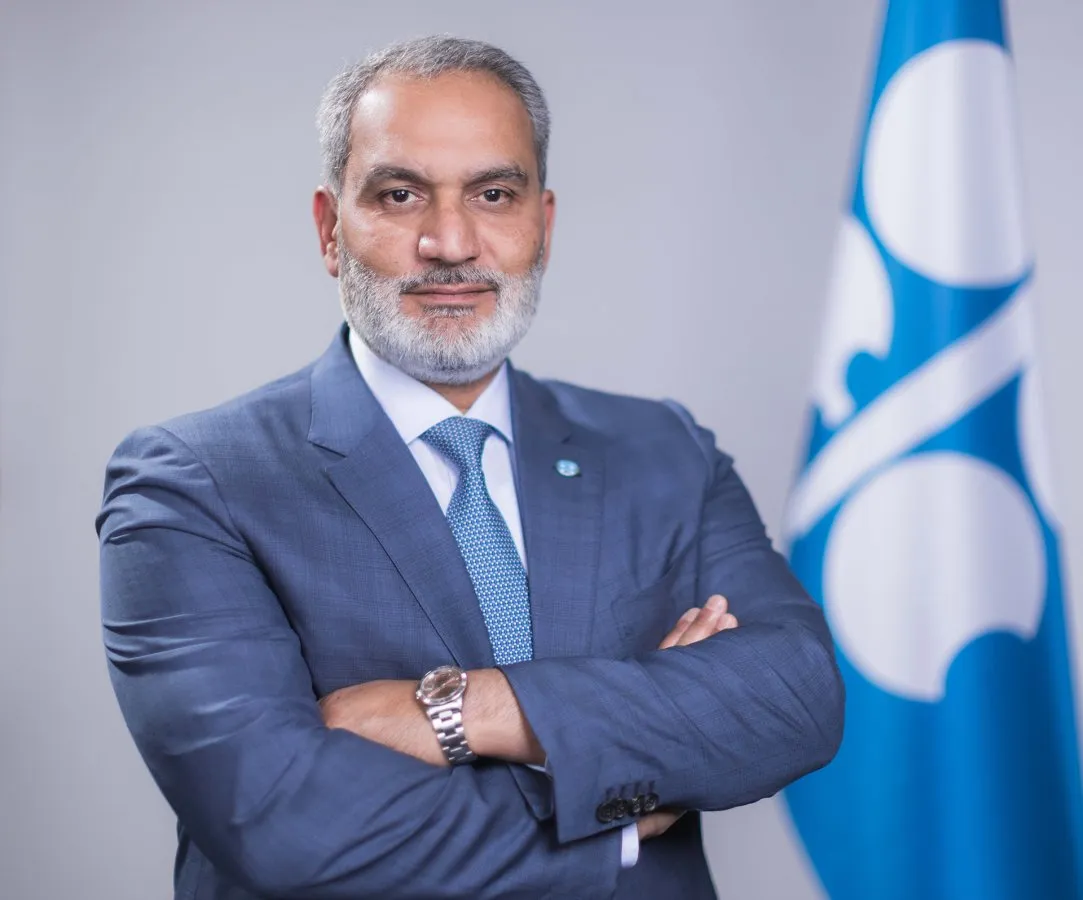

The UAE’s decision to exit OPEC on May 1, 2026, represents a significant political and economic shift that could redefine its role in the global oil market. This move comes amid frustrations over OPEC production quotas and the ongoing disruptions caused by the Iran war.
Before the Iran war, the UAE was producing approximately 3.4 million barrels per day (b/d) of crude oil, accounting for around 12% of total OPEC output. However, production capacity has since increased to 4.85 million b/d, with plans to reach 5 million b/d by 2027.
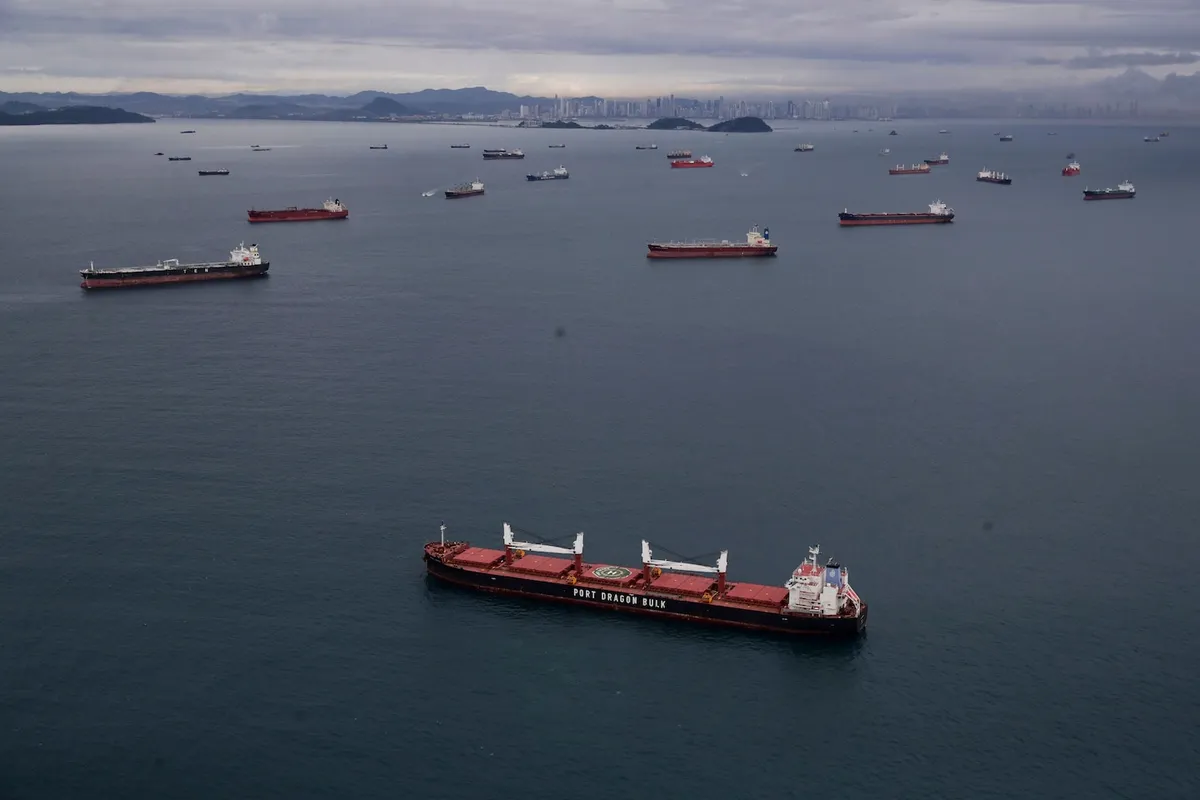
The impact of the Iran war has been profound, leading to a 44% slump in UAE production due to the closure of the Strait of Hormuz. In March alone, OPEC saw a staggering 7.88 million barrels a day wiped out due to this conflict.
As the UAE prepares for its departure, analysts suggest that this could further fracture relations among remaining OPEC members. The UAE’s exit is perceived as a symbolic blow to OPEC’s influence in the oil market.
This decision has been discussed behind closed doors for several years, indicating a long-standing frustration with OPEC’s production quotas that have limited the UAE’s output potential. Will Wechsler noted that it is easy to understand why UAE policymakers are no longer interested in being part of this organization.
On another front, experts believe that the UAE’s exit may strengthen its relationship with the US, positioning it as a balancing producer contributing to market stability. Dr. Ebtesam Al-Ketbi remarked that the UAE is redefining its role from being part of a bloc to acting independently.
The timing and unilateral nature of this decision reflect deeper intra-Gulf disputes regarding responses to regional tensions, particularly relating to Iran. As Landon Derentz pointed out, this marks a significant political shift for OPEC and its perceived influence.
The current landscape indicates that as the UAE moves forward with its plans post-OPEC, it will likely seek new partnerships and strategies to enhance its oil market influence while navigating complex geopolitical dynamics.

Freya Donnelly is the Sports Reporter at News-UK, covering tennis, cricket and athletics with seven years of reporting experience. She reported on Team GB through an Olympic cycle. She holds a degree in Sport and Media from the University of Brighton and completed an NCTJ diploma. Based in Brighton, she plays club cricket in the summer. “Listening is the most underrated skill in sports reporting.”