
Post-Match Celebrations and Political Statements
Following their World Cup semi-final victory against England, Argentina players displayed a banner referencing the Falkland Islands. The banner, which read “Las Malvinas son Argentinas” (The Falklands are Argentine), was shown after Argentina secured a dramatic late comeback win in Atlanta. This action could lead to a fine from Fifa, the governing body for world football.
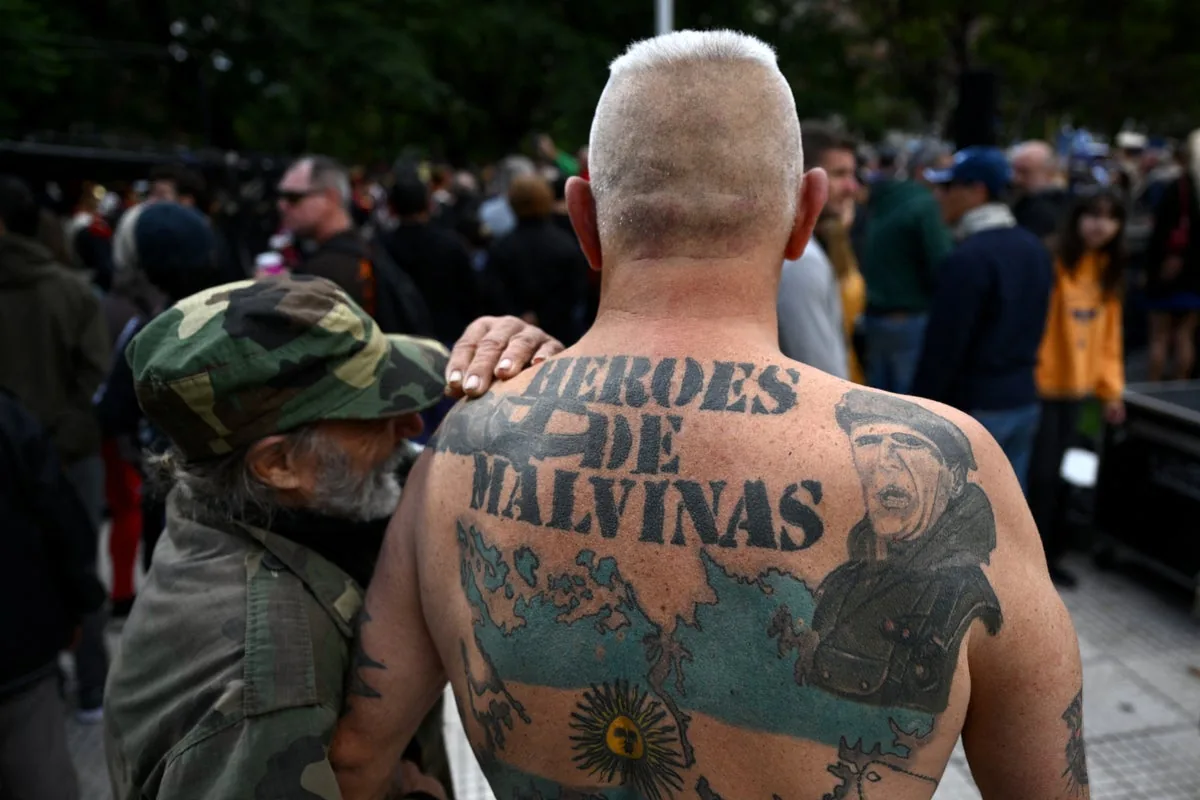
The match saw Argentina score twice to defeat England 2-1, booking their place in the final against Spain. The display of the banner brought renewed attention to the long-standing sovereignty dispute between Britain and Argentina over the Falkland Islands, a British overseas territory located in the south-west Atlantic Ocean. The two nations engaged in a 74-day conflict over the islands from April to June 1982, which resulted in the deaths of 655 Argentine and 255 British servicemen, along with three island residents.
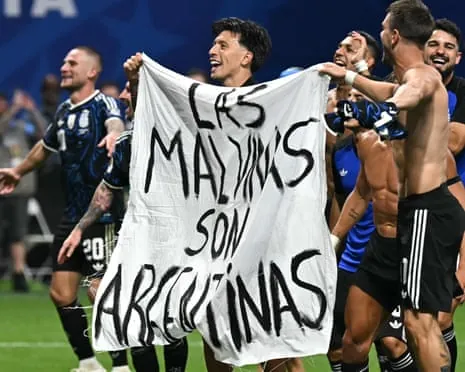
This is not the first instance of Argentina facing sanctions for similar actions. In 2014, the Argentine Football Association was fined £20,000 by Fifa after players displayed a banner with the same message before a friendly match against Slovenia. Fifa’s rules prohibit political actions and team misconduct, and their stadium code of conduct bans “banners, flags, flyers, apparel and other paraphernalia that are of a political, offensive, and/or discriminatory nature” inside stadiums.
Pre-Match Tensions and Official Reactions
The semi-final match itself was held under heightened security measures due to the historical tensions between the two nations. Prior to the game, Argentina‘s vice-president, Victoria Villarruel, made comments on social media platform X, referring to England as “usurping pirates” and “invaders.” She stated that the match was “not just another match,” linking it to the Falklands, and to Argentina football legends Diego Maradona and Lionel Messi.
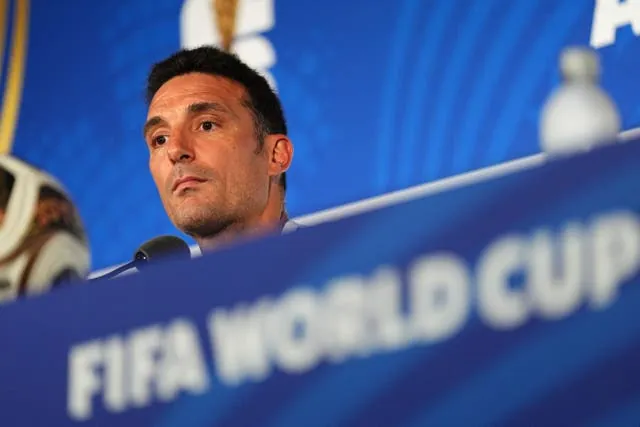
However, Argentina manager Lionel Scaloni had attempted to distance the team from political discussions before the semi-final. He stated that he would not “mix” football and politics, acknowledging the 1982 conflict as a “very sad period in our history.” Scaloni emphasised that the event was a football match and that the two should not be confused.
Following the victory, Villarruel posted on X again, stating, “The Falklands are Argentine,” and adding that despite bans on bringing such messages into the stadium, the sentiment is carried “in our blood and our hearts.” This sentiment was also echoed in chants by Argentina players after their 3-2 win over Egypt in the last 16, which referenced the Falklands, Maradona, and Messi.
Security Measures and Player Perspectives
Security arrangements for the semi-final were extensive, with Argentina‘s security minister, Alejandra Monteoliva, confirming that 1,600 officers would be deployed to ensure a peaceful celebration. Discussions involving the FBI, Fifa, and local police addressed the potential for fan escalations and the historical animosity between the nations, with a focus on prohibiting provocative messages.
Argentina midfielder Rodrigo De Paul also commented on the situation, acknowledging that while the team sings songs about “Malvinas heroes” to remember them, the issue of the Falklands should be discussed elsewhere. He reiterated the desire to win the match to reach the final.
The match itself concluded with late goals from Enzo Fernandez and Lautaro Martinez securing Argentina‘s win. They are now set to face Spain in the final in New Jersey on Sunday.
Read Also
Source: bbc.co.uk

Freya Donnelly is the Sports Reporter at News-UK, covering tennis, cricket and athletics with seven years of reporting experience. She reported on Team GB through an Olympic cycle. She holds a degree in Sport and Media from the University of Brighton and completed an NCTJ diploma. Based in Brighton, she plays club cricket in the summer. “Listening is the most underrated skill in sports reporting.”