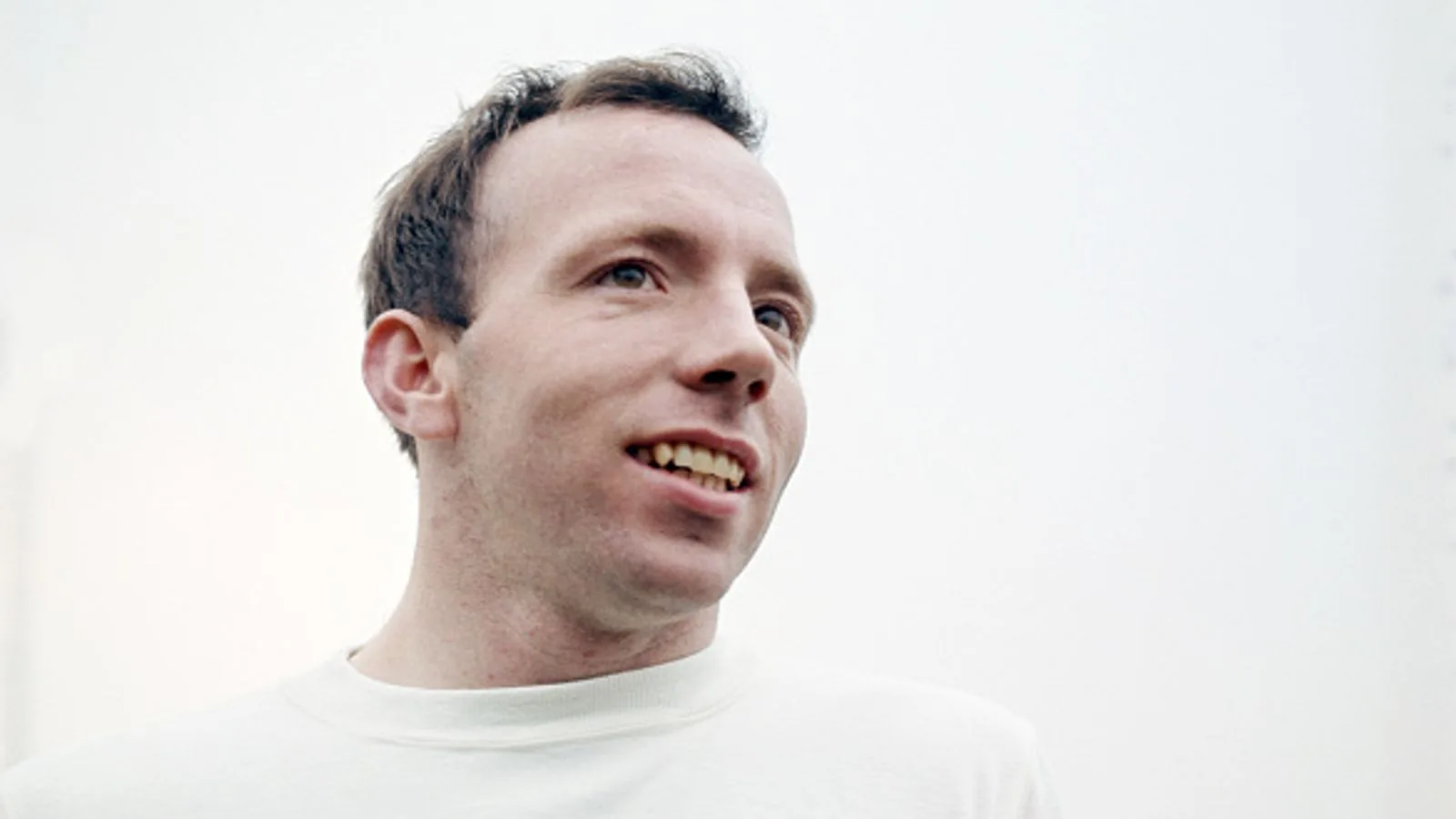

Coroner’s Ruling on Stiles’ Death
A coroner has determined that England World Cup winner Nobby Stiles died from a brain condition directly caused by repeatedly heading a football throughout his career. The former Manchester United midfielder, who was part of the 1966 World Cup winning squad, passed away in 2020 with severe dementia. An inquest heard that Stiles had headed a football approximately 140,000 times during his playing days.
Dr Daniel Du Plessis, a neuropathology expert, testified that he was convinced the extensive heading of the football led to Stiles’ chronic traumatic encephalopathy (CTE). Senior Coroner Alison Mutch recorded the cause of death as Alzheimer’s disease, with CTE, another neurodegenerative condition, and cerebrovascular disease as contributing factors.
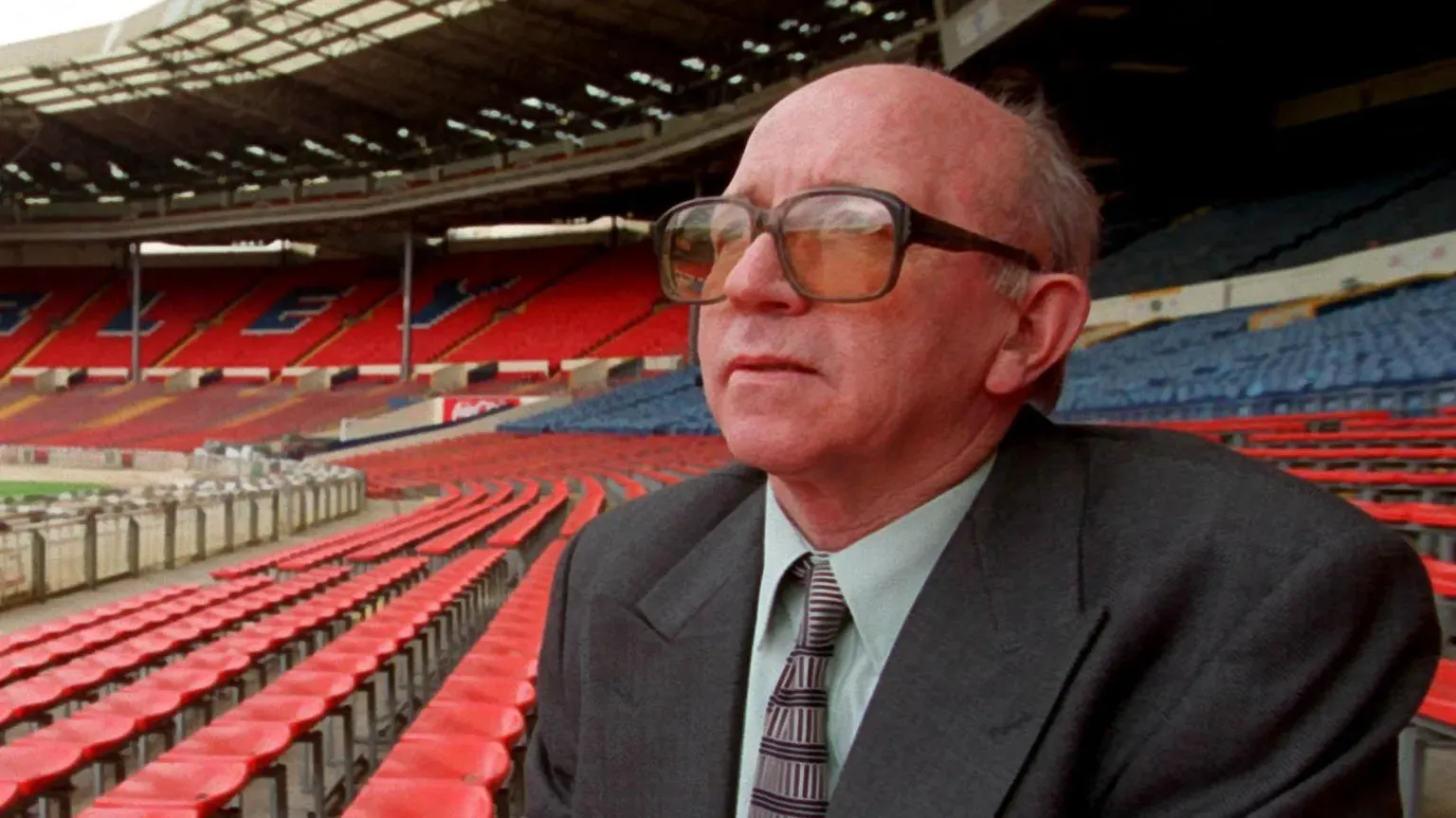
Stiles, born in Collyhurst, Manchester in 1942, was known as a tough-tackling defensive midfielder. He was capped by England and played for Manchester United. He resided in Stretford, Greater Manchester, before his death in a care home on October 30, 2020, after his dementia had left him bed-bound.
Family’s Campaign and Concerns
Stiles’ family has actively campaigned for football authorities to provide more assistance to former players suffering from injuries they believe were sustained during their careers. His son, John Stiles, stated that the coroner’s ruling was not a surprise, but expressed concern that the football industry “refuses to provide help” and warned that his father’s case might be the first of many similar inquests.
During his testimony, John Stiles highlighted the prevalence of heading the ball in training, estimating that his father headed the ball around 40 times a day, five times a week, over each 10-month season. He noted that his father was a “very humble” individual who achieved significant success in professional football but kept his professional life separate from his family life.
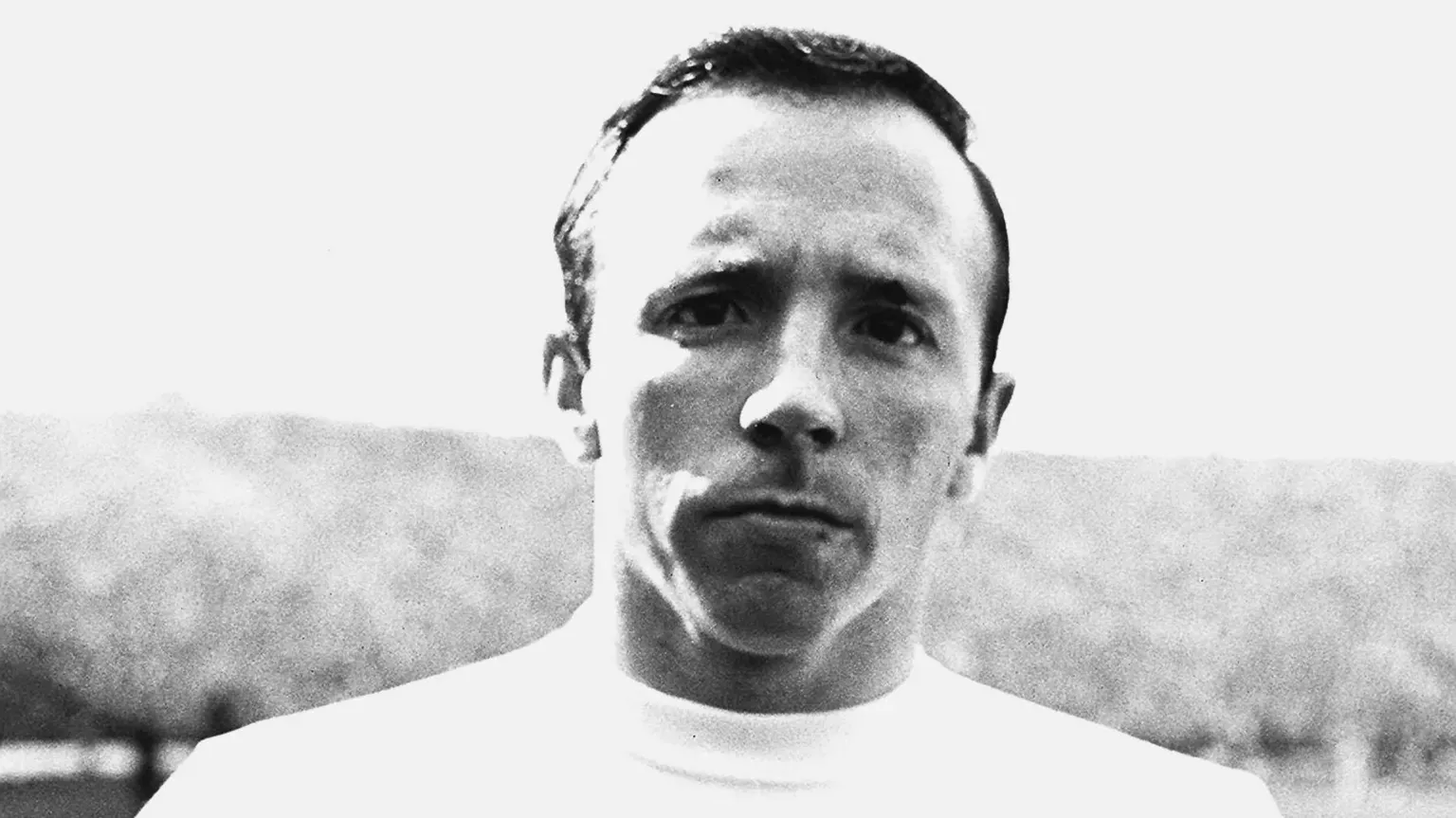
The court also heard that at Old Trafford, players were encouraged to head a ball that hung from the stand. John Stiles clarified that while this was not forced upon players, they were unaware of the potential long-term consequences. The family began to notice Stiles forgetting things and repeating questions in his late 50s and early 60s, leading to a “terrible impending feeling of doom.” By 2010, his condition had deteriorated, prompting him to sell his medals.
Broader Implications and Industry Response
The inquest was informed that expert analysis of Stiles’ brain revealed his severe dementia resulted from Alzheimer’s disease and CTE. Dr Du Plessis confirmed that CTE is linked to head injuries and reiterated his conviction that Stiles’ repeated heading of the football caused his CTE. He emphasised the importance of using such cases to highlight the impact of repeated head injuries on the brain.
The coroner also noted that a condition called “stage three limbic predominant age related TDP-43” and cerebrovascular disease contributed to Stiles’ death, alongside Alzheimer’s disease and “high stage” CTE. John Stiles, who heads the Football Families for Justice (FFJ) group, criticised the industry and government for failing to support vulnerable former players, particularly as current football heroes are celebrated.
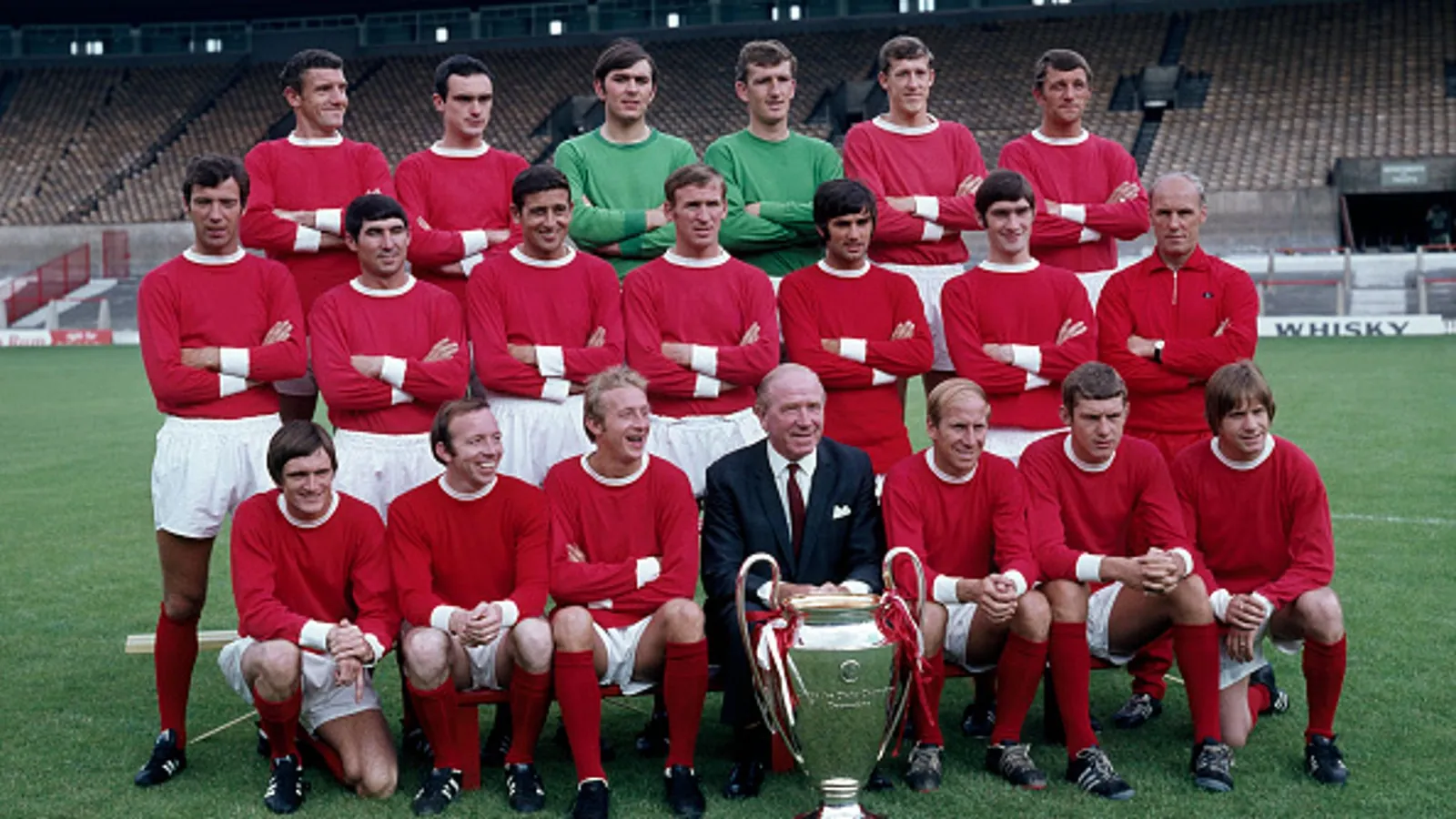
The Football Association (FA), in collaboration with the Professional Footballers’ Association (PFA), co-funded a 2019 study that indicated footballers are three-and-a-half times more likely to die from neurodegenerative disease compared to the general population of the same age. The FA is in the process of phasing out all heading in youth football for players up to under-11s by 2026. The PFA has also established services to support players with dementia and other neurodegenerative diseases, including financial aid through The Football Brain Health Fund and support from The PFA Dedicated Brain Health Team.
Read Also
Source: bbc.com

Freya Donnelly is the Sports Reporter at News-UK, covering tennis, cricket and athletics with seven years of reporting experience. She reported on Team GB through an Olympic cycle. She holds a degree in Sport and Media from the University of Brighton and completed an NCTJ diploma. Based in Brighton, she plays club cricket in the summer. “Listening is the most underrated skill in sports reporting.”