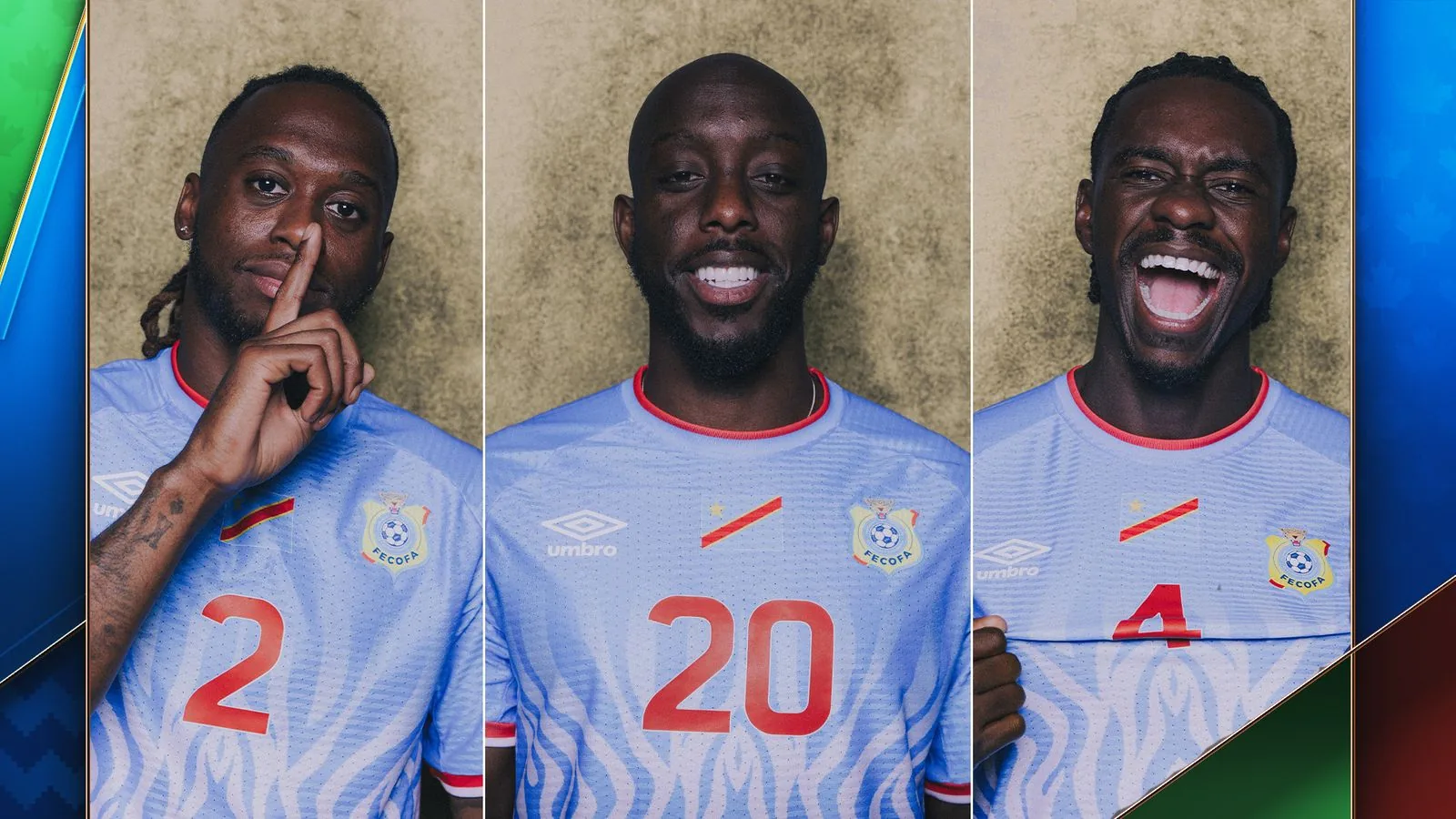

The Democratic Republic of Congo (DR Congo) is set to face England in the last 32 of the World Cup on Wednesday. This match marks the nation’s first appearance in the knockout stages of the tournament, 52 years after their initial qualification as Zaire in 1974. The fixture in Atlanta is being viewed as an opportunity for the country to regain unity and dignity, following decades of conflict and corruption.
The 1974 World Cup debut for Zaire, then the reigning continental champions, saw three defeats, 14 goals conceded, and no goals scored. A notable moment occurred in their final group game against Brazil when defender Mwepu Ilunga kicked the ball away during a free-kick, an act he later revealed was a protest over unpaid allowances. This incident, alongside the ‘Rumble in the Jungle’ boxing match between Muhammad Ali and George Foreman hosted in Kinshasa the same year, placed the country on the global stage.
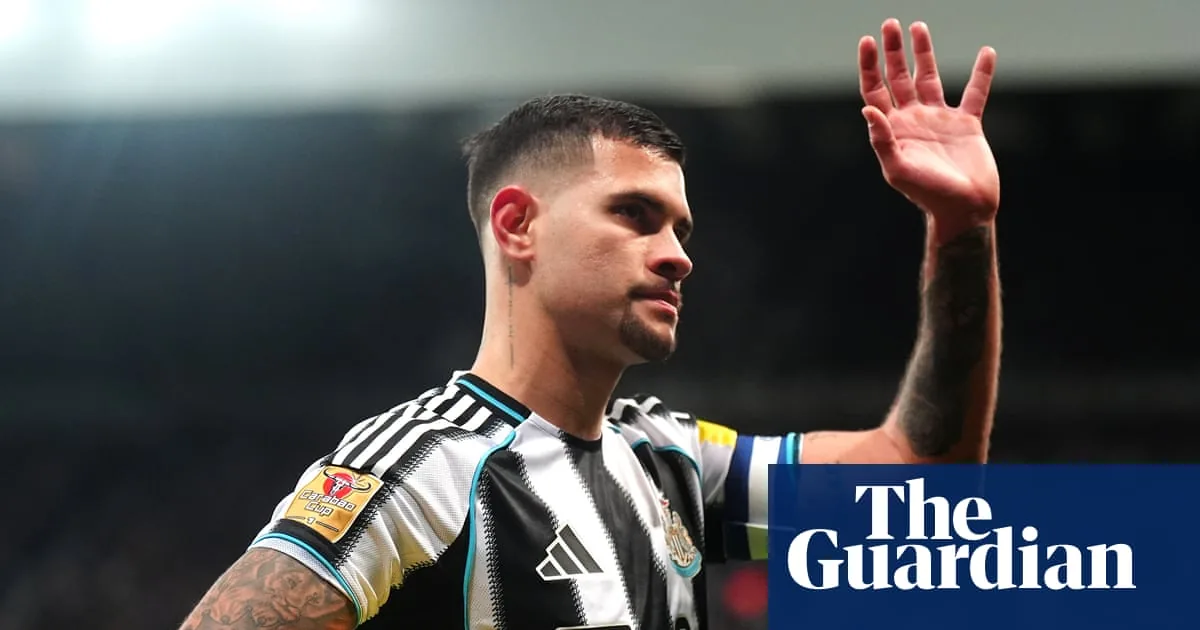
Noni Madueke of England has cautioned against underestimating DR Congo, highlighting that the team includes several Premier League players. These include Newcastle‘s Yoane Wissa and Noah Sidiki of Sunderland. Madueke anticipates a challenging game, stressing that at this stage of the World Cup, no opponent should be taken lightly.
DR Congo’s Tactical Approach
DR Congo’s coach, Sebastien Desabre, has focused on a defensive strategy, with the team designed to avoid losing and to bide their time before striking. Under Desabre’s leadership, DR Congo has not been defeated by more than one goal. The team often finds success in low-scoring matches, scoring one goal or fewer in a significant majority of their games.
In their opening two matches against Portugal and Colombia, Desabre deployed a formation featuring a back five, three midfielders, and a front two. Wing-backs Aaron Wan-Bissaka and Arthur Masuaku maintained disciplined positions, with creative responsibilities primarily falling to the midfield. This approach involves surrendering possession and inviting opponents onto their defensive block, then capitalising on opportunities.
England’s Noni Madueke acknowledged that many teams struggle to break down a low block, a tactic DR Congo is expected to employ. He noted that top nations have faced similar difficulties. Madueke stated that England will aim to implement their patterns more effectively than in their previous game against Ghana, which is anticipated to be similar to the upcoming match.
Key Players and Connections
Despite their conservative style, DR Congo possesses an attacking threat. Yoane Wissa has scored three goals in the tournament so far, matching the tally of Harry Kane. Wissa found the net in the opening game and then scored twice against Uzbekistan, contributing significantly to the team’s progress.
Desabre has also utilised Real Betis striker Cedric Bakambu, and introduced Fiston Mayele as a replacement against Uzbekistan. Mayele, who was named the men’s Interclub African Player of the Year earlier this season, provided composure in front of goal. Desabre’s adaptability was also evident in a tactical switch to a flat back four and the introduction of wingers Nathan Mbuku and Brian Cipenga, which proved effective.
There are strong connections between DR Congo and England through players who have developed their careers in England. Axel Tuanzebe, born in Bunia, Congo, moved to Rochdale at a young age and played for Manchester United, also representing England at youth level. Aaron Wan-Bissaka, born and raised in south London, was included in an England squad. Additionally, Ezri Konsa in the England squad is eligible to represent DR Congo, highlighting the intertwined footballing histories of the two nations.
The current squad’s achievements, including a first World Cup goal and point against Portugal and a first victory against Uzbekistan to reach the knockout stage, mark a significant period for DR Congo football. The team’s qualification for the knockout stage comes 52 years after Zaire’s participation in the 1974 World Cup.
Read Also
Source: bbc.co.uk

As News-UK's Sports News Writer, Oscar Pennington reports on rugby union, golf and boxing for readers across the country. He built a reputation for sharp explainer pieces on regional sport. He holds a degree in Journalism from Nottingham Trent University and completed an NCTJ diploma. Oscar lives in Nottingham, where he follows the pro golf tour and amateur boxing. “Context is what turns a result into a story.”