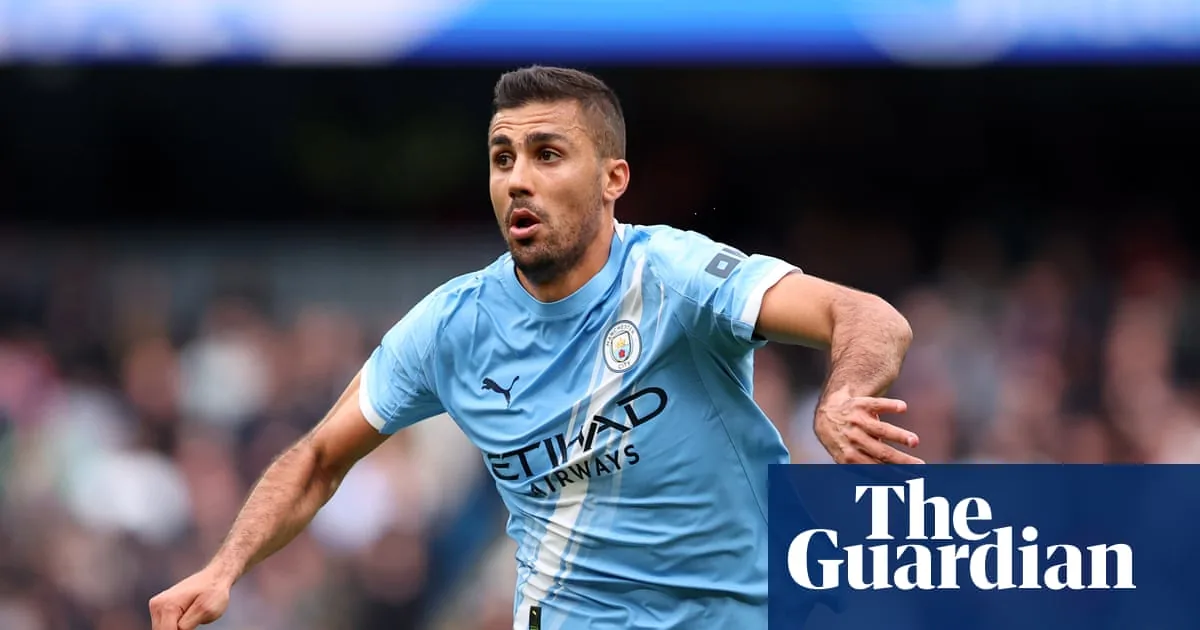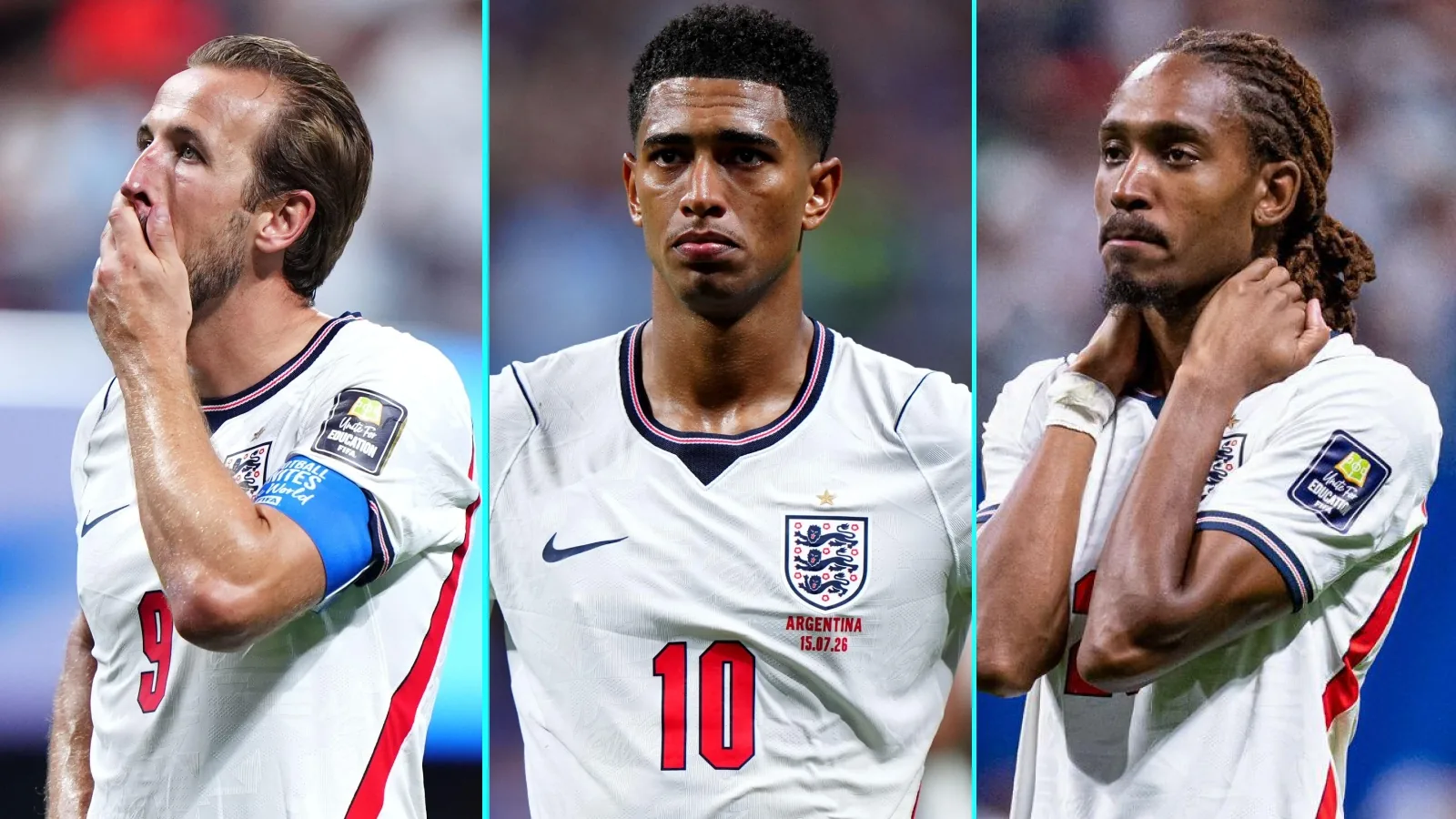

England concluded their World Cup campaign with a third-place finish, earning a bronze medal. This achievement marks the team’s best performance in the competition since the 1966 World Cup. The bronze medal was secured following a 6-4 victory over France in the third-place play-off match.
Despite the positive end, the team’s journey saw them exit the semi-finals after conceding two late goals to Argentina, having led with five minutes remaining in normal time. Head coach Thomas Tuchel and assistant Anthony Barry oversaw the squad’s performance throughout the tournament.
Key Player Performances
Jude Bellingham emerged as a standout player for England, scoring seven goals, which is the highest by an England player in any major tournament. His contributions extended beyond goals, as he consistently drove the team forward.
Declan Rice, despite not being at full fitness, delivered strong performances, particularly in tackles, ball recoveries, and forward runs. He played a crucial role in the opening goals against Mexico and Argentina, and his absence due to illness against Norway highlighted his importance to the midfield.
Bukayo Saka, while experiencing some fitness challenges, showed flashes of brilliance. He provided three assists early in the tournament and delivered an outstanding individual performance with a hat-trick against France in the third-place play-off. Some reports suggest he should have started against Argentina.
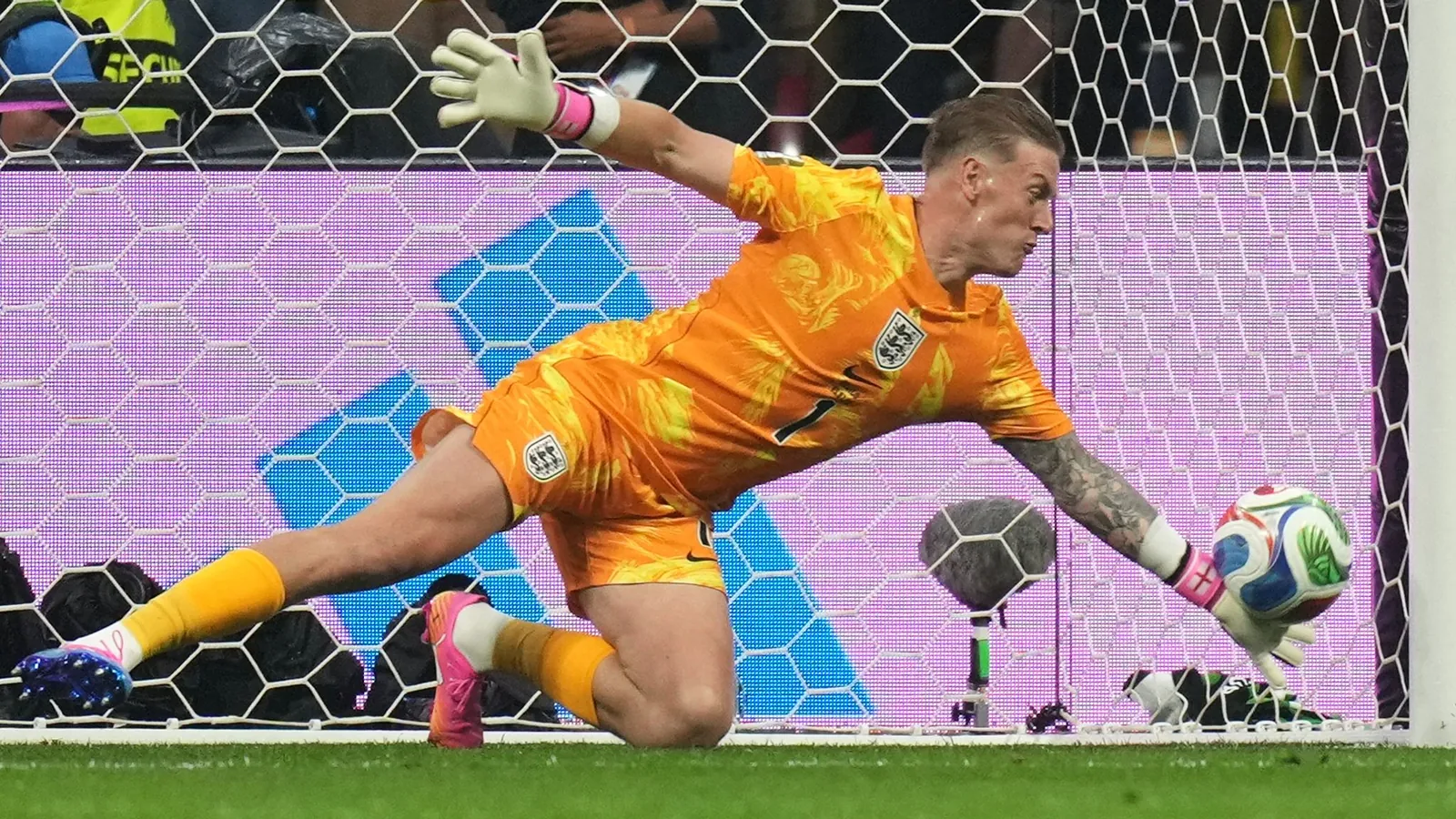
Jordan Pickford had a reliable tournament overall, despite some challenges in the knockout stages against DR Congo and Norway. He delivered strong outings against Mexico and Argentina, and was not considered responsible for England‘s semi-final exit.
Ezri Konsa was the only England player to start every game before the semi-final. While he showed promise, he appeared to run out of steam during the quarter-finals, which affected his selection for the match against Argentina. He later scored against France, and his defensive partnership with Marc Guehi is seen as having potential for future growth.
Nico O’Reilly had a solid debut tournament, consistently getting into good positions and avoiding significant errors at the back. His performance was considered promising for a first major competition.
Anthony Gordon, the new Barcelona player, had a slow start but improved significantly in the knockout rounds. He won a penalty against Mexico, was a key forward against Norway, and scored in the semi-final against Argentina.
Squad Contributions and Challenges
John Stones, despite not being affiliated with a club, contributed effectively when called upon, making a crucial block against Mexico and containing Erling Haaland against Norway.
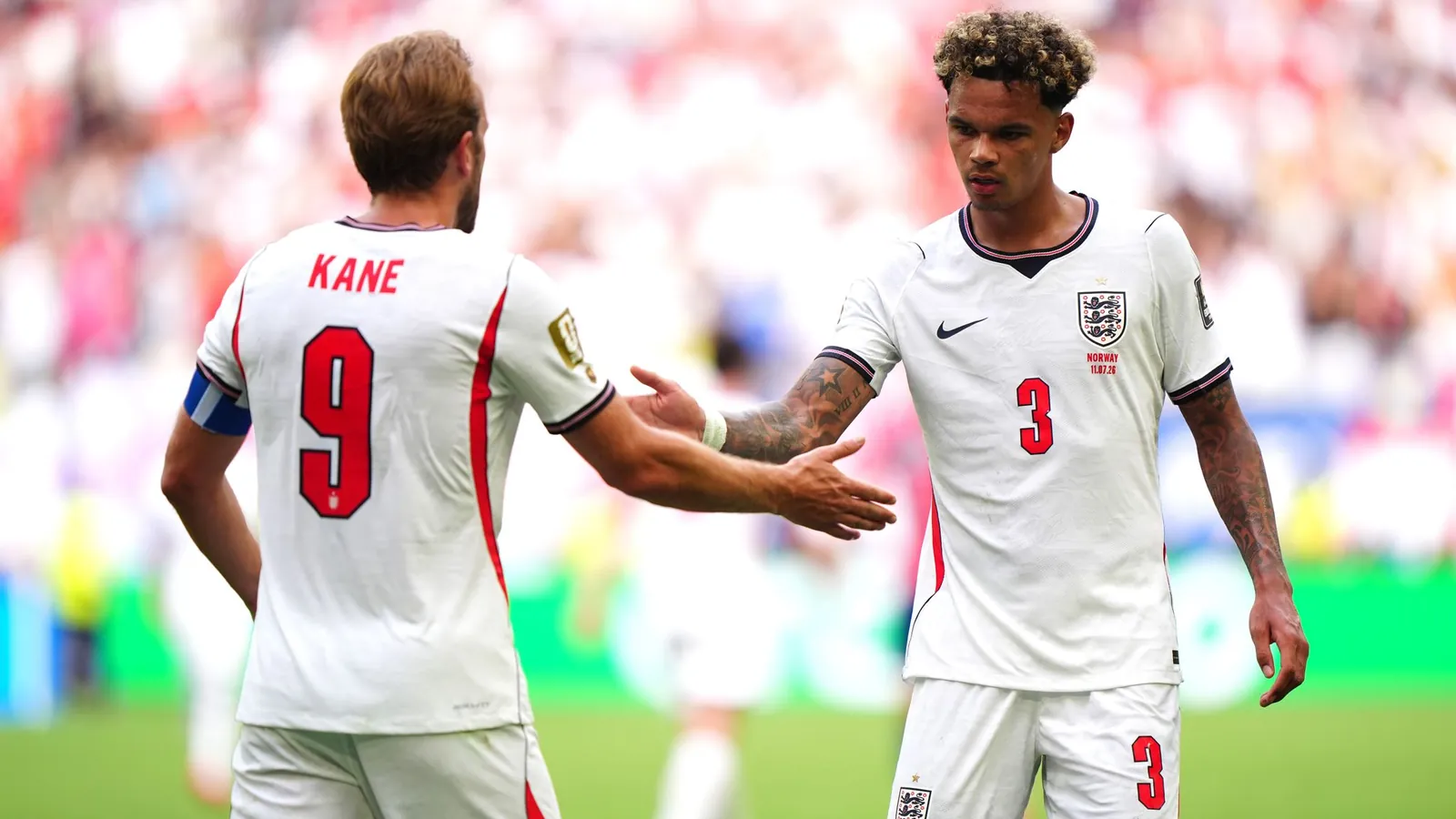
Harry Kane, the England captain, had a strong start but was less influential in the major games against Norway and Argentina. Dan Burn became a cult hero with key headers, particularly against Mexico and Norway.
Several players faced challenges or had limited impact. Marcus Rashford started well with a goal against Croatia but did not secure a consistent starting spot. Ollie Watkins and Noni Madueke played more minutes than anticipated but struggled to make a decisive impact, with Madueke‘s final ball often lacking.
Eberechi Eze, primarily a substitute, showcased his potential in his only start against France, but competition from Gordon and Bellingham limited his opportunities. Ivan Toney, brought in for his penalty-taking ability, did not get a chance to prove it and had limited game time.
Reece James, known for injury concerns, sustained an injury during the tournament, which left England‘s defence exposed at times. Jordan Henderson‘s inclusion was questioned by some, as he saw limited action and sustained a wrist injury during celebrations.
Trevoh Chalobah and Kobbie Mainoo received minimal or no playing time, despite midfield struggles and fitness concerns for other players. Dean Henderson and James Trafford, as backup goalkeepers, did not feature significantly, though Henderson made some saves in the third-place play-off.
The England squad’s performance in the World Cup concluded on Sunday, 19 July 2026.
Read Also
- England secures third place at World Cup 2026 after dramatic victory over France
- Tuchel explains Saka's reduced World Cup role after hat-trick against France
- Santiago del Estero: England secure dramatic win over Argentina in Nations Championship
- New York-New Jersey Stadium to host Spain versus Argentina World Cup final
Source: skysports.com

As News-UK's Sports News Writer, Oscar Pennington reports on rugby union, golf and boxing for readers across the country. He built a reputation for sharp explainer pieces on regional sport. He holds a degree in Journalism from Nottingham Trent University and completed an NCTJ diploma. Oscar lives in Nottingham, where he follows the pro golf tour and amateur boxing. “Context is what turns a result into a story.”