
England’s Best World Cup Finish in Decades
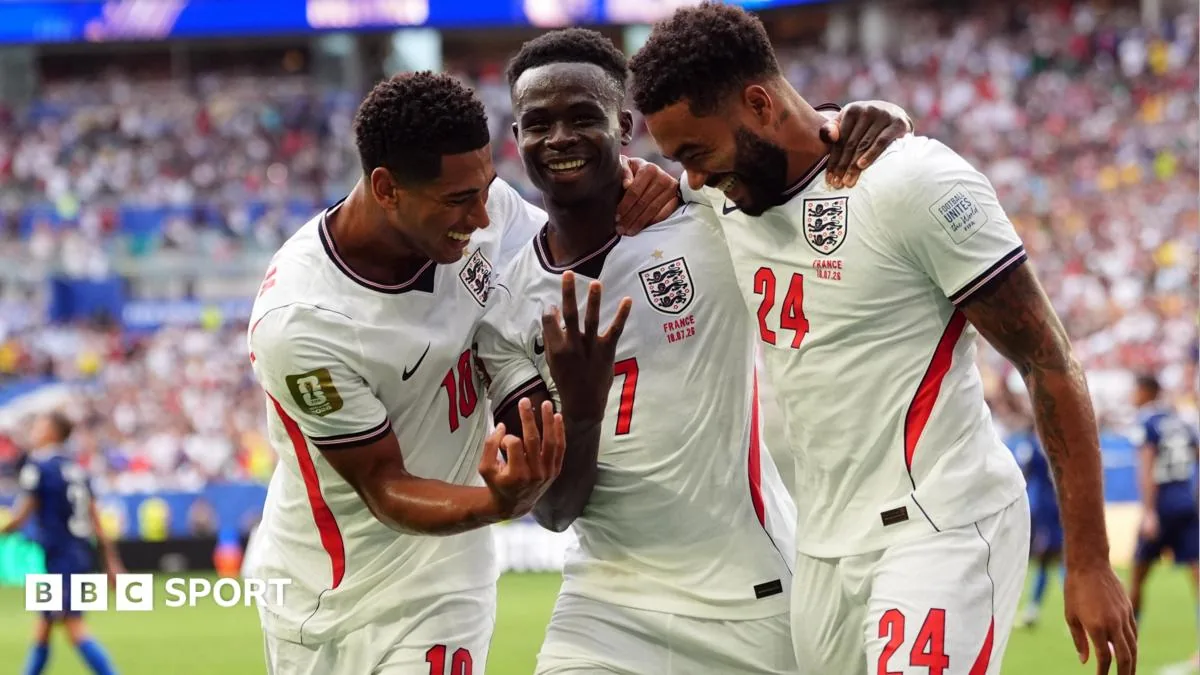
England achieved their best World Cup finish since their 1966 triumph, securing third place after a dramatic 6-4 victory against France in the ‘bronze final’. This result marks the men’s team’s highest placement on foreign soil. The match, which featured ten goals, saw England overcome their semi-final disappointment to deliver a high-scoring performance.
The team, ranked fourth globally at the start of the tournament, reached the semi-finals for only the third time since 1966. Despite this achievement, the campaign has been met with mixed reactions, with some viewing it as a disappointment given the team’s aspirations under manager Thomas Tuchel.
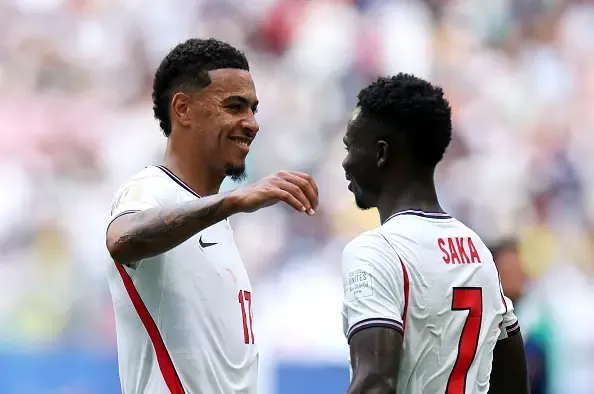
The bronze final itself was a chaotic and entertaining affair. Declan Rice opened the scoring for England in the third minute, followed by a goal from Ezri Konsa. Bukayo Saka then scored twice, giving England a 4-0 lead at half-time. This marked the first time France had trailed by four goals at the break in any match since April 1930.
France, however, mounted a significant comeback in the second half. Kylian Mbappe scored two goals, and Bradley Barcola added another, narrowing England’s lead. Mbappe’s goals also saw him become the World Cup’s all-time leading scorer with 22 goals, surpassing Lionel Messi.
Saka completed his hat-trick from the penalty spot in the 87th minute after Djed Spence was fouled. Although Ousmane Dembele scored for France in stoppage time, Jude Bellingham sealed England’s 6-4 victory in the 98th minute with his seventh goal of the tournament, the most by an Englishman in a single World Cup.
Squad Performance and Managerial Scrutiny
Individual performances during the tournament highlighted several key players. Jude Bellingham and Harry Kane were noted for their contributions, with Bellingham ending the tournament as England’s top scorer with seven goals. Djed Spence also received recognition for a goal-saving tackle against Argentina. Anthony Gordon and Bukayo Saka each provided three assists.
The semi-final loss to Argentina, however, led to scrutiny of Thomas Tuchel’s tactical decisions. Reports suggest in-squad disagreements regarding his perceived defensive strategy during the latter stages of that match. Tuchel’s substitutions and tactical switches were deemed too defensive by some players, contributing to a sense of disappointment within the camp.
Despite the criticism, the Football Association reaffirmed its backing of Tuchel immediately after the Argentina game, with the intention for him to remain in charge for Euro 2028. However, fan reaction, including booing Tuchel before the France game, raises questions about the long-term impact on the FA’s stance.
Looking Ahead to Euro 2028
The performance against France, where Tuchel made seven changes and allowed for a more attacking display, showcased the team’s offensive capabilities. This included a hat-trick from Bukayo Saka, who had been struggling with fitness throughout the tournament. The match featured 38 shots, with 20 on target, making it one of the highest-scoring World Cup matches England has played.
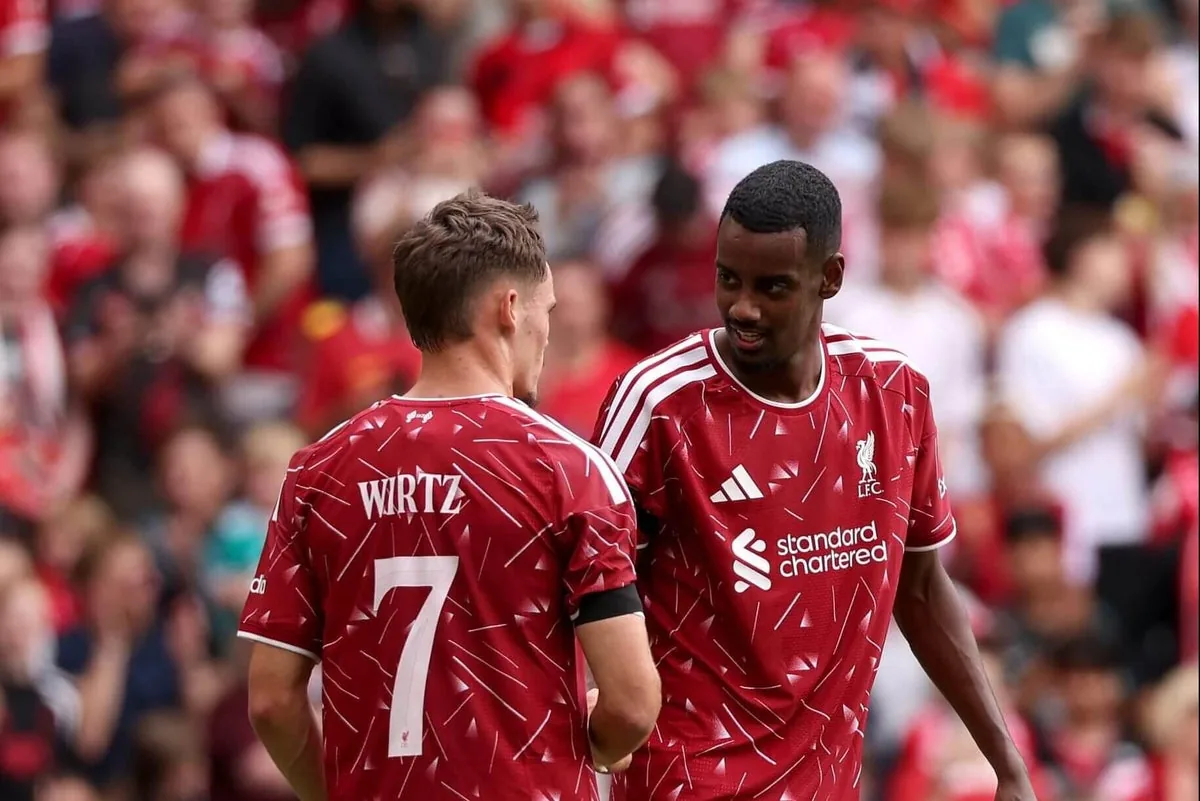
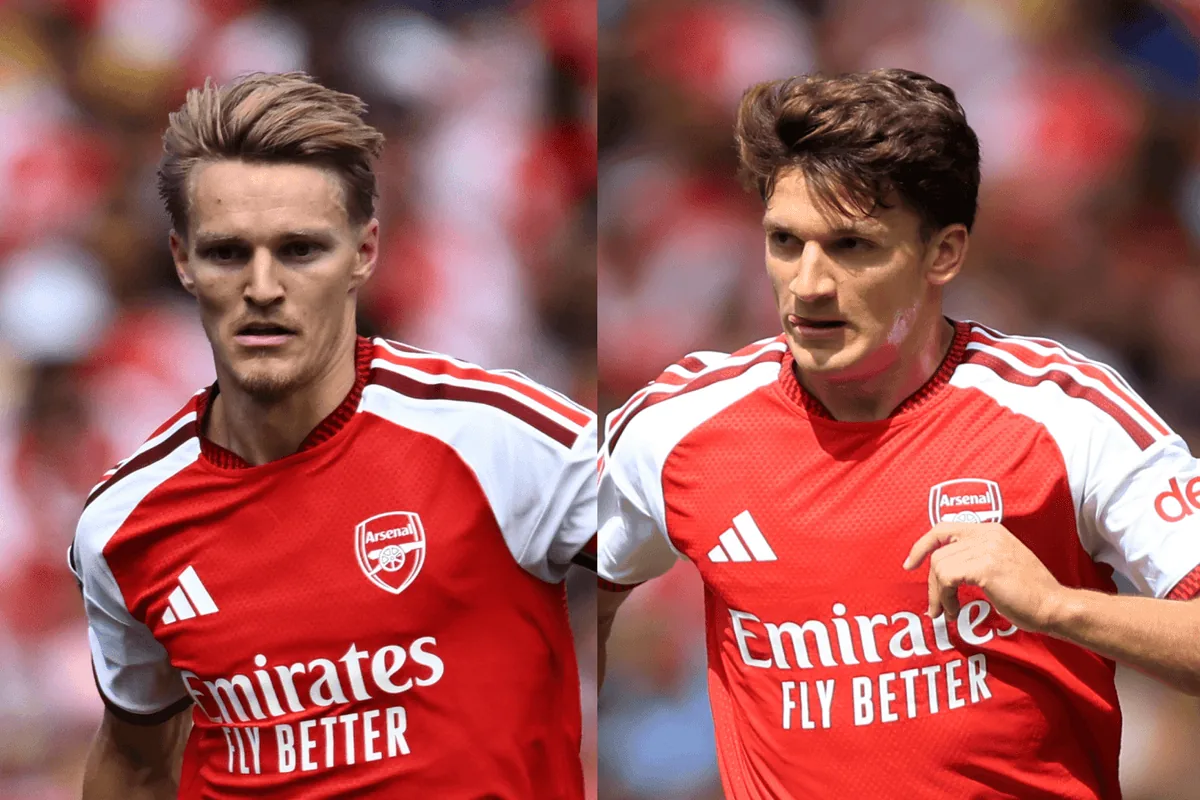
Looking towards Euro 2028, England faces the challenge of developing a more potent and resilient playing style. Tuchel will need to integrate emerging talents such as Liverpool’s Rio Ngumoah and Arsenal’s Max Dowman into the squad. The team will also likely face strong opposition from nations like France and Spain in future tournaments.
The World Cup 2026 campaign concludes with England’s best finish in 60 years, but also with ongoing discussions about tactical approaches and future improvements under Thomas Tuchel’s leadership.
Read Also
Source: bbc.com

Adam Rutherford is a Senior Football Correspondent at News-UK. He spent his early career filing match reports across the North West. He focuses on the Premier League, the EFL and the England national side and is known for clear, deadline-driven reporting. He holds a degree in Sports Journalism from Manchester Metropolitan University and completed an NCTJ diploma. Now based in Manchester, he coaches a youth team and watches grassroots football. “Every transfer window hides a dozen real stories.”