
Tactical Debate After Semi-Final Exit
Following England’s 2-1 defeat to Argentina in the World Cup semi-final, the team’s defensive approach in the latter stages of the match has become a significant point of discussion. Reports indicate that several key players within Thomas Tuchel’s squad were left disappointed by how the team managed the final moments of the game.
England had been leading 1-0 with 35 minutes remaining, seemingly on track for their first men’s World Cup final since 1966. However, the momentum shifted dramatically as Argentina intensified their pressure. Tuchel opted for a back-five formation to protect the lead, a strategy that ultimately saw England concede two goals in the closing stages.
Sources close to the squad suggest that a consensus emerged among certain players, believing that Tuchel’s tactical changes and substitutions contributed to the team’s deep defensive retreat. Some players felt they should have been given more freedom to press the ball, aiming to relieve pressure on the defence and offer an attacking threat.
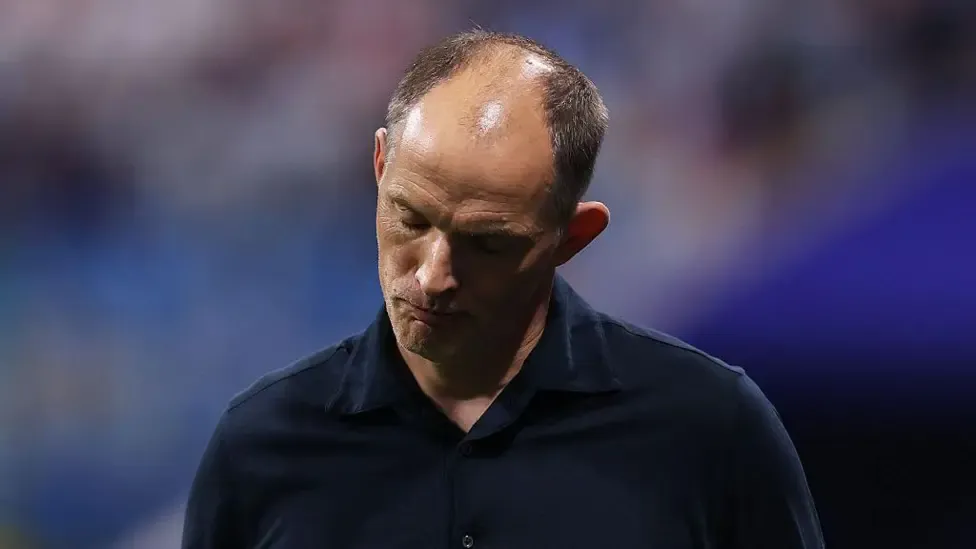
Despite the criticism, Tuchel has stated that dropping deeper was never his intention. He explained that the plan was to remain active and prevent gaps from opening up in the defence, but the team struggled to win duels, leading to an unintended retreat. Tuchel also highlighted the importance of ball possession, noting that it might not be as ingrained in England’s footballing DNA as it is in other nations.
Messi’s Influence and England’s Strategy
England’s strategy for containing Lionel Messi was a key aspect of their game plan. For the initial hour of the match, Messi’s involvement in dangerous areas was limited. Data showed that his only possession in the centre of the penalty area was intercepted, and his sprinting speed was lower compared to previous matches in the tournament.
Messi’s only shot in normal time was from long range and blocked before reaching the England box, a rare occurrence for him in World Cup matches where he played the full 90 minutes. His heat map indicated he operated primarily in his usual right half-space in front of the opposition’s penalty area, a position England’s defence was prepared for.
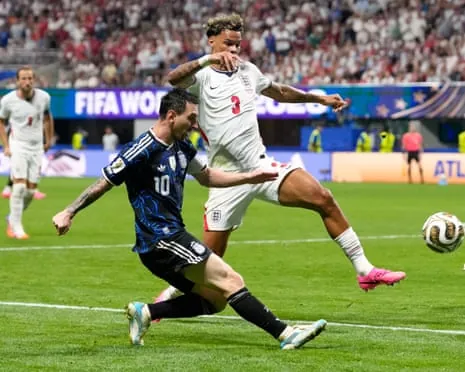
However, a subtle shift in Messi’s play proved decisive. In the second half, he began delivering crosses from the flank between the edge of the penalty box and the touchline, a zone where he had only one touch in the first 45 minutes. He attempted six open-play crosses from this region, a significantly higher number than his average. One of these deliveries led to Lautaro Martínez’s winning goal, generating a high xG (expected goals) value.
This tactical adjustment from Messi, despite his statistically unusual game, ultimately undermined England’s plans. Tuchel’s decision to bring on Ezri Konsa and later Dan Burn, switching to a back five, was made after a dangerous header from a Messi cross, indicating an attempt to counter this threat. This approach had been successful against Mexico in a previous match.
Looking Ahead for England
The internal discussions among players regarding Tuchel’s tactics present an intriguing dynamic as England prepares for the upcoming European Championship qualifying campaign. While Tuchel retains the full support of Football Association chief executive Mark Bullingham, the criticism following the defeat to Argentina will be noted.
The FA is set to review England’s performance in the tournament after the team returns home from their bronze medal match against France. Despite reaching the semi-finals being considered an achievement by the FA, the circumstances surrounding the loss to Argentina will be thoroughly examined.
The squad’s concerns about the tactical approach in the semi-final highlight the challenges Tuchel faces in balancing player input with his strategic vision as he aims to guide England to future success.
Read Also
Source: bbc.com

Freya Donnelly is the Sports Reporter at News-UK, covering tennis, cricket and athletics with seven years of reporting experience. She reported on Team GB through an Olympic cycle. She holds a degree in Sport and Media from the University of Brighton and completed an NCTJ diploma. Based in Brighton, she plays club cricket in the summer. “Listening is the most underrated skill in sports reporting.”