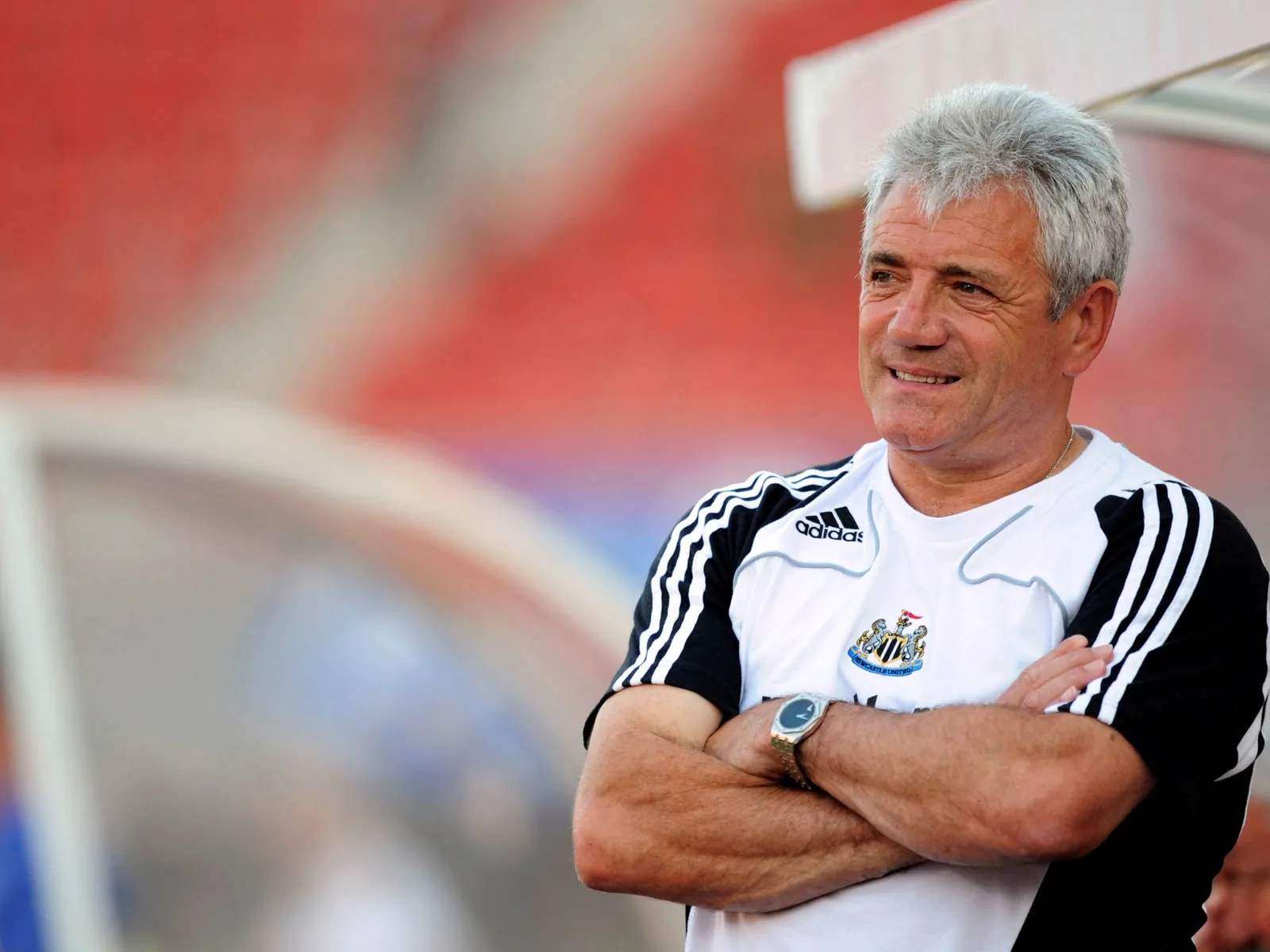

Kevin Keegan, a prominent figure in English football as both a player and manager, has died at the age of 75 following a battle with cancer. His family announced his passing on Monday, stating he was surrounded by his wife and daughters in his final moments. Keegan, who was diagnosed with stage four cancer, underwent treatment in January.
Keegan was the only British player to win the Ballon d’Or twice, achieving this in 1978 and 1979. He was a key player in Liverpool’s first European Cup-winning team and later became a significant figure at Newcastle United as both a player and coach. His career also included captaining and managing the England men’s national team.
A distinguished playing career
Born in Armthorpe, Doncaster, Keegan’s path to professional football was not straightforward. He began his career at Scunthorpe after being rejected by Doncaster Rovers. His talent was eventually recognised by Bill Shankly, who brought him to Liverpool. Keegan scored on his debut for Liverpool and remained a consistent presence in the team.
During his time at Liverpool, Keegan was a dynamic striker nicknamed “mighty mouse,” and he secured four English top-flight titles with the club. He then moved to German club Hamburg in 1977. Later, he returned to England, playing for Southampton and Newcastle United before transitioning into management.
Keegan’s England career included his first major tournament, the 1980 European Championship. His World Cup appearances were limited, with his career in the tournament amounting to 20 minutes in 1982, a campaign affected by a back injury. He played his final game for England at the age of 31.
Managerial impact and memorable moments
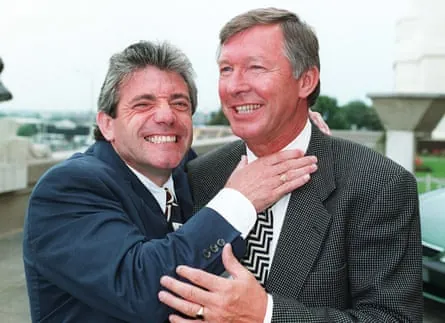
As a manager, Keegan led Newcastle United to promotion to the Premier League in 1993. He established them as a competitive force in the top flight, with the team, dubbed “the entertainers,” finishing as runners-up to Manchester United in 1996. This period included his notable “I’d love it” outburst in April 1996, directed at Sir Alex Ferguson, which has become a frequently referenced moment in football history.
After his spell at Newcastle, Keegan managed Fulham before taking charge of the England national team from 1999 to 2000. He also spent four years as Manchester City manager, contributing to their establishment as a top Premier League side, before a brief return to Newcastle in 2008 concluded his managerial career.
Tributes have been shared by his former clubs. Newcastle United described Keegan as their “beating heart,” acknowledging his role in transforming the club’s perception and igniting the city. Liverpool highlighted his legacy, stating his impact will be “forever etched in history,” and quoted Keegan’s sentiment that the club made him both as a footballer and a person. Manchester City paid homage to him as a “transformative manager who brought optimism and vibrancy” to the club, while Southampton remembered the joy he brought to fans when he signed with them in 1980.
The English Football League also acknowledged Keegan as a legend whose impact as a player and manager will be remembered by generations of football fans. Former Liverpool player Jamie Carragher referred to Keegan as an “absolute giant of the English game” and one of the most important figures in shaping Liverpool FC.
Keegan’s family has requested privacy during this difficult time.
Read Also
Source: theguardian.com

Freya Donnelly is the Sports Reporter at News-UK, covering tennis, cricket and athletics with seven years of reporting experience. She reported on Team GB through an Olympic cycle. She holds a degree in Sport and Media from the University of Brighton and completed an NCTJ diploma. Based in Brighton, she plays club cricket in the summer. “Listening is the most underrated skill in sports reporting.”