
Norway’s Squad Rotation Against France
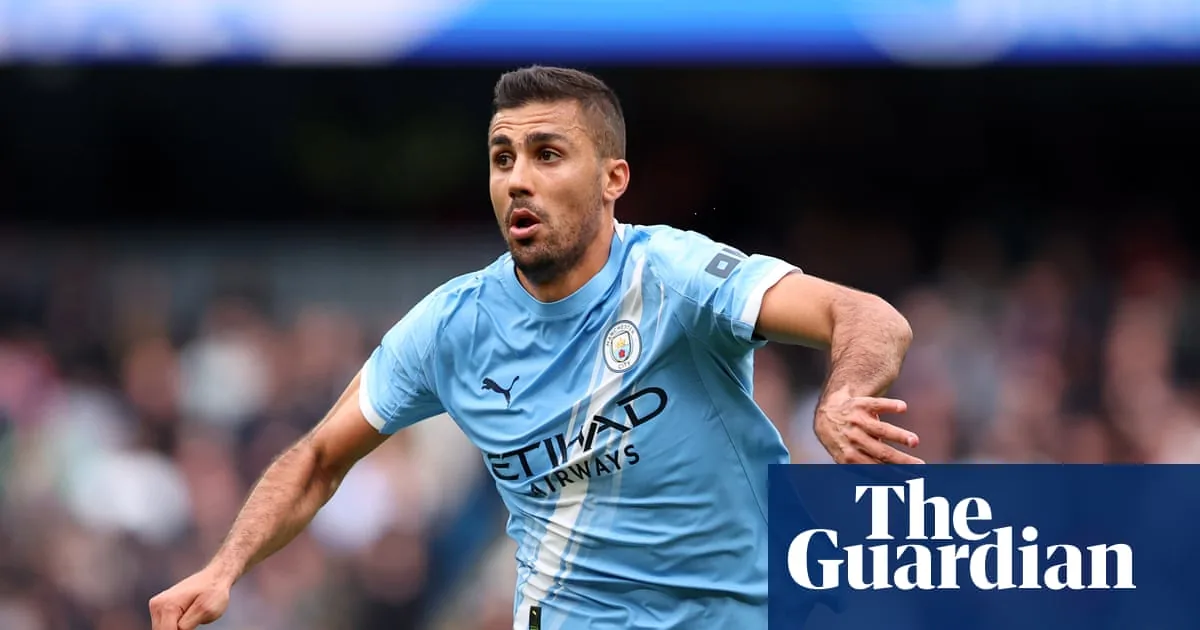
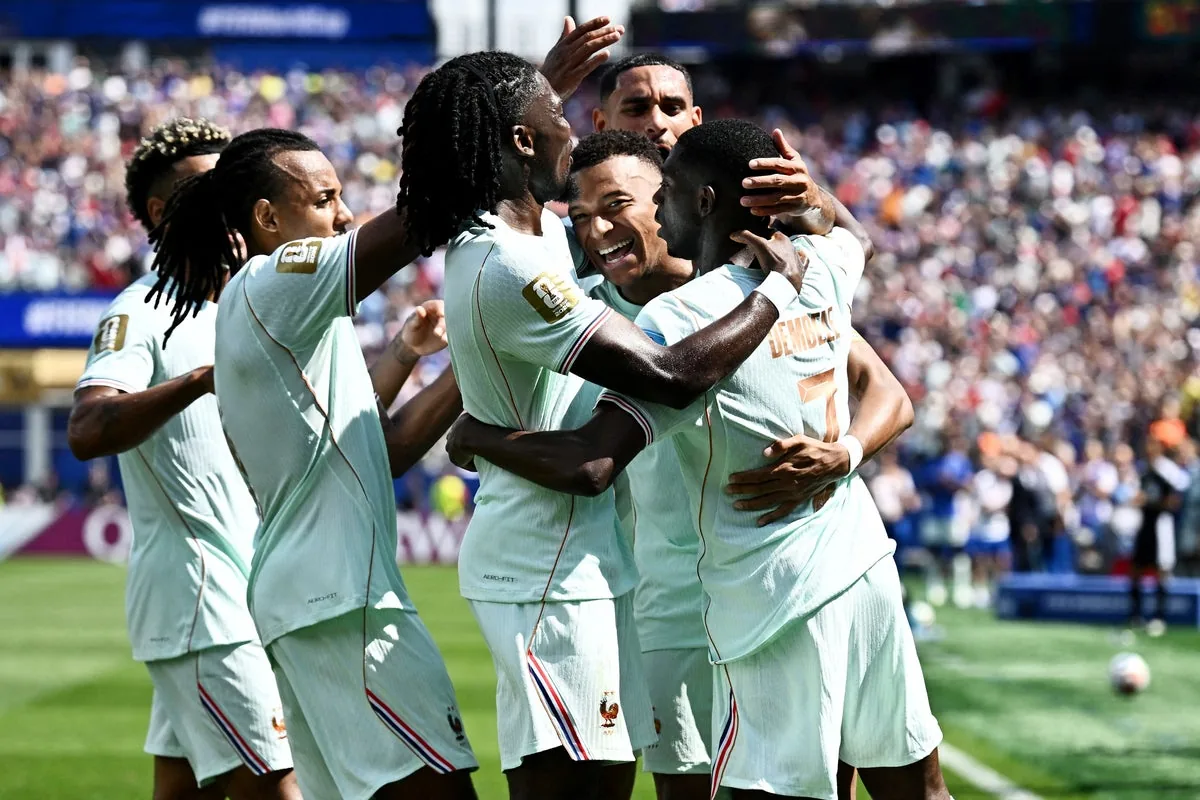
Norway opted for significant squad rotation in their final World Cup 2026 group stage match against France, a decision that saw star striker Erling Haaland start on the bench. This move, which involved 10 changes to the starting XI, was made despite the match being billed as a potential Golden Boot contest between Haaland and Kylian Mbappe. France ultimately secured a 4-1 victory at Boston Stadium, with Ousmane Dembele scoring a 25-minute first-half hat-trick.
The decision to rest key players, including Haaland and Martin Odegaard, came after Norway had already qualified for the knockout stages. Coach Stale Solbakken described the choice as a “no-brainer,” citing discussions with the medical department and players regarding fatigue. He acknowledged that fans might have wanted to see Haaland and Odegaard play, but prioritised player fitness for the later stages of the tournament.
Former England striker Ian Wright expressed surprise at Norway’s extensive changes, especially given that they had used the same starting lineup for their previous wins against Iraq and Senegal. Former Scotland winger Pat Nevin suggested that Norway’s physical style of play might have influenced the decision, as losing players to injury could be detrimental. He speculated that the team believed it was not worth risking injuries for this particular match.
Impact of the Decision and Tournament Progression
With Haaland on the bench, Jorgen Strand Larsen missed a penalty that could have narrowed the deficit to 3-2 after half-time. Haaland had previously indicated his focus was beyond the group stage, stating after Norway qualified that he didn’t “care too much about that game now” and that France would “probably going to win the whole tournament.”
The extensive changes meant that Norway became only the fourth team to make 10 or more changes to their starting XI for a World Cup match in the same edition. While Spain made 11 changes in 2006 and won their final group game, they subsequently lost in the last 16. However, Belgium made 10 changes in 2018, defeated Japan, and then went on to beat Brazil in the quarter-finals before being eliminated by France.
Roy Keane, a former Republic of Ireland midfielder, supported Solbakken’s reasoning, highlighting Norway’s relative inexperience in tournament football compared to France’s high expectations. He suggested that Norway’s priority was to advance from the group, and the manager likely concluded that resting players against France was a strategic move for the subsequent rounds.
France’s assistant coach, Guy Stephan, who was deputising for Didier Deschamps, stated he was not surprised by Norway’s lineup changes, noting that Solbakken was likely preparing for the round of 32. He added that the effectiveness of Norway’s decision would become clear in four days.
Logistical Challenges and Fan Experience
Despite topping Group I with three wins from three, France’s reward is a last-32 match at the nearby New York New Jersey Stadium on 30 June against the runners-up of Group F or G. In contrast, Norway faces a significantly longer journey for their next game. They are based in Greensboro, North Carolina, and will travel approximately 1,100 miles to Arlington, Texas, to play Ivory Coast on the same day.
This travel distance is twice what it would have been had Norway topped their group, a point highlighted by Nevin, who noted the logistical complications of such extensive travel. Thousands of Norwegian fans, who had travelled to the United States, expressed some bewilderment at the team news inside Boston Stadium, though many continued their Viking-style row celebration.

The match itself saw Dembele’s hat-trick, with his goals often involving him cutting inside to strike the ball with his left foot. His first goal came after just seven minutes, setting the tone for France’s dominant performance. The French attack, also featuring Michael Olise, Bradley Barcola, and Desire Doue, demonstrated significant depth, with Doue scoring his first World Cup goal late in the match.
France’s victory also marked a notable achievement, becoming the first team since Poland in 1974 to have two players score four goals each in the group stage, matching the record of Grzegorz Lato and Andrzej Szarmach. This expanded tournament is also the first World Cup to feature five players scoring four or more goals in the group stage.
The French team’s performance, even with some defensive vulnerabilities, showcased their ability to overcome challenges, providing some solace for Deschamps, who was absent due to his mother’s funeral. The French federation’s request for armbands in her honour was not granted by Fifa.
Norway’s next fixture is against Ivory Coast on 30 June.
Read Also
Source: bbc.com

Freya Donnelly is the Sports Reporter at News-UK, covering tennis, cricket and athletics with seven years of reporting experience. She reported on Team GB through an Olympic cycle. She holds a degree in Sport and Media from the University of Brighton and completed an NCTJ diploma. Based in Brighton, she plays club cricket in the summer. “Listening is the most underrated skill in sports reporting.”