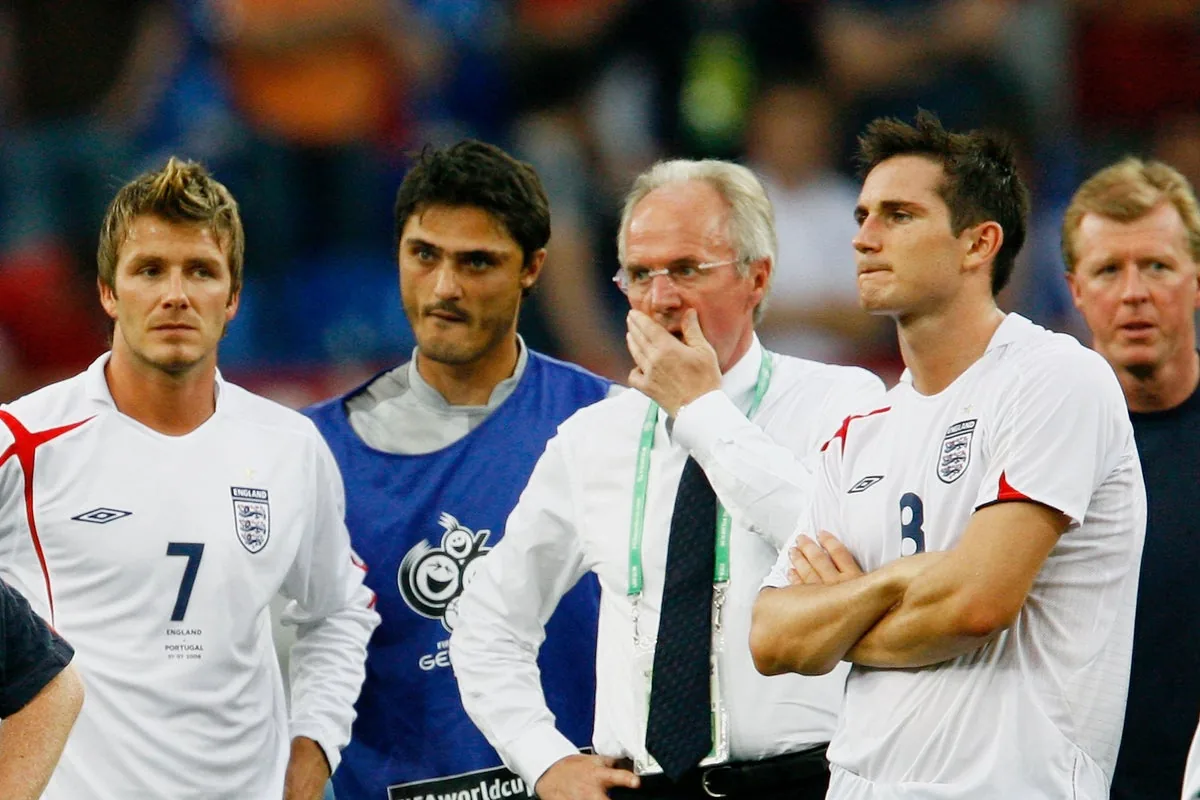

Semi-final scheduling and rest days
The upcoming World Cup semi-finals feature four top-ranked teams, with France playing Spain on Tuesday, followed by Argentina facing England on Wednesday. This schedule means that England and Argentina will have one less day of rest before the final on Sunday compared to their potential opponents.
A recurring pattern over the last 14 years in men’s and women’s World Cups and European Championships suggests that the team with an extra day of rest between the semi-final and final often wins. In 13 of the past 14 finals across these major tournaments, the side that played their semi-final a day earlier emerged victorious. The only instance where this did not apply was when both semi-finals were held on the same day.
The significance of an additional day’s rest is highlighted, particularly after an intense tournament held in the United States, Canada, and Mexico, where matches have been played in challenging conditions, including extreme heat and at altitude. Freshness could be a crucial factor in the final.
Historical tournament outcomes
Several past tournaments illustrate this trend. In the Men’s European Championship 2012, Spain had an extra day of rest and defeated Italy 4-0. Similarly, Germany won the Women’s European Championship 2013 1-0 against Norway after having an additional day to recover. In the Men’s World Cup 2014, Germany, with an extra day of rest, beat Argentina in the final.
The pattern continued in the Women’s World Cup 2015, where the United States, with more rest, secured a 5-2 victory over Japan. Portugal, despite France having home advantage in the Men’s European Championship 2016, won after extra time, having had an additional day of rest. In the Men’s World Cup 2018, France had four days off compared to Croatia’s three and won the final.
The Women’s World Cup 2019 saw the United States defeat the Netherlands, again with the US having an extra day of rest. Even when UEFA adjusted the scheduling for the Men’s European Championship 2020 to provide more rest days, Italy (four days rest) defeated England (three days rest) on penalties. In the Women’s European Championship 2021, England, with home advantage and an extra day to prepare, beat Germany 2-1 after extra time.
The Men’s World Cup 2022 final saw Argentina, with four days off, prevail over France, who had three days. The Women’s World Cup 2023 final saw Spain beat England 1-0, with Spain having an extra day of rest. Most recently, in the Men’s European Championship 2024, Spain defeated England 2-1, having had four days off compared to England’s three.
England’s quarter-final progression
England has demonstrated a significant improvement in navigating the quarter-final stage of major tournaments. Since the 2016 European Championship, England has reached five successive quarter-finals across World Cups and European Championships. This includes reaching the last eight in each of the last three World Cups and two European Championships, a feat unmatched by any other country.
Under Gareth Southgate, England progressed through four quarter-finals, marking a shift in the team’s mentality and expectation to advance deep into competitions. This period has seen England consistently top their groups in recent tournaments, losing only once in 15 pool games, which often provides a more straightforward path to the quarter-finals.
Historically, England’s quarter-final record was less consistent. Before Southgate’s tenure, their last quarter-final win was against Sweden in 2018. Their previous quarter-final victories on foreign soil or in 90 minutes were even further back. This recent success represents a break from past struggles, where quarter-finals often proved to be a significant hurdle.
The team’s recent quarter-final opponents have included Sweden, Ukraine, and Switzerland. However, the upcoming match against Norway, who defeated Italy in qualifying and Brazil in the last 16, presents a different challenge, particularly with the presence of Erling Haaland. England’s ability to win winnable games has been a hallmark of their performances in the last decade.
The pattern of the team with more rest winning the final extends back to the 2011 Women’s World Cup final, where Japan defeated the United States on penalties after playing in the second semi-final. The last time a side triumphed in a men’s World Cup final having played their semi-final a day after their opponents was in 2010, when Spain beat the Netherlands.
While playing both semi-finals on the same day could address the rest disparity, practical considerations, such as television scheduling, make this unlikely. An alternative solution could involve extending the gap between the semi-finals and the final, providing teams with five and four days of rest respectively, rather than the current four and three. The Copa America has shown instances where the team with less rest has won the final, with Argentina being involved in two such cases.

In 2021, Argentina defeated Brazil in the final despite having 24 hours less rest. In 2016, they lost to Chile on penalties at MetLife Stadium, the venue for Sunday’s World Cup final, even though Chile had played their semi-final a day later. This Sunday’s final will determine if England or Argentina can overcome the historical pattern of rest day advantage.
Read Also
Source: nytimes.com

Freya Donnelly is the Sports Reporter at News-UK, covering tennis, cricket and athletics with seven years of reporting experience. She reported on Team GB through an Olympic cycle. She holds a degree in Sport and Media from the University of Brighton and completed an NCTJ diploma. Based in Brighton, she plays club cricket in the summer. “Listening is the most underrated skill in sports reporting.”