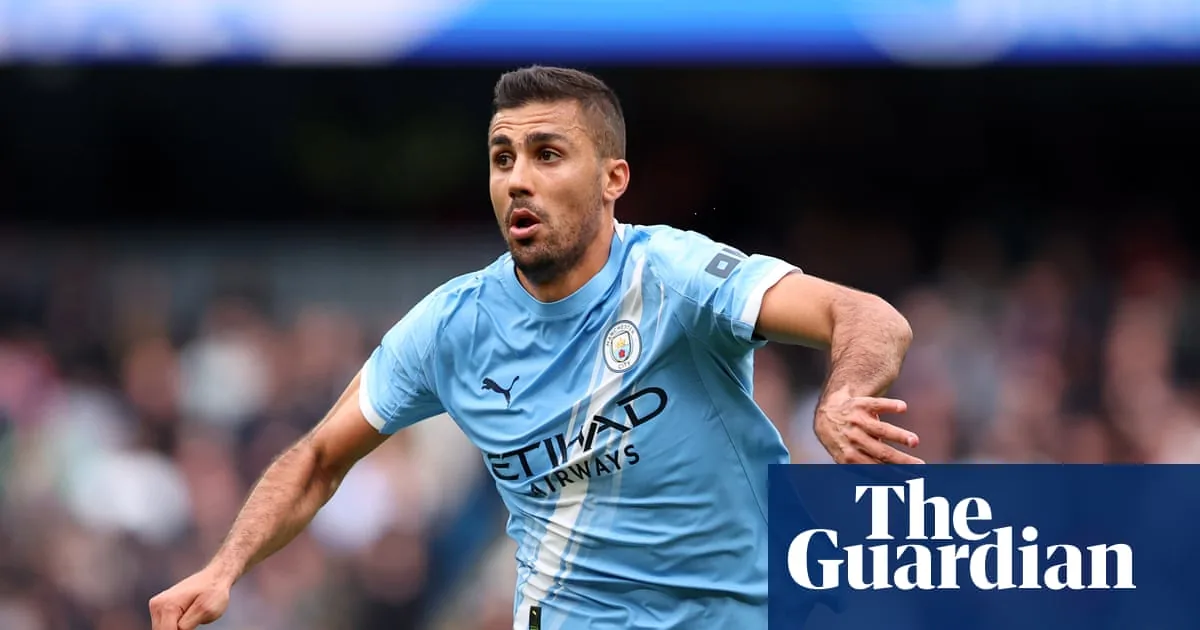

Spain has claimed its second men’s World Cup title, defeating Argentina in a final match described by some as a “victory for football.” The decisive goal came in extra time from Ferran Torres, with Rodri lifting the trophy in New Jersey.
The match saw Spain dominate possession with 65% and register 20 shots on goal, 11 of which were on target. Their expected goals tally stood at 1.94. Goalkeeper Unai Simon earned the Golden Glove award for the tournament’s best goalkeeper, having kept his seventh clean sheet in eight matches. Spain conceded only one goal throughout the 2026 World Cup, marking the fewest conceded by any winning team in the tournament’s history.
Spain‘s victory further solidifies their position in international football, adding to their titles as world, Olympic, and European champions. The men’s team is now unbeaten in their last 38 matches across all competitions, setting a new record for a European team. Despite a 0-0 draw against Cape Verde in their opening match, Spain‘s quality became evident as the tournament progressed.
Spain’s Dominance and Key Performances
During the final, Spain‘s control of the ball was a defining feature. Two Spain players completed 100 or more passes in the final: Rodri with 101 and Pau Cubarsi with 121. Cubarsi, at 19, was named the young player of the tournament. His Barcelona teammate, Lamine Yamal, became the third-youngest player to participate in a World Cup final at 19 years and six days, following Pele in 1958 and Giuseppe Bergomi in 1982, and is now the third youngest winner.
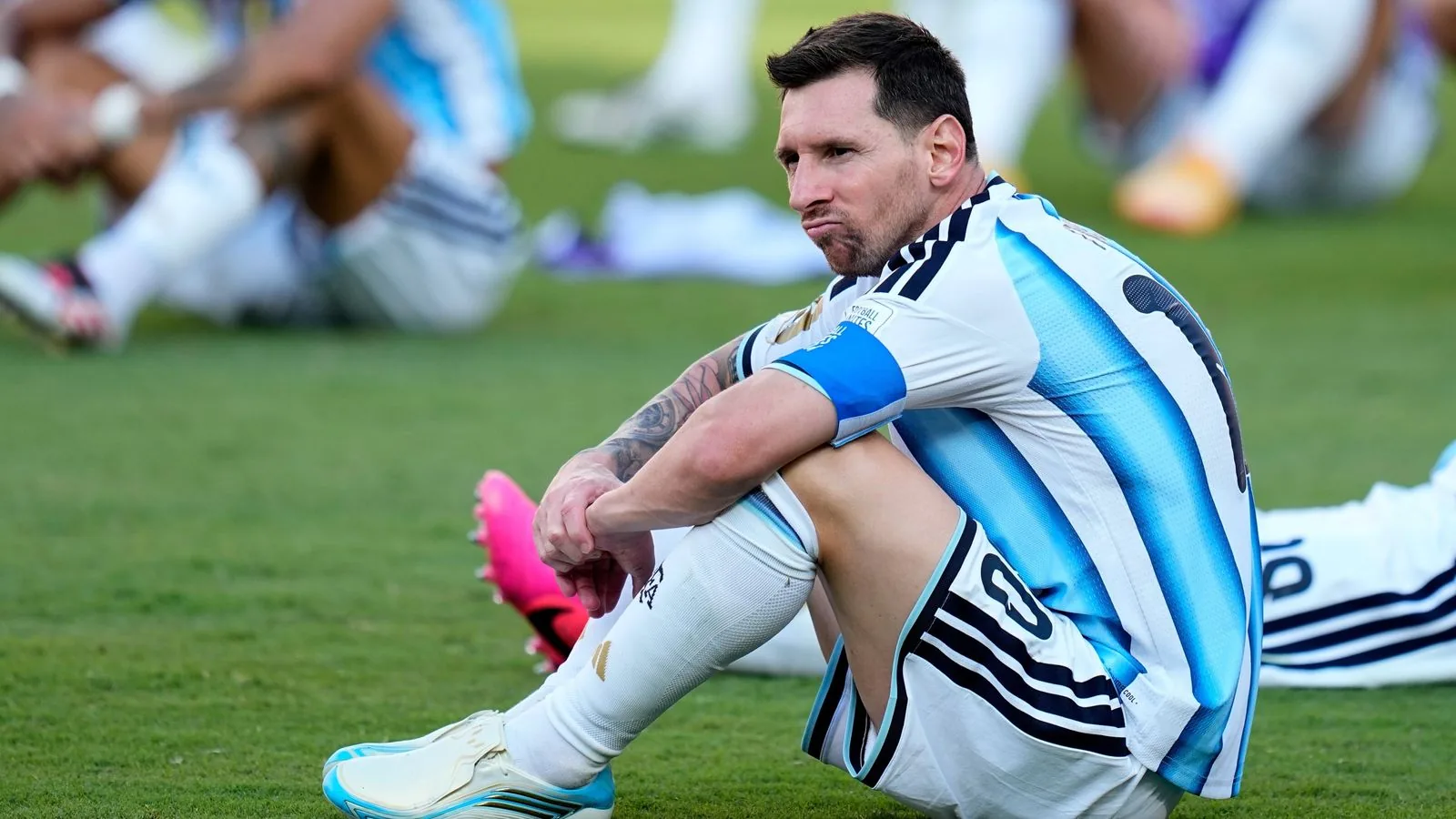
Argentina, in contrast, struggled to generate offensive play, failing to register a shot in the first 90 minutes of the final. Their first attempt on goal came in the 117th minute from Lionel Messi. Argentina‘s goalkeeper, Emiliano Martinez, made 11 saves, the most by any goalkeeper on record in a World Cup final, highlighting Spain‘s persistent pressure.
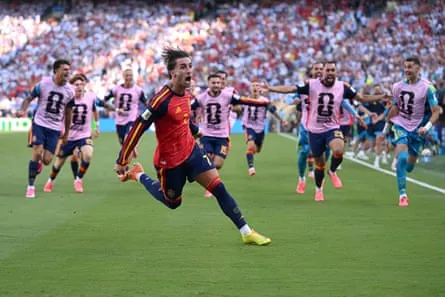
The only goal of the match arrived in the 106th minute. Pedro Porro delivered a deep cross, which was headed back by substitute Nico Williams to fellow replacement Ferran Torres, who finished high into the net. This goal secured Spain‘s second World Cup triumph.
Post-Match Incidents and Reactions
The match was marred by several incidents involving Argentina players. Enzo Fernandez received a yellow card for dissent before being shown a second for a late challenge on Pau Cubarsi, leading to his dismissal. After the final whistle, Leandro Paredes was involved in altercations with Rodri, Gavi, and Borja Iglesias. Teammate Nahuel Molina was also observed throwing a punch at a Spain player.
Former England captain Alan Shearer commented on the outcome, stating that Spain deserved the victory due to their style of play and control. He noted that Spain consistently looked to play football, create chances, and get behind the opposition defense. Argentina manager Lionel Scaloni acknowledged that the better team had won, despite his team taking the final to extra time.
Argentina‘s conduct post-match also drew criticism. They reportedly turned their backs on the Spain players during the trophy presentation. Paredes was later shown a red card for grabbing Eric Garcia by the throat. These actions contributed to a perception that Argentina had lost their dignity in defeat.
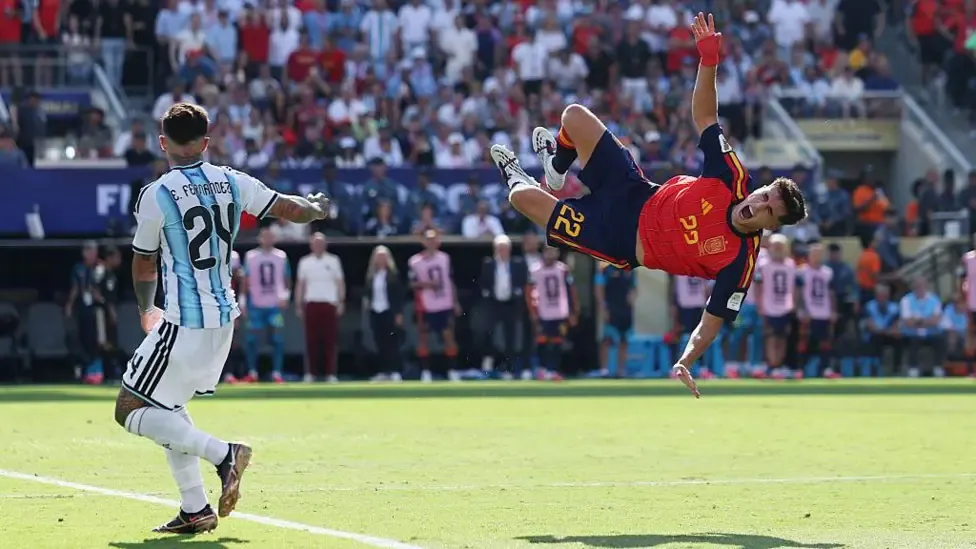
The match, held in the United States, was part of a tournament that included various performances and a delayed kick-off. Spain‘s victory marks a significant achievement for their new generation of players, following the success of their 2010 World Cup-winning team.
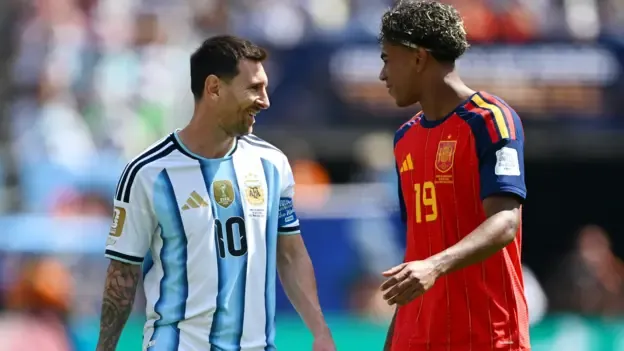
The final whistle brought an end to Argentina‘s attempt to defend their title, with Lionel Messi unable to secure a fairytale ending. Argentina had won their previous three tournaments, including two Copa Américas and the last World Cup, and had not lost a knockout tie since the 2019 Copa América.
Read Also
Source: bbc.com

Adam Rutherford is a Senior Football Correspondent at News-UK. He spent his early career filing match reports across the North West. He focuses on the Premier League, the EFL and the England national side and is known for clear, deadline-driven reporting. He holds a degree in Sports Journalism from Manchester Metropolitan University and completed an NCTJ diploma. Now based in Manchester, he coaches a youth team and watches grassroots football. “Every transfer window hides a dozen real stories.”