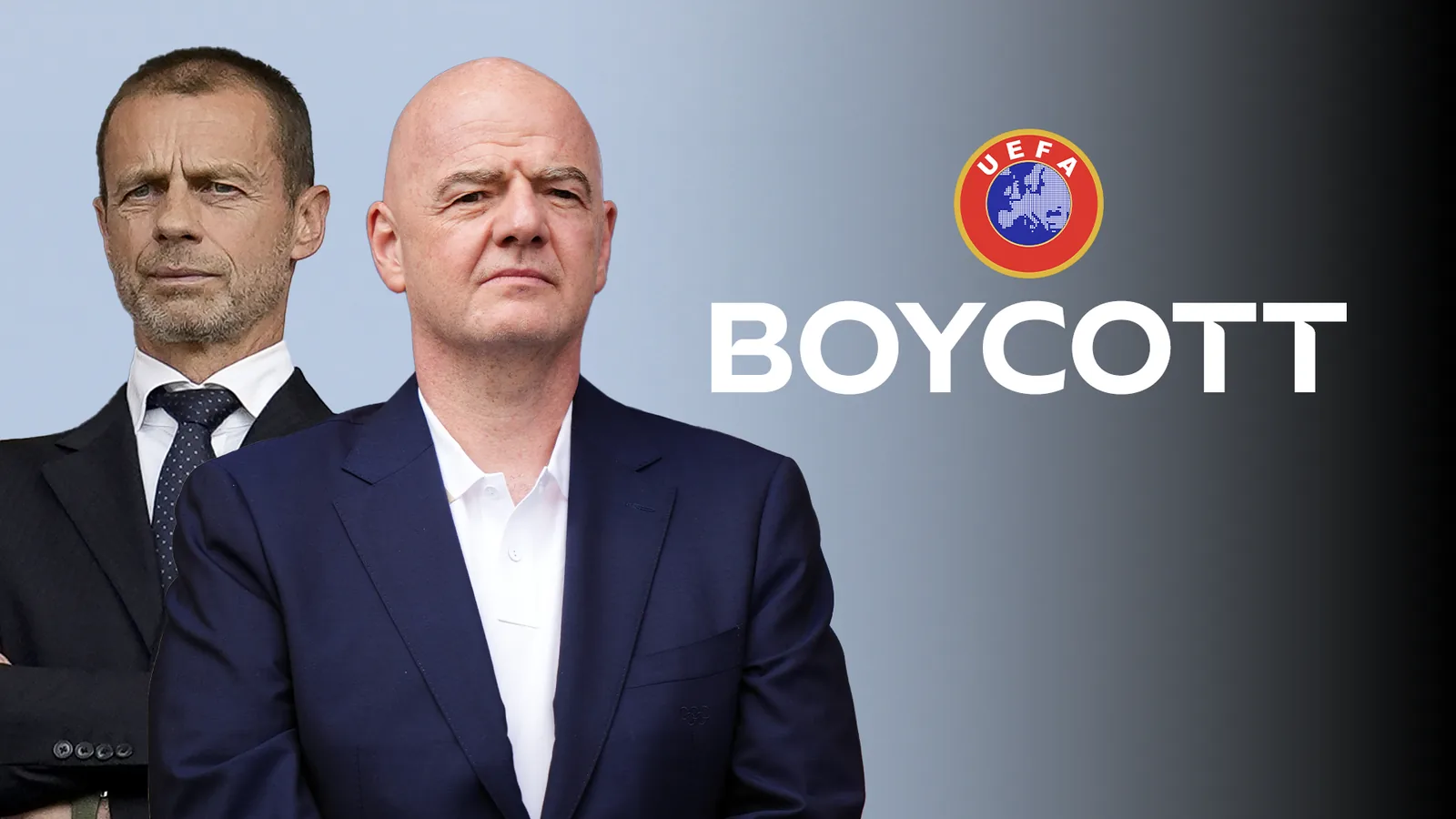

UEFA and its 55 national associations have collectively rejected FIFA‘s proposal to transfer ownership interests in the World Cup and other FIFA competitions to private investors. The decision was made following an emergency meeting on Thursday afternoon, resulting in a unanimous vote against the plan.
The European football governing body stated that the World Cup should not be treated as an investment product, emphasising its legacy built over generations by players, national teams, and supporters. They asserted that no part of it should be surrendered to private investors, declaring, "The World Cup is not for sale."
Concerns over governance and financial motives
UEFA expressed strong disapproval regarding the secretive nature in which the proposal was conceived and brought close to approval without meaningful consultation. They described this as a "profound failure of leadership" and an "abdication of FIFA‘s duty as the custodian of world football."
Laura McAllister, UEFA vice-president, accused FIFA of attempting to "blackmail" member associations into accepting the private equity plan. She highlighted that national associations were presented with an ultimatum: accept the proposal or face consequences. McAllister referred to this approach as "governance by intimidation," unworthy of an institution entrusted with the global game’s stewardship.
The core of UEFA‘s opposition extends beyond the process, focusing on the long-term implications of external investors acquiring ownership interests. They argue that such a model would permanently obligate commercial returns and make investor expectations a daily pressure. This would shift decision-making on the international calendar, competition formats, and the future of football from serving the game’s best interests to serving shareholders.
McAllister, who was elected to her position in 2023, called the proposal a "genuine existential threat to the game." She explained that private equity has different objectives and motivations compared to those who are custodians of football, and that selling off parts of football’s "crown jewels" would fundamentally change the sport.
Boycott threat and wider implications
As a direct result of the discussion, UEFA announced that no UEFA national teams will participate in any FIFA competition as long as these proposals remain active. This boycott would be triggered unless the proposal is entirely abandoned and binding assurances are given that FIFA will not again open its governance or competitions to private ownership.
The boycott would encompass all FIFA competitions, including the men’s and women’s World Cups and the Club World Cup. McAllister stated that while she hopes the boycotts do not come to pass, it is not an empty threat. She believes that a World Cup without European nations would not be a true World Cup, given Europe’s significant status in global football.
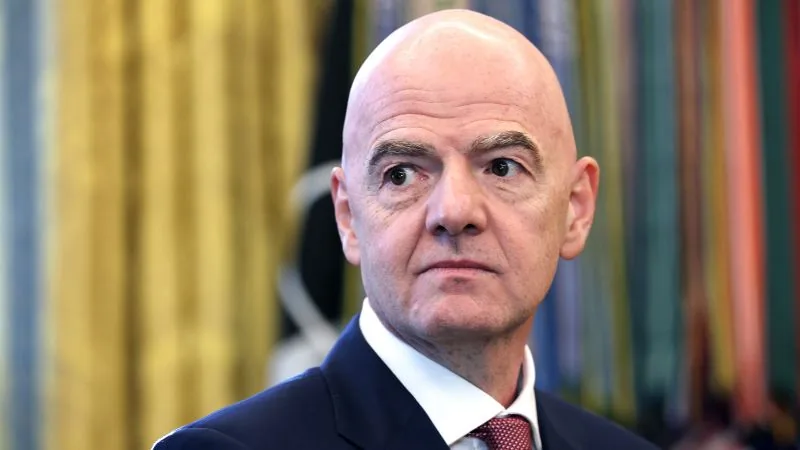
The FIFA president, Gianni Infantino, reportedly wrote to all national associations offering £15m to accept the proposal by 19 September, with a promise of a further £15m to follow. However, UEFA‘s stance remains firm, with the organisation stating it will oppose these plans with absolute determination. The Football Association of Wales chief executive, Noel Mooney, was among those who voiced concerns at the virtual emergency meeting.
The first test of UEFA‘s boycott for senior teams would be in October for the 2027 Women’s World Cup qualifier play-offs, which England, Scotland, Wales, Northern Ireland, and the Republic of Ireland are scheduled to play in. Prior to that, the U20 Women’s World Cup is set to begin in September, with England expected to participate in Poland.
McAllister urged other governing bodies to resist the plans, noting that other confederations, such as CONCACAF, have already expressed their concerns. She believes UEFA‘s strong stance could encourage other confederations to follow suit and collectively defeat the proposal.
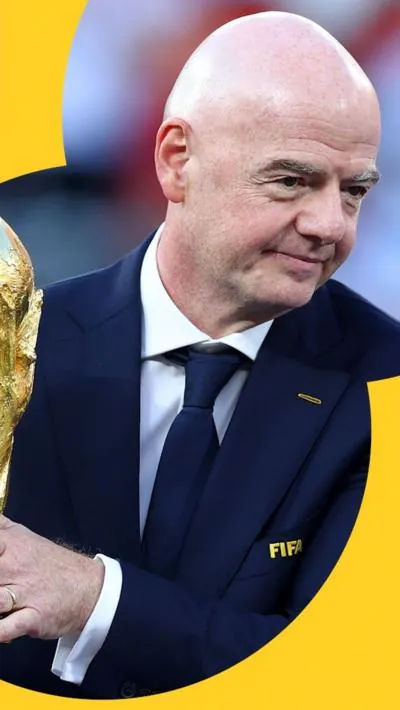
The UEFA vice-president also criticised FIFA and Infantino for what she perceives as a primary motivation driven by money, citing other interventions that have caused concern within UEFA, such as the overturning of a red card and the "FIFA peace prize."
The UK bid for the Women’s World Cup in 2035, a joint submission by England, Northern Ireland, Scotland, and Wales, now faces questions. Confirmation of host status for the 48-team tournament is expected in November.
UEFA‘s statement concludes that some things are too important to sell, reiterating that the FIFA World Cup belongs to football and will never be for sale as long as Europe has a voice.
Source: uefa.com

Adam Rutherford is a Senior Football Correspondent at News-UK. He spent his early career filing match reports across the North West. He focuses on the Premier League, the EFL and the England national side and is known for clear, deadline-driven reporting. He holds a degree in Sports Journalism from Manchester Metropolitan University and completed an NCTJ diploma. Now based in Manchester, he coaches a youth team and watches grassroots football. “Every transfer window hides a dozen real stories.”