
Tournament Overview and Controversies
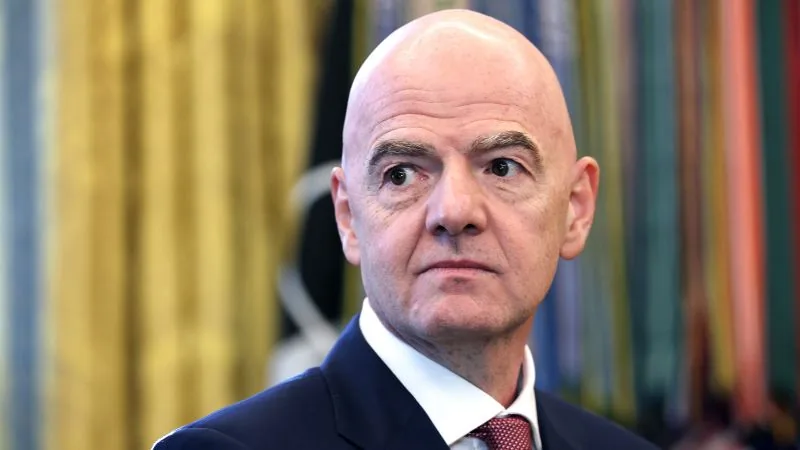
The 2026 World Cup, hosted across the United States, Mexico, and Canada, was described by Fifa president Gianni Infantino as potentially the “biggest event in the history of mankind.” The tournament saw an expansion to 48 teams, with nations such as Curacao, Cape Verde, Jordan, and Uzbekistan making their debuts. While this expansion provided compelling storylines, particularly in the group stages, it also led to a significant increase in the number of matches.
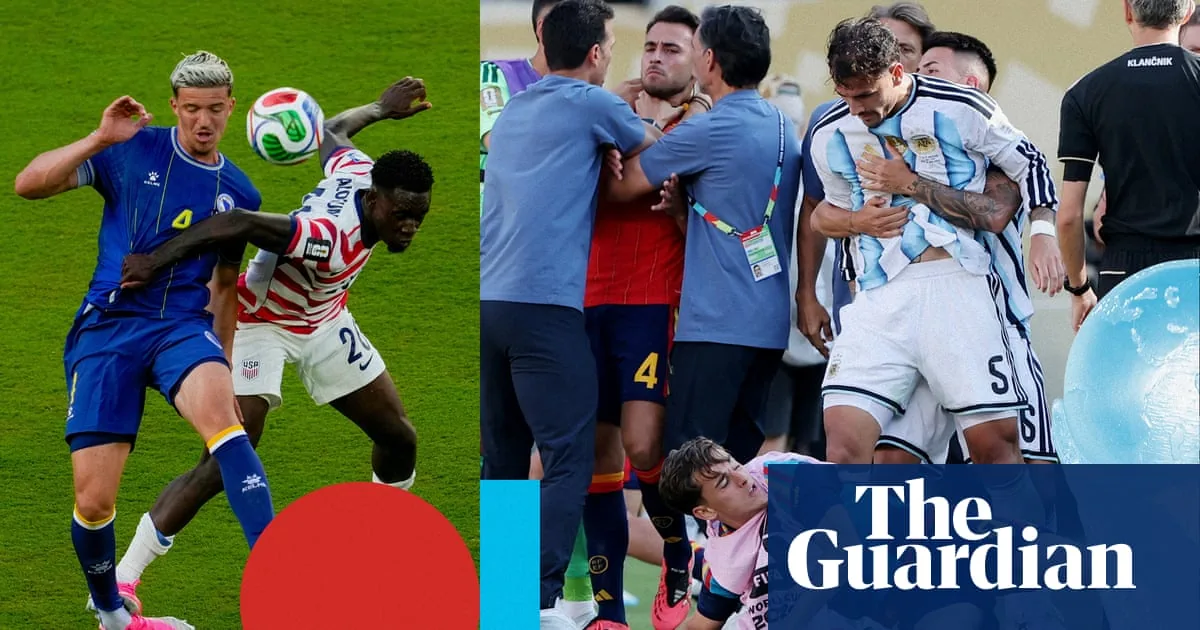
Controversies were a notable feature of the tournament. The “Balogun Affair” drew considerable attention, involving political pressure to overturn a player’s suspension. This decision, which allowed Folarin Balogun to play against Belgium after a red card, raised questions about political interference. US President Donald Trump was reported to have intervened to get Balogun’s red card overturned. This incident, along with others, led to criticism of Fifa and its president from various politicians.
Ticket prices also generated significant debate, with some reports indicating they were prohibitively high for many regular fans, transforming the World Cup into a luxury event. Despite these concerns, Fifa reported high attendance figures, with stadiums operating at nearly full capacity. The organisation also implemented a secondary resale platform, adding a 30% fee to every sale. This practice, along with initial bans on water bottles and high transportation costs in some host cities, drew public backlash and investigations.
On-Field Action and Rule Changes
The quality of football during the tournament was described as good, though not consistently great. Many exciting and dramatic matches occurred in the last 32 or last 16 rounds. Notable fixtures included Brazil against Japan, Morocco against the Netherlands, and Argentina against Cape Verde. The quarter-finals, however, were not particularly inspiring. Argentina’s semi-final victory over England was thrilling, featuring a significant collapse, while Spain’s win against France was relatively straightforward.
The final match was described as a “dismal, awful affair,” with the winning team securing victory in a “bloodless way.” This outcome, according to one assessment, was a direct consequence of earlier indulgences shown to Argentina in the tournament. The overall impression of the final match influenced the perception of the tournament, placing it behind previous editions like 2022 and 2018.
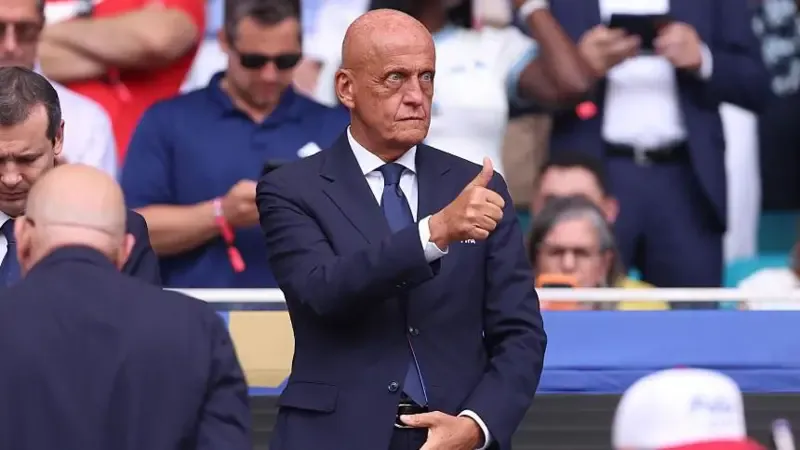
Pierluigi Collina, Fifa’s head of referees, introduced several law changes aimed at improving the tempo of games and reducing time-wasting. These measures included encouraging quicker play on throw-ins, goal-kicks, and substitutions, and addressing players feigning injuries. The changes resulted in an average match length of 96 minutes 24 seconds, with a ball-in-play time of 58 minutes 15 seconds, indicating a slight increase in active play compared to the 2022 World Cup.
Mandatory three-minute hydration breaks were also implemented across all matches, including those in air-conditioned stadiums. While Fifa stated these breaks were for player welfare, they also provided opportunities for broadcasters to air commercials. These breaks were effectively used by coaches for tactical team talks, influencing the course of several matches. Despite their utility for coaches and broadcasters, the stoppages led to increasing frustration among supporters.
Impact and Future Implications
The expansion of the tournament to 48 teams allowed for debutant nations to participate, creating compelling narratives. Cape Verde, a small archipelago, notably achieved draws against Spain and Uruguay, finishing second in their group and progressing to the knockout rounds. They took Argentina to extra time before losing 3-2, avoiding defeat in 90 minutes against both World Cup finalists. This performance highlighted the potential for smaller nations to make an impact in an expanded format.
Fifa also introduced a new seeding policy to prevent top-ranked teams from meeting early in the knockout stages. This policy gave special status to Argentina, England, France, and Spain, ensuring they were drawn into separate quarters of the draw. A specific swap of Argentina into Group J and France into Group I was made to ensure Argentina and Spain could not meet until the final, similar to a tennis tournament draw structure.
Beyond the football, the tournament faced criticism regarding its social and environmental impact. In the US and Canada, there were reports of street sweeps targeting homeless individuals, while in Mexico, concerns were raised about water extraction and environmental damage linked to World Cup projects. The treatment of Iran, with restrictions on their team’s entry into the country, also set a “worrying precedent.”
The relationship between Fifa and the media during the tournament was also contentious, with reports of poor organisation and facilities at some venues. An Italian newspaper, la Gazzetta dello Sport, published a critical assessment of the tournament, labelling it a “disaster,” which was reportedly followed by a reduction in their ticket allocation for the final. This incident raised concerns about media access and the suppression of critical reporting.
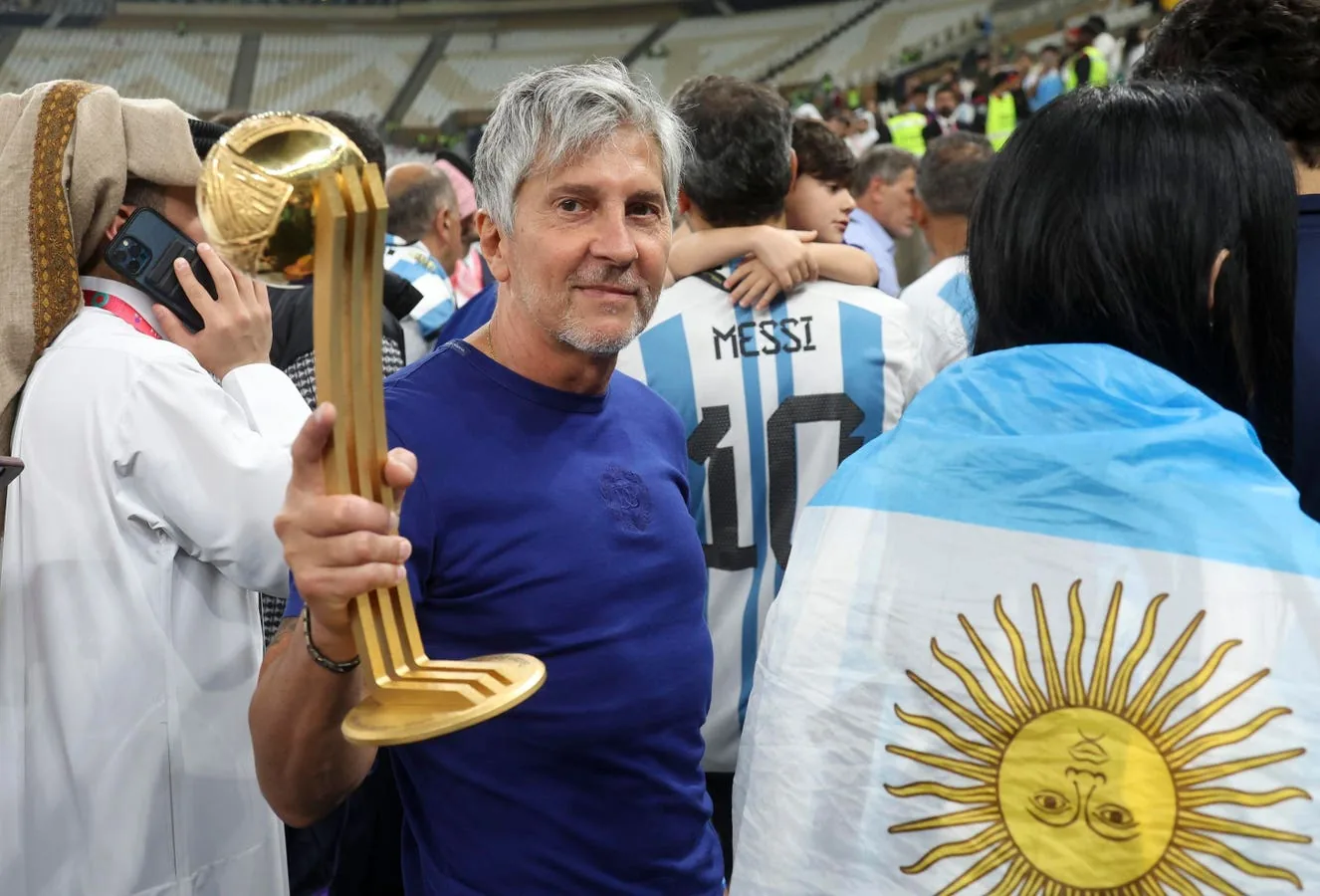
The 2026 World Cup, while delivering some memorable moments, was also characterised by significant off-field issues and compromises. The tournament concluded with Argentina’s victory over Spain in the final.
Read Also
Source: theguardian.com

Adam Rutherford is a Senior Football Correspondent at News-UK. He spent his early career filing match reports across the North West. He focuses on the Premier League, the EFL and the England national side and is known for clear, deadline-driven reporting. He holds a degree in Sports Journalism from Manchester Metropolitan University and completed an NCTJ diploma. Now based in Manchester, he coaches a youth team and watches grassroots football. “Every transfer window hides a dozen real stories.”