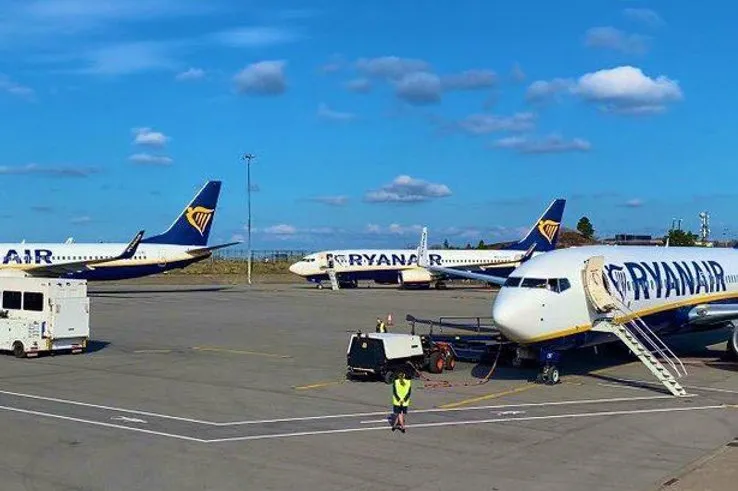

Wizz Air’s CEO, József Váradi, confidently dismissed bankruptcy claims made by Ryanair’s chief, Michael O’Leary, asserting that the airline is well-prepared for rising fuel prices due to its effective fuel hedging strategies.
The airline has hedged 70% of its fuel needs for the summer season, allowing it to pay just $700 per metric ton of jet fuel. This is significantly lower than the market price of around $1,700 at the time of the interview in March 2026. Váradi stated that Wizz Air does not anticipate running out of jet fuel amid current market fluctuations.
In response to O’Leary’s comments suggesting that two or three European airlines could face bankruptcy if oil prices remain high—potentially including Wizz Air—Váradi firmly countered that these assertions are “flatly untrue and false.” He emphasized Wizz Air’s operational stability and liquidity position.
Key facts about Wizz Air:
- The airline has a liquidity ratio higher than Ryanair’s, boasting €2 billion in cash.
- This summer, Wizz Air’s flight schedule is set to be 17% larger compared to last year.
- The carrier has hedged 86%, 71%, and 61% of its fuel needs in Q1, Q2, and Q3 of 2026 respectively.
Váradi expressed confidence in the airline’s future, stating, “Jet fuel traders will find alternative solutions; I don’t see disaster coming.” His remarks indicate a strong belief in Wizz Air’s ability to navigate the challenges posed by fluctuating oil prices.
Meanwhile, O’Leary maintains his stance on potential bankruptcies within the airline industry due to high operational costs. His comments highlight the ongoing challenges faced by European airlines amid rising jet fuel prices and geopolitical tensions affecting supply chains.
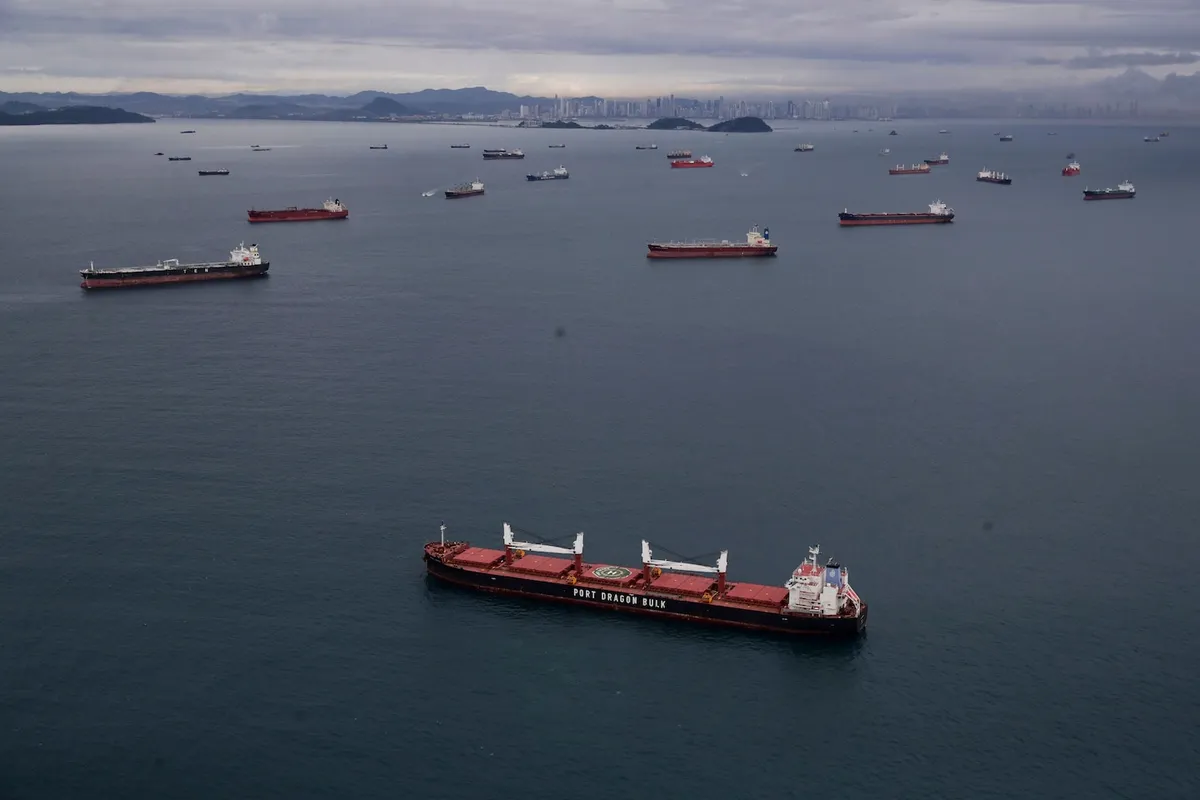
The ongoing conflict in Iran has disrupted shipments through the Strait of Hormuz, adding further instability to global oil markets. As these dynamics evolve, the future of fuel prices and their impact on airline operations remains uncertain.

Freya Donnelly is the Sports Reporter at News-UK, covering tennis, cricket and athletics with seven years of reporting experience. She reported on Team GB through an Olympic cycle. She holds a degree in Sport and Media from the University of Brighton and completed an NCTJ diploma. Based in Brighton, she plays club cricket in the summer. “Listening is the most underrated skill in sports reporting.”