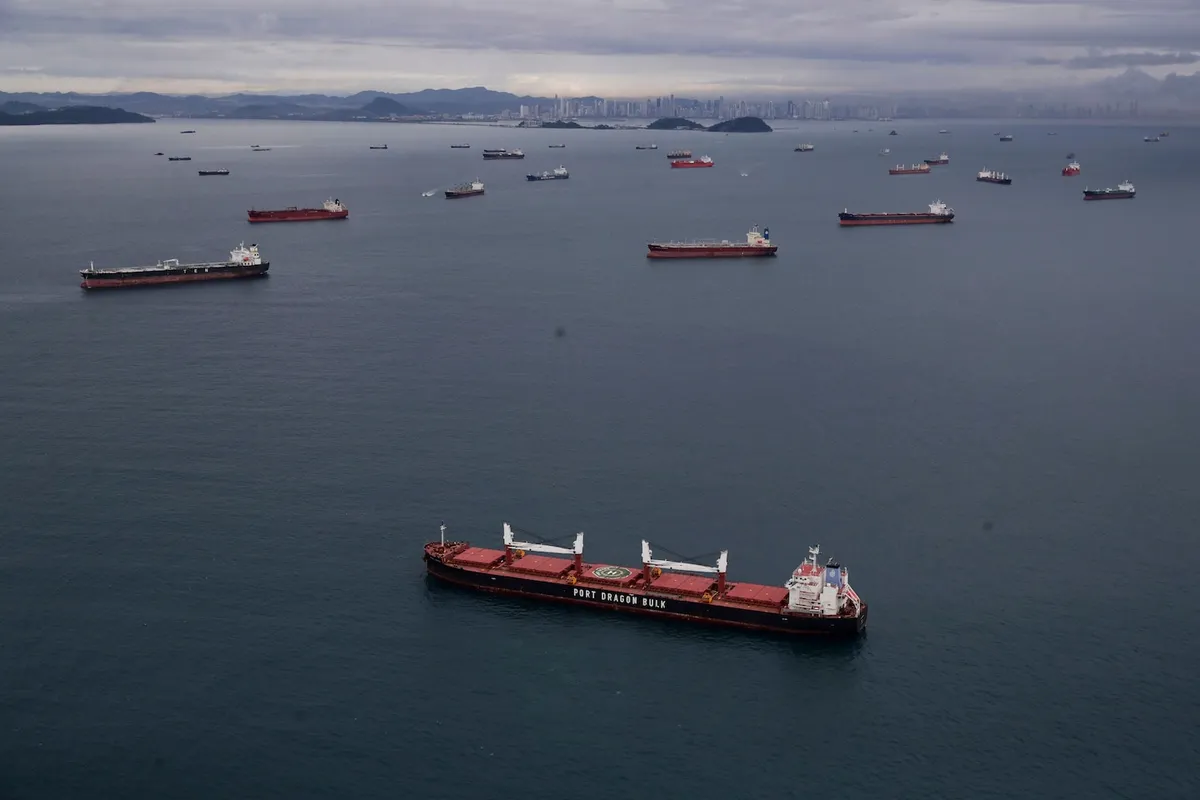

The Panama Canal dispute has escalated into a significant geopolitical confrontation between the United States and China, impacting global trade dynamics. This conflict centers around accusations of China detaining Panama-flagged ships, which China has denied. The situation highlights the strategic importance of the canal, a critical artery for maritime trade.
In January 2026, Panama’s Supreme Court annulled contracts allowing CK Hutchison to operate key ports, further complicating the landscape. The US and several Latin American nations condemned China’s actions regarding Panama-flagged vessels, emphasizing the economic pressure exerted on these ships. With nearly 70 such vessels detained in March 2026, this situation exceeds historical norms.
The Panama Canal is vital for about six percent of global trade. Recent statistics reveal an increase in daily transits through the canal—from an average of 34 in January to 37 in March 2026. Some vessels have even paid up to USD 4 million to bypass queues, reflecting the intense competition for shipping routes.
Marco Rubio remarked, “Panama is a pillar of our maritime trading system, and as such must remain free from any undue external pressure.” In contrast, Lin Jian stated, “The one who has politicised and securitised the issue of ports is the United States.” This divergence illustrates the conflicting narratives surrounding the canal’s operation.
Experts warn that given that Panama-flagged ships carry a meaningful share of US containerized trade, these actions could lead to significant commercial consequences for US shipping interests. Laura DiBella highlighted this risk by stating that these developments might have strategic repercussions.
The international community watches closely as this geopolitical standoff unfolds. No timeline has been shared regarding potential resolutions or further actions from either side. The next steps could shape not only regional but also global maritime policies.

As News-UK's Sports News Writer, Oscar Pennington reports on rugby union, golf and boxing for readers across the country. He built a reputation for sharp explainer pieces on regional sport. He holds a degree in Journalism from Nottingham Trent University and completed an NCTJ diploma. Oscar lives in Nottingham, where he follows the pro golf tour and amateur boxing. “Context is what turns a result into a story.”