
Uefa’s Continued Stance on Fifa Leadership
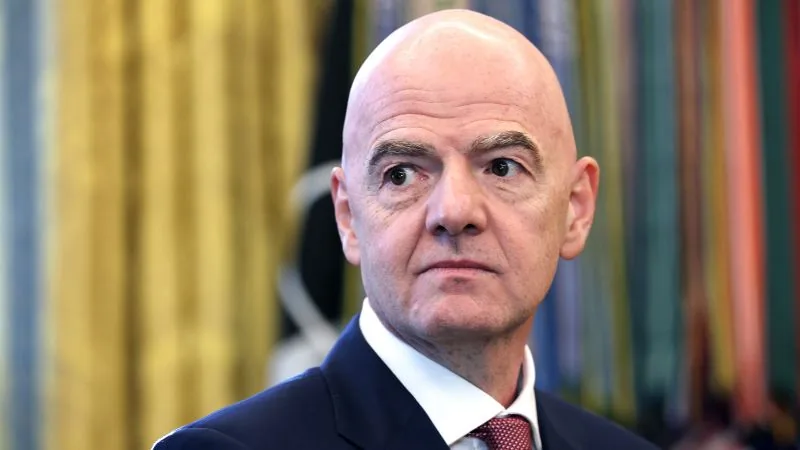
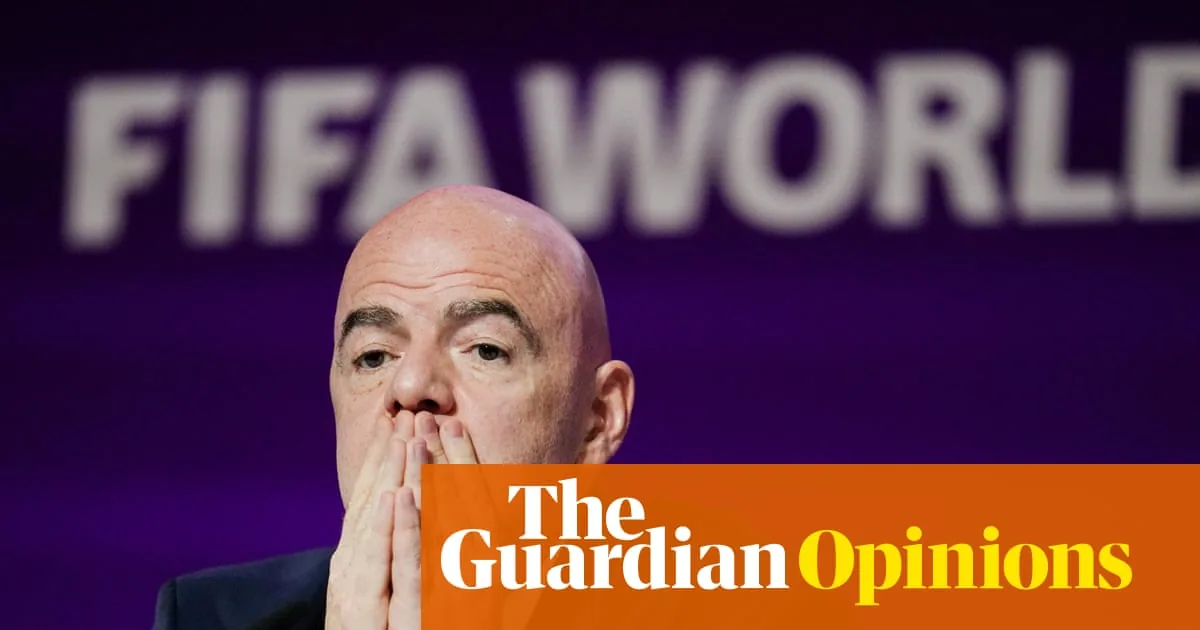
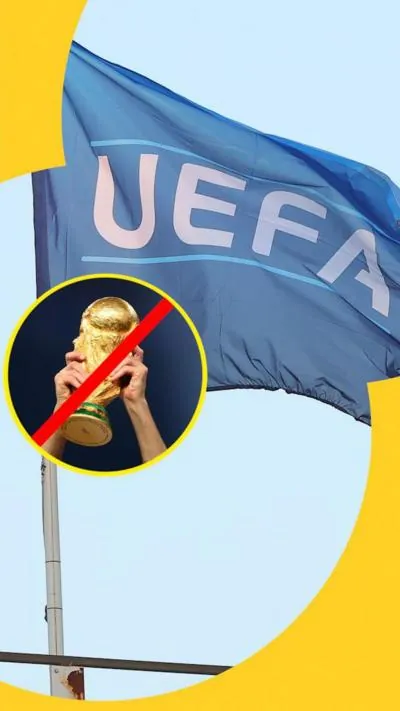
Uefa has maintained its position regarding Fifa president Gianni Infantino, stating that Fifa’s backing of its president “changes nothing” in their view. This comes after Fifa’s management board expressed “full support” for Infantino following his decision to withdraw plans to sell stakes in the World Cup to private investors. Uefa had previously declared a loss of confidence in Infantino’s presidency, a stance it reiterated, calling the initial proposal a “shabby, back room, opaque deal.”
The European governing body outlined two conditions for reversing its position: the withdrawal of proposals to sell major competitions and assurances that such attempts to “disfigure the game” would not happen again. Uefa stated that these conditions have not been met, despite the plans being aborted. The English FA has also formally withdrawn its support for Infantino’s re-election, scheduled for March 2027.
Wider Opposition and Calls for Reform
The global players’ union, FIFPRO, has also voiced strong criticism, condemning what it described as an “abuse of presidential power” by Infantino. FIFPRO called for changes at the top of Fifa and expressed deep concern over Fifa’s statement, which it believes attempts to cover up the situation. The union further demanded governance and structural reforms to prevent any individual from making unilateral decisions in the future.
FIFPRO highlighted that the plan to alter the ownership and governance of the World Cup was conceived in secrecy and brought close to agreement without consulting the Fifa Council, member associations, players, or other stakeholders. The union stated that this represents a profound abuse of presidential power and that Fifa’s current governance framework, which allows such a project to develop behind closed doors, must be reformed.
Potential Boycotts and Future Challenges
Uefa’s threat of a boycott of Fifa tournaments remains in place. The first test of this stance is anticipated at the upcoming Fifa Women’s U20 World Cup, which is set to begin on 5 September in Poland. Six European nations, including England, are scheduled to participate in this competition. The next significant test for senior national teams would be in October, when teams like England, Scotland, Wales, Northern Ireland, and the Republic of Ireland are slated to compete in play-offs for qualification to the 2027 Fifa Women’s World Cup.
Despite the criticisms, Infantino has received support from Fifa’s management board, though he apologised for “mistakes” made in the process of the aborted stake sale plans. Fifa also issued a statement indicating it would “no longer tolerate any attacks on its integrity” and would take measures to protect its reputation. However, Uefa continues to seek answers to key questions regarding the aborted plan and will not be content until these are provided or Infantino leaves his position.
The situation highlights a significant division within global football governance, with Uefa exploring options such as an emergency meeting of the Fifa Council or a vote of no confidence. However, securing the necessary support from other confederations and member associations has proven challenging. Concacaf, for instance, issued a public statement after the proposal was withdrawn but did not go as far as Uefa in expressing a loss of confidence in the Fifa president.
The president of the Gambia Football Federation, Lamin Kaba Bajo, praised Infantino’s “courage” and expressed continued support. Only Jordan, among the few countries that did not back Infantino previously, has publicly stated it will not vote for his re-election in March. The ongoing dispute underscores the complex political landscape within international football, with significant implications for future tournaments and governance structures.
Fifa also promised a review would be conducted into the fiasco and a report into its findings presented at the next Fifa Council, comprising 37 national representatives from around world football.
The controversy has also seen figures like Arsene Wenger, Fifa’s chief of global football development, publicly distance himself from the plans, and Infantino’s personal senior advisor, Carlos Cordeiro, resigned on July 31, labelling the proposals a “bad deal” and “irresponsible.”
The situation remains fluid, with Uefa’s stance set to be tested with the upcoming Fifa Women’s U20 World Cup in Poland on 5 September.
Source: bbc.co.uk

As News-UK's Sports News Writer, Oscar Pennington reports on rugby union, golf and boxing for readers across the country. He built a reputation for sharp explainer pieces on regional sport. He holds a degree in Journalism from Nottingham Trent University and completed an NCTJ diploma. Oscar lives in Nottingham, where he follows the pro golf tour and amateur boxing. “Context is what turns a result into a story.”