
Ferrari’s Friday Practice in Belgium
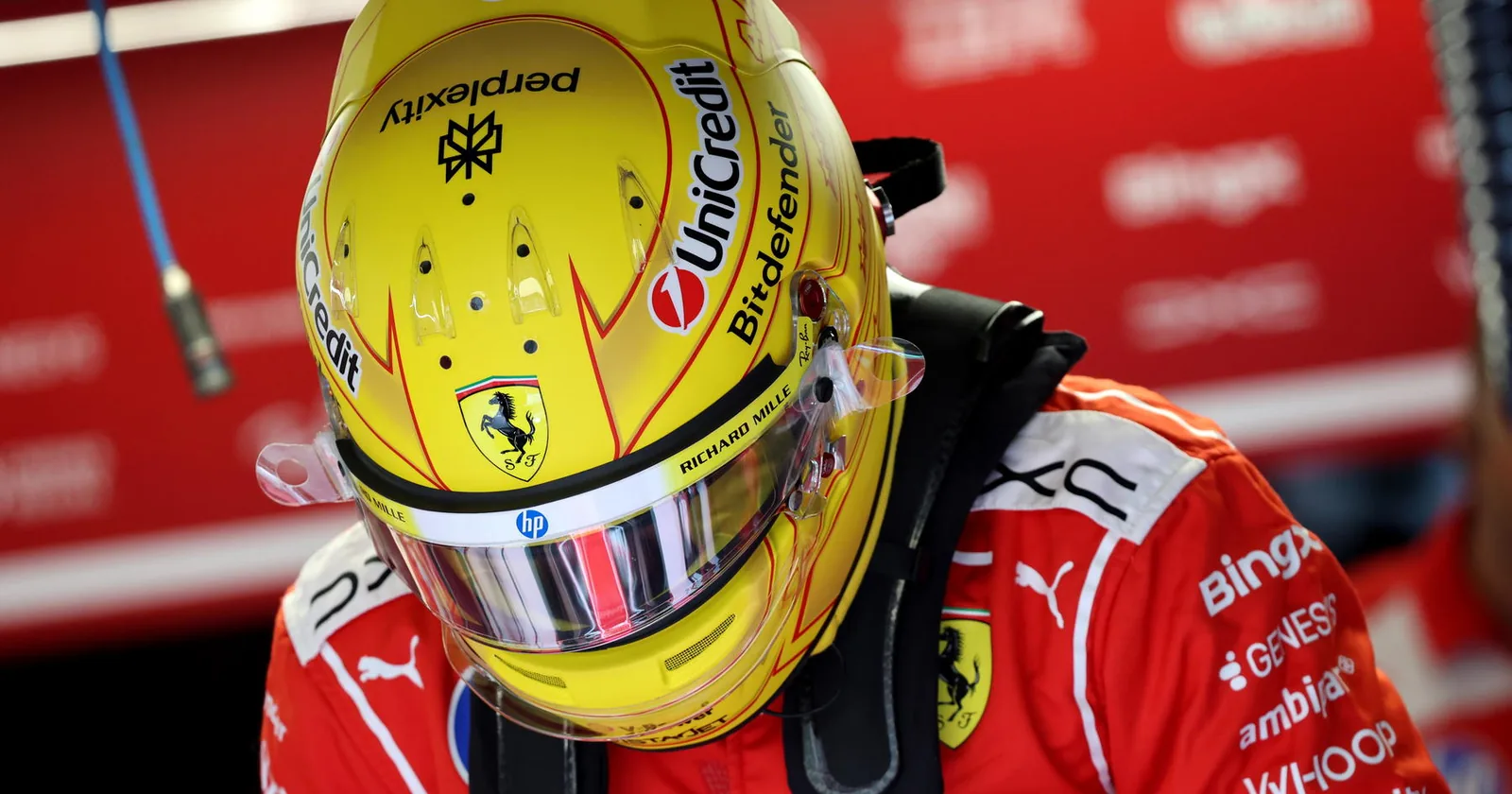
Lewis Hamilton expressed optimism regarding Ferrari’s potential to address early challenges at the Belgian Grand Prix. Despite some difficulties during Free Practice, Hamilton believes the team can implement necessary adjustments to improve their performance. The initial Free Practice 1 session saw Hamilton secure P2, finishing 0.145s behind Max Verstappen’s time, with teammate Charles Leclerc in P3.
However, the team’s performance in the subsequent session, Free Practice 2, showed a decline. Hamilton finished in fourth place, while Leclerc struggled to place within the top 10 after his fastest lap on soft tyres was removed. This placed Ferrari behind drivers from Mercedes, Red Bull, and McLaren in the later session.
Hamilton remained content with the overall progress, describing it as a “pretty good day in general” with “relatively clean sessions.” He noted that the team made some changes for FP2, and while the gap to competitors appeared larger than anticipated, he hopes to close it in the upcoming sessions. Hamilton acknowledged that the car felt “pretty decent” but identified a specific issue in the middle sector of the track.
Addressing the Middle Sector Challenge
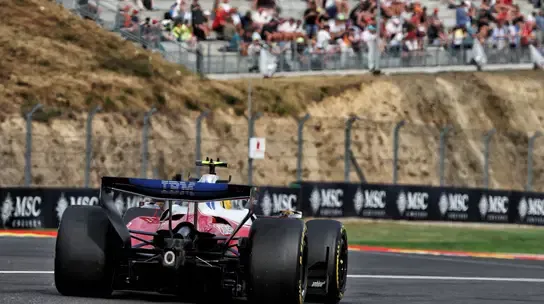
Hamilton highlighted that a significant portion of the lap time loss occurred in the middle sector of the Spa-Francorchamps circuit. He was over seven-tenths of a second behind session leader Kimi Antonelli in Free Practice 2, with a six-tenths deficit to the Mercedes driver in that specific sector alone. Despite this, Hamilton indicated that straight-line performance, a previous weakness for Ferrari, was not a primary concern on Friday.
He stated that the team would conduct a “deep dive” to understand and resolve the speed loss in the middle sector. Hamilton suggested that the issue might be related to downforce, explaining that while more load on the car could be beneficial, it must be balanced with maintaining speed on the straights. The goal is to improve the middle sector without compromising performance in other areas of the track.
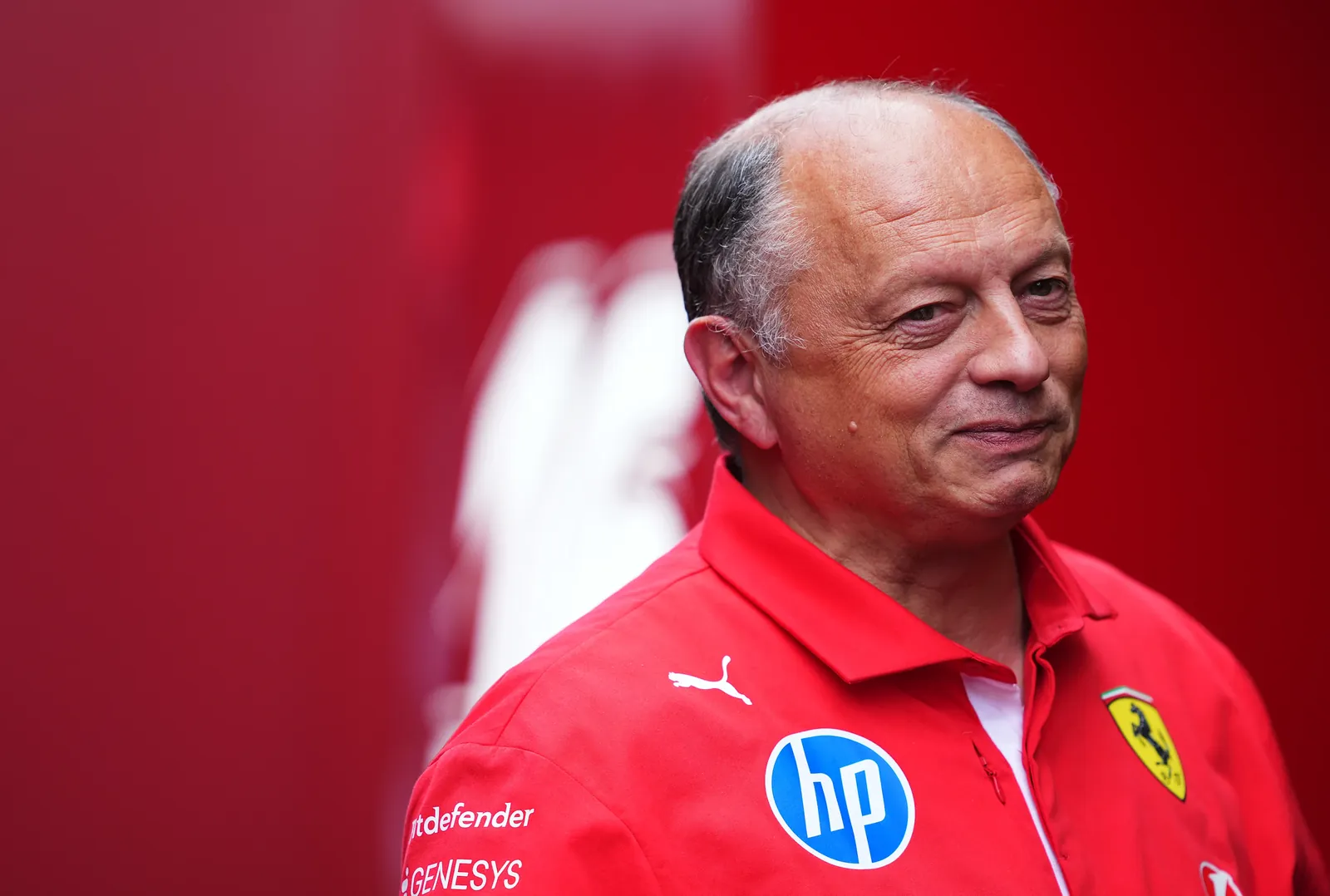
Team Principal Fred Vasseur also acknowledged the challenges, noting that Friday’s results are not always indicative of qualifying performance. He emphasised that fuel loads can significantly impact competitiveness, making direct comparisons with other teams difficult. Vasseur stressed the importance of focusing internally and making the most of their current setup, with considerable work ahead for the team.
Looking Ahead to Qualifying
The team aims to make substantial improvements overnight before Saturday’s qualifying session. Hamilton recognised the strong performance of other teams, particularly Red Bull and Mercedes, which showed increased pace in the sessions, as well as McLaren. The focus for Ferrari will be on optimising the car’s setup to compete effectively.
Vasseur’s perspective suggests that despite the fluctuating results on Friday, the team remains hopeful for a stronger showing in qualifying. He pointed out that recent race weekends have shown that Friday’s classifications are not always representative of the final outcomes. The team has a lot of work to do to prepare for the upcoming sessions.
Hamilton’s commitment to a “deep dive” into the car’s data underscores Ferrari’s determination to address the identified issues and enhance their performance at the Belgian Grand Prix.
The team will be working to make adjustments ahead of qualifying on Saturday.
Read Also
- Royal Birkdale: Bryson DeChambeau disputes two-shot penalty at The Open
- Tom Pidcock makes significant gains in Tour de France general classification
- Aston Villa secure Johan Manzambi in club-record deal, beating Newcastle to signing
- President Donald Trump questions Harry Kane's defensive role for England in World Cup semi-final
Source: formula1.com

Freya Donnelly is the Sports Reporter at News-UK, covering tennis, cricket and athletics with seven years of reporting experience. She reported on Team GB through an Olympic cycle. She holds a degree in Sport and Media from the University of Brighton and completed an NCTJ diploma. Based in Brighton, she plays club cricket in the summer. “Listening is the most underrated skill in sports reporting.”