
Call for Reconsideration of World Cup Bid
Spain’s junior government partner, Sumar, has called for the country to reconsider its joint bid with Morocco and Portugal to host the 2030 World Cup. This appeal follows a significant migration crisis in the Spanish enclave of Ceuta. Sumar, a left-wing party with ministerial positions in Prime Minister Pedro Sánchez’s government, tabled a non-binding motion in the Spanish Parliament on Wednesday, urging sports authorities to revisit the co-hosting plans.
The motion was introduced after tens of thousands of individuals crossed the Moroccan border into Ceuta. While Mr. Sánchez has stated that Moroccan authorities assisted in the return of nearly all 72,000 individuals, Spain’s Interior Ministry reports that approximately 2,000 people, including 1,000 minors, remain in Ceuta. Opposition figures have requested a more detailed explanation from Morocco regarding its response to the crisis.
Nahuel González, a Sumar MP and co-author of the motion, accused Morocco of using migration for political pressure. He clarified that Sumar asks Spain’s sports institutions to reconsider the World Cup bid with Morocco to uphold human rights. In Portugal, the parliamentary party Livre also expressed concerns, sending a letter to Prime Minister Luís Montenegro and the President of the Portuguese Football Federation, deeming the bid “unsustainable” after the events in Ceuta.
Stadium Challenges and FIFA Standards
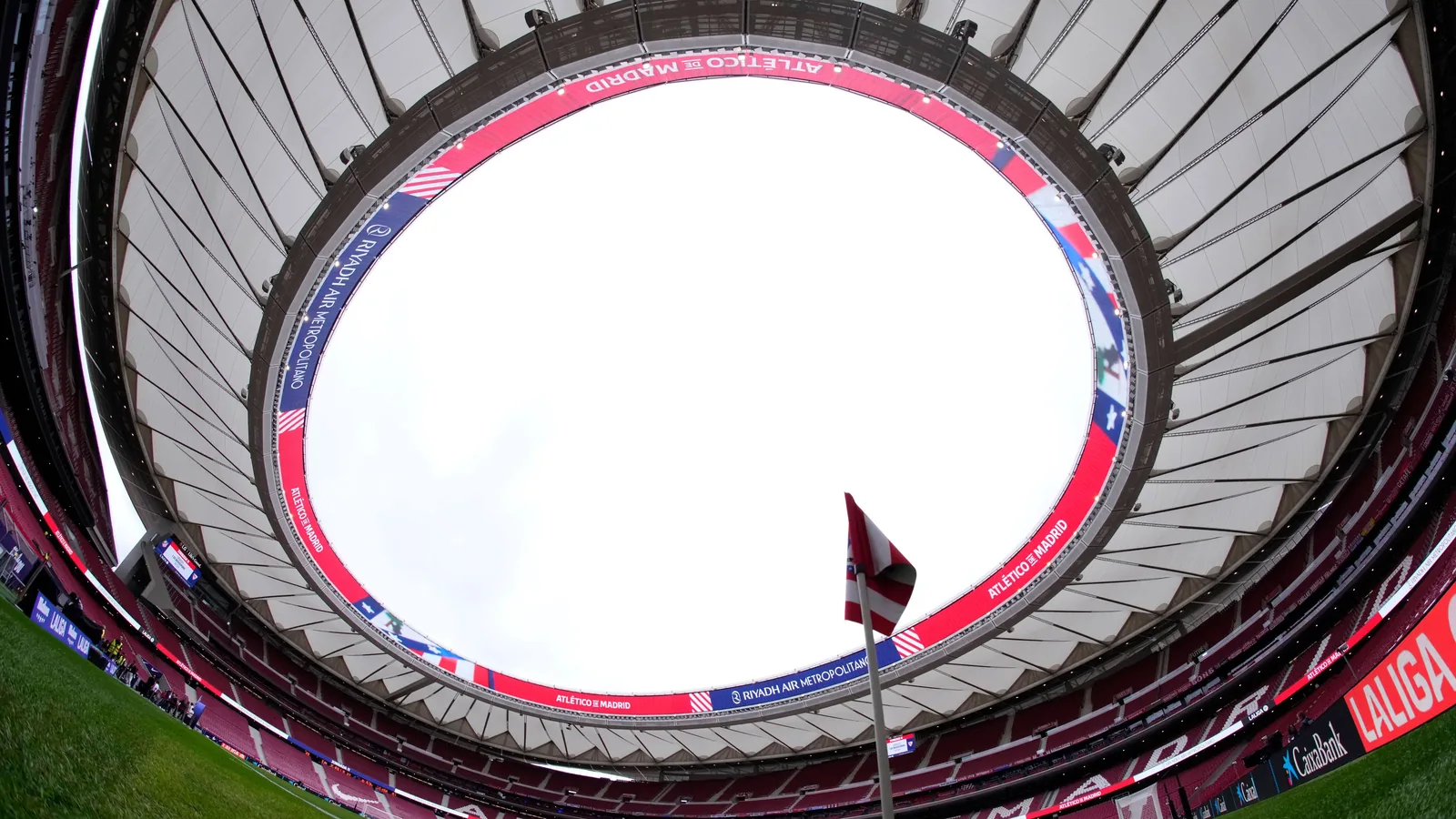
The co-hosting nations face challenges in meeting FIFA’s strict standards for the 2030 World Cup. Initially, Spain proposed eleven stadiums, but La Coruña and Málaga have already withdrawn their bids. The Spanish federation anticipates that FIFA will further reduce the number of stadiums in both Spain and Morocco. Of the nine remaining Spanish venues, at least two or three are expected to be cut, with a similar review likely for Moroccan facilities.
Stadiums like Spain’s Anoeta are at the maximum capacity threshold required by FIFA, a situation that may also apply to some Moroccan grounds needing significant upgrades. Journalist Antón Meana suggested that Vigo’s chances of hosting are not strong, while Valencia has better prospects. He noted that reaching eight stadiums in total would be an achievement for Spain. This potential reduction could also impact Moroccan cities that made initial planning investments without final guarantees.
Both countries must coordinate precisely to present a balanced bid, ensuring that FIFA’s demands for transport, hotels, and security zones are met. Cities in either nation unable to quickly meet these criteria may face withdrawal or exclusion from the bid. The majority of the 2030 World Cup is planned to be co-hosted by Spain, Morocco, and Portugal, with Argentina, Paraguay, and Uruguay each staging a single game to commemorate the centenary of Uruguay hosting the inaugural World Cup in 1930.
Potential Final Venue Controversy
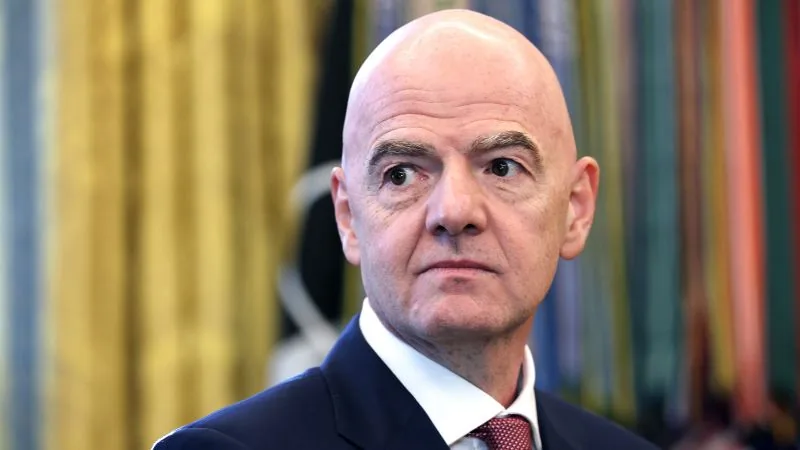
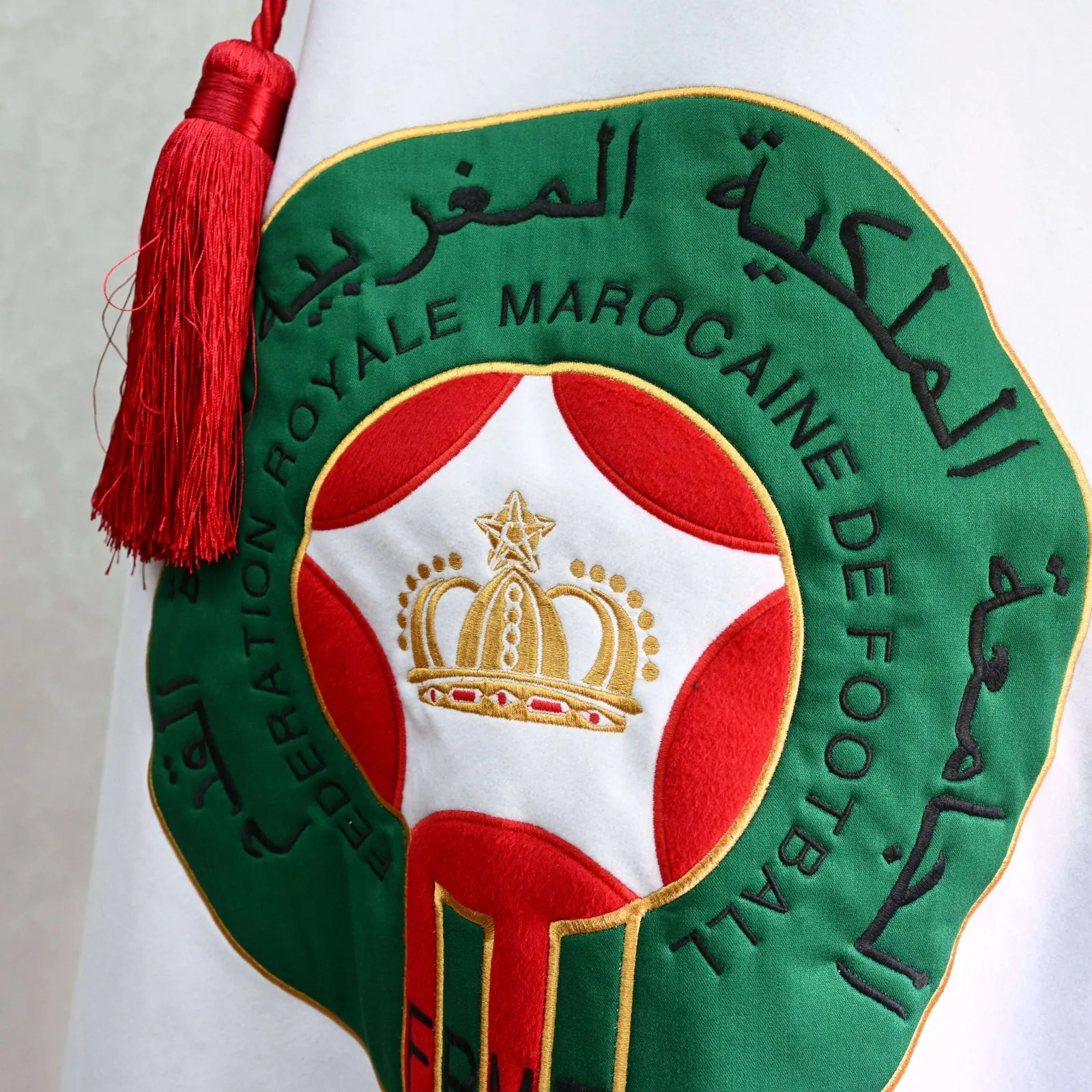
A potential point of contention has emerged regarding the venue for the 2030 World Cup final. Reports suggest that FIFA President Gianni Infantino could offer the final to Morocco, despite Spain’s expectation of hosting the event. Morocco has been advocating for the final to be held at the new Hassan II Stadium in Casablanca, which is projected to be the world’s largest football stadium with 115,000 seats upon completion.
This offer from Infantino is reportedly in exchange for Morocco’s support since his appointment in 2016. This development contrasts with the general consensus that Real Madrid’s Bernabéu in Spain would be the chosen destination for the final. Earlier this year, Spanish FA president Rafael Louzan had insisted that Spain would lead the 2030 World Cup and host its final.
These discussions come as Infantino held a meeting in Rabat on Wednesday with FIFA staff. The meeting aimed to address pressure on his presidency following controversial plans to sell stakes in the World Cup. These proposals, known as the FIFA Forward Enterprise, were met with strong opposition, particularly from European officials, and were ultimately scrapped on Friday.
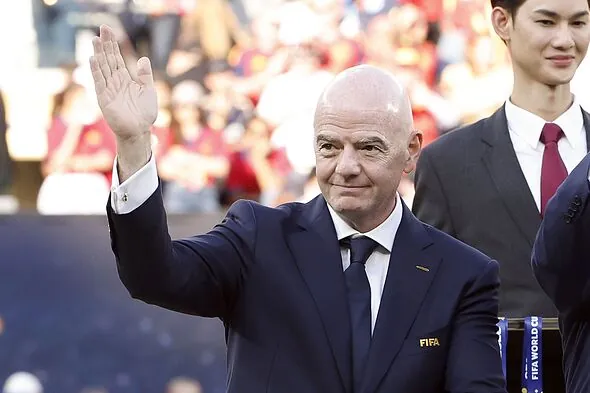
A statement from UEFA indicated that its national teams would not participate in any FIFA competition if these proposals remained active, asserting that the FIFA World Cup belongs to football and will not be for sale. In response, Infantino released a statement acknowledging the divisions created by the project and confirmed that the proposal would not proceed, aiming to reunite interested parties in the coming days and weeks.
Source: independent.co.uk

Adam Rutherford is a Senior Football Correspondent at News-UK. He spent his early career filing match reports across the North West. He focuses on the Premier League, the EFL and the England national side and is known for clear, deadline-driven reporting. He holds a degree in Sports Journalism from Manchester Metropolitan University and completed an NCTJ diploma. Now based in Manchester, he coaches a youth team and watches grassroots football. “Every transfer window hides a dozen real stories.”