
The 2026 film adaptation of Emily Brontë’s classic novel Wuthering Heights has ignited controversy due to its anachronistic elements and casting decisions. Directed by Emerald Fennell, the film features Margot Robbie as Catherine Earnshaw and Jacob Elordi as Heathcliff, stirring discussions among fans and critics alike.
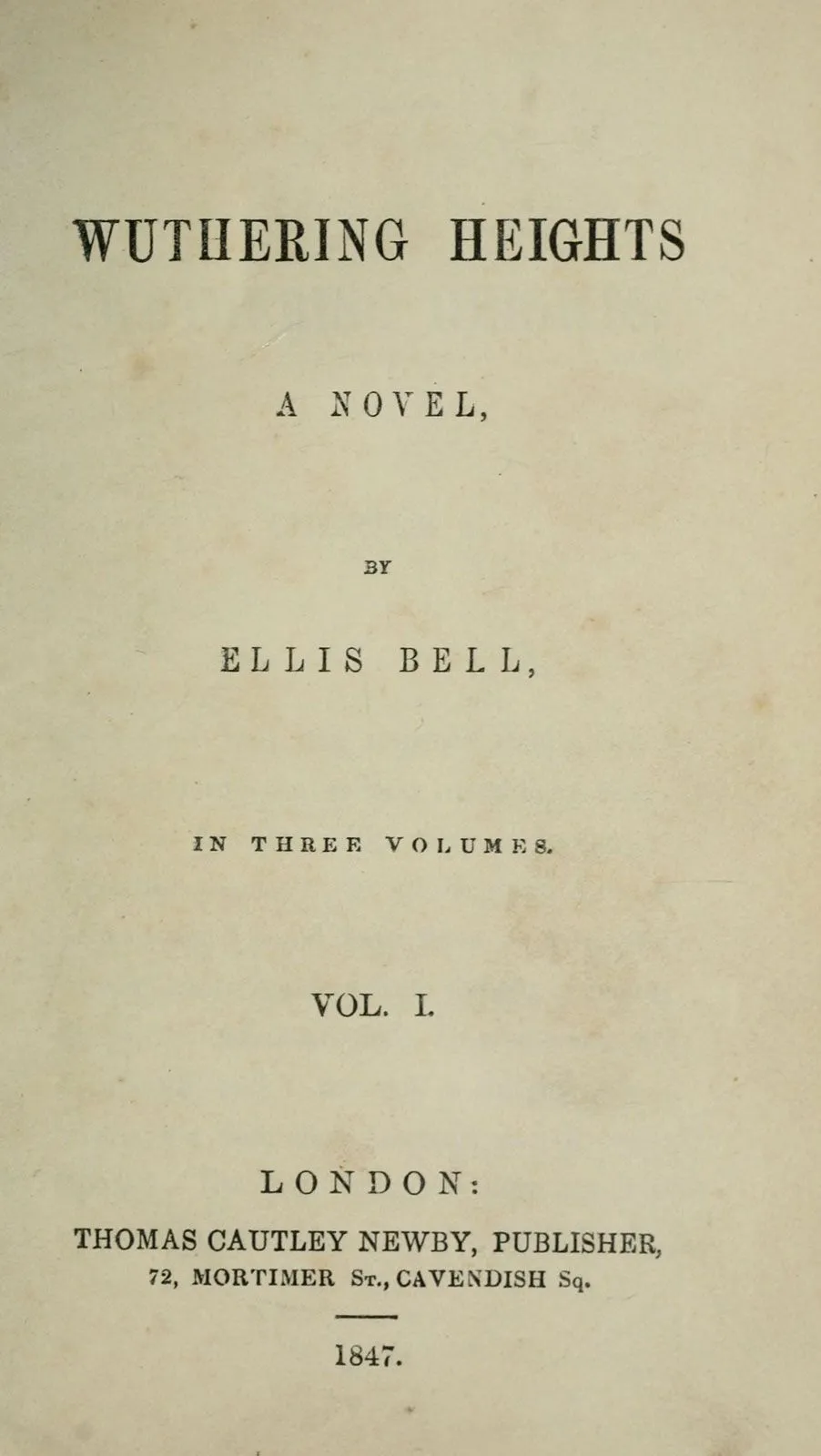
Emily Brontë originally published Wuthering Heights in 1847 under the pseudonym Ellis Bell. The novel centers on the tumultuous relationship between Catherine Earnshaw and Heathcliff, a foundling described as having dark skin and possibly of Roma origin. This complex narrative has led to its classification as Gothic fiction, marked by themes of passion, revenge, and the supernatural.
In recent months, critics have raised eyebrows at several aspects of the new adaptation. Notably, it includes scenes depicting masturbation and sadomasochism—elements that diverge significantly from Brontë’s original text. Some argue that these additions cater to contemporary audiences rather than honoring the source material.
Despite the backlash, the film has achieved commercial success, surpassing $240 million at the global box office shortly after its release. This financial achievement indicates a significant interest in Brontë’s work, albeit through a modern lens.
Emerald Fennell commented on her vision for the adaptation, stating, “What I can say is I’m making a version of it. There’s a version that I remembered reading that isn’t quite real.” This statement reflects her intention to reimagine the story for a new generation.
Catherine Earnshaw’s famous line—”I am Heathcliff! He’s always, always in my mind”—captures the essence of their connection. Yet how this connection translates on screen remains a point of contention among purists who fear that the film may stray too far from its roots.
As discussions continue about the film’s portrayal of beloved characters and themes, David Rooney remarked that it is “Wuthering Heights for the Bridgerton generation, guaranteed to moisten tear ducts and inflame young hearts.” This perspective suggests that while some may find fault with the adaptation’s liberties, others appreciate its appeal to modern sensibilities.
The debate surrounding this adaptation illustrates broader tensions in how classic literature is interpreted in contemporary culture. As audiences engage with these adaptations, they often grapple with balancing fidelity to original texts against creative reinterpretation.

Martha Kingsley is a Birmingham-based writer for News UK covering community, education and local affairs across the UK.