
Cyprus is grappling with a significant drop in tourism bookings due to geopolitical instability in the Eastern Mediterranean, while simultaneously dealing with a challenging livestock culling crisis. The situation has raised alarms among local authorities and farmers alike.
Recent data reveals that the UK has reported a 60% drop in tourism bookings for Cyprus. British travelers are hesitant to visit the island, citing concerns over safety and stability.
In addition to tourism woes, Cyprus faces a severe livestock crisis. The government has ordered the culling of approximately 38,900 sheep and goats, 2,247 cattle, and 21,500 pigs. This drastic measure follows an outbreak that has impacted local farms significantly.
The government insists on adhering to EU veterinary protocols, which has frustrated many farmers. They express dissatisfaction with the lack of clear information regarding compensation for their losses.
The Cyprus Livestock Association has voiced concerns about the economic repercussions of this culling. Farmers are calling for more transparency from authorities as they navigate this crisis.
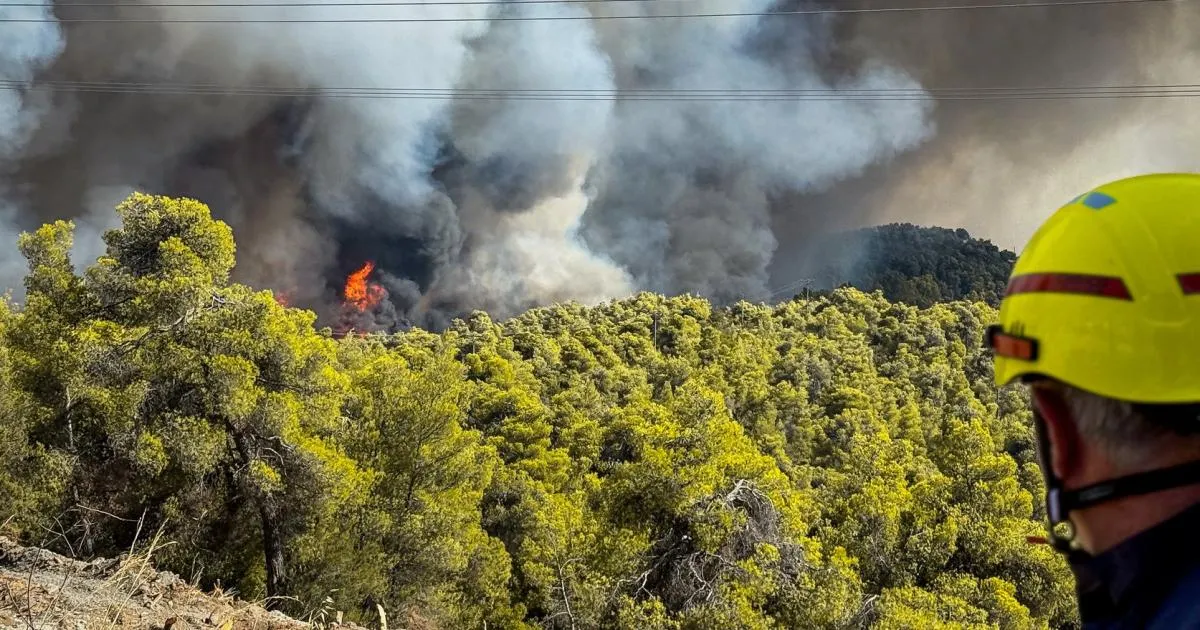
Meanwhile, on May 6-7, 2026, Commissioner Hadja Lahbib will visit Cyprus to address various issues, including fire risk management. This visit coincides with the 3rd Euro-Mediterranean Workshop on Fire Risks, co-organized by the European Commission and Cyprus.
This workshop aims to tackle challenges related to wildfires and industrial fire risks. A new firefighting hub will also be established near Paphos to enhance local capabilities.
Despite these efforts, experts have dismissed claims that alternative EU protocols exist for managing the current livestock crisis. Dimitris Epaminondas, head of the Pancyprian Veterinary Association, emphasized that following existing regulations is crucial.
The Cypriot government continues to monitor both the tourism sector and agricultural crisis closely. However, no plans for a new meeting between President of Cyprus and farmers have been announced at this stage.
The UK government has advised British tourists to remain vigilant and follow instructions from local authorities during their travels. As the situation unfolds, officials are hopeful for recovery in both tourism and agriculture sectors.

Adam Rutherford is a Senior Football Correspondent at News-UK. He spent his early career filing match reports across the North West. He focuses on the Premier League, the EFL and the England national side and is known for clear, deadline-driven reporting. He holds a degree in Sports Journalism from Manchester Metropolitan University and completed an NCTJ diploma. Now based in Manchester, he coaches a youth team and watches grassroots football. “Every transfer window hides a dozen real stories.”