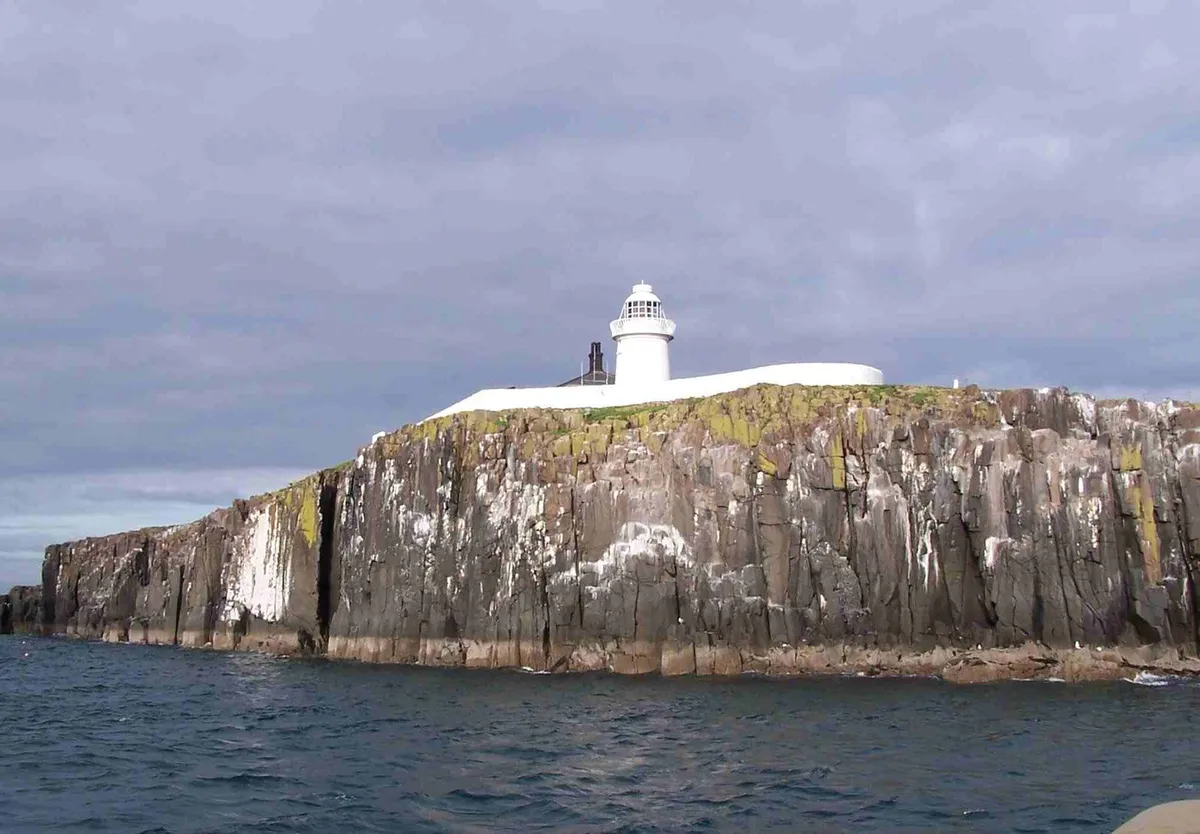

The National Trust’s Puffin Cam returns for its second season, providing a unique live view of seabird antics on the Farne Islands. This initiative aims to highlight the challenges faced by these birds amid recent bird flu outbreaks and extreme weather conditions.
Laura Knowles, a representative from the National Trust, remarked, “The breeding season is always a special time of year as our ranger teams gear up to monitor the birds daily over the spring and summer months.” The Farne Islands host around 200,000 seabirds, including puffins, Arctic terns, guillemots, and kittiwakes.
In recent years, the islands have seen significant mortality rates due to bird flu. In 2022 alone, over 6,000 dead birds were recorded. This number decreased slightly in 2023, with more than 3,500 fatalities documented. Sophia Jackson noted, “We’ve been closely monitoring the impact of bird flu as part of international research into the disease.” Rangers will conduct bird counts next month to evaluate how these factors have affected seabird populations.
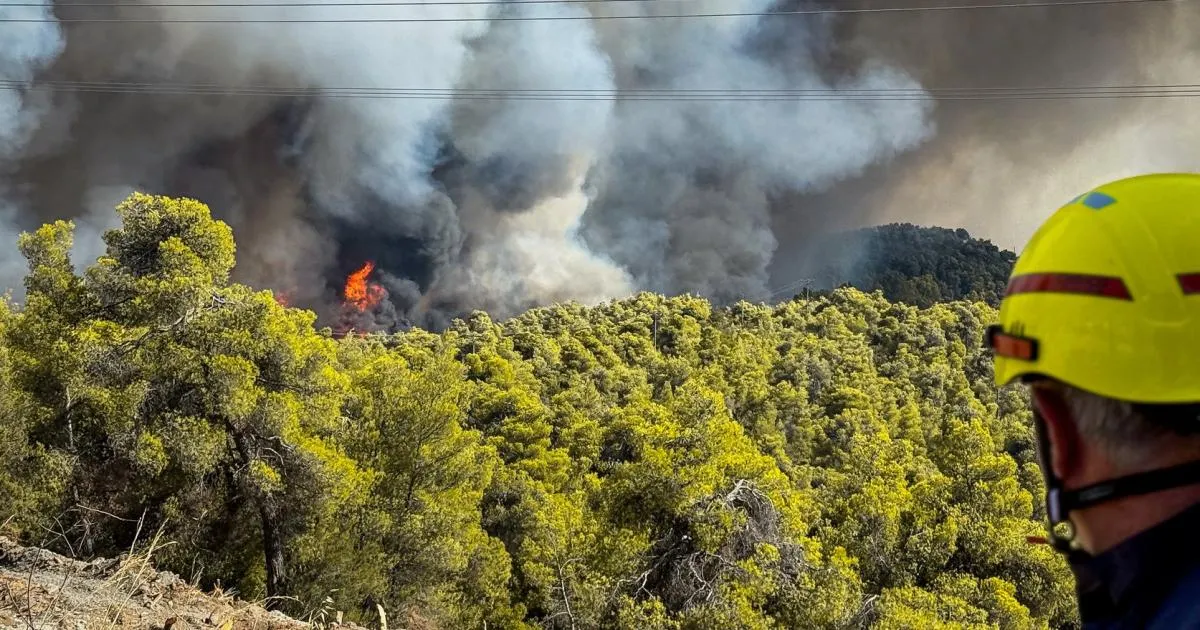
Severe storms—specifically Storms Goretti, Ingrid, and Chandra—have also caused damage to wildlife along the Atlantic coast of the UK and Europe. The National Trust has cared for the Farne Islands for over a century and continues to prioritize wildlife conservation efforts.
The live stream of the puffins attracted over a quarter of a million views last year. Knowles emphasized its significance by stating, “Puffin Cam is a simple but powerful way to share the magic of Farne Islands wildlife with everyone, wherever they are.” This year’s streaming coincides with the reopening of visitor boats for the season.
Despite the challenges posed by bird flu and severe weather conditions, there are signs of resilience among seabird populations. However, Ben McCarthy expressed uncertainty about their future: “We don’t yet know what this means for the puffin and other seabirds which are returning to breed on the Farnes this year.”
The National Trust plans to take Puffin Cam on a UK tour as part of its Window to the Wild project. Annual seabird counts will be completed in June to assess current population health and dynamics.

Adam Rutherford is a Senior Football Correspondent at News-UK. He spent his early career filing match reports across the North West. He focuses on the Premier League, the EFL and the England national side and is known for clear, deadline-driven reporting. He holds a degree in Sports Journalism from Manchester Metropolitan University and completed an NCTJ diploma. Now based in Manchester, he coaches a youth team and watches grassroots football. “Every transfer window hides a dozen real stories.”