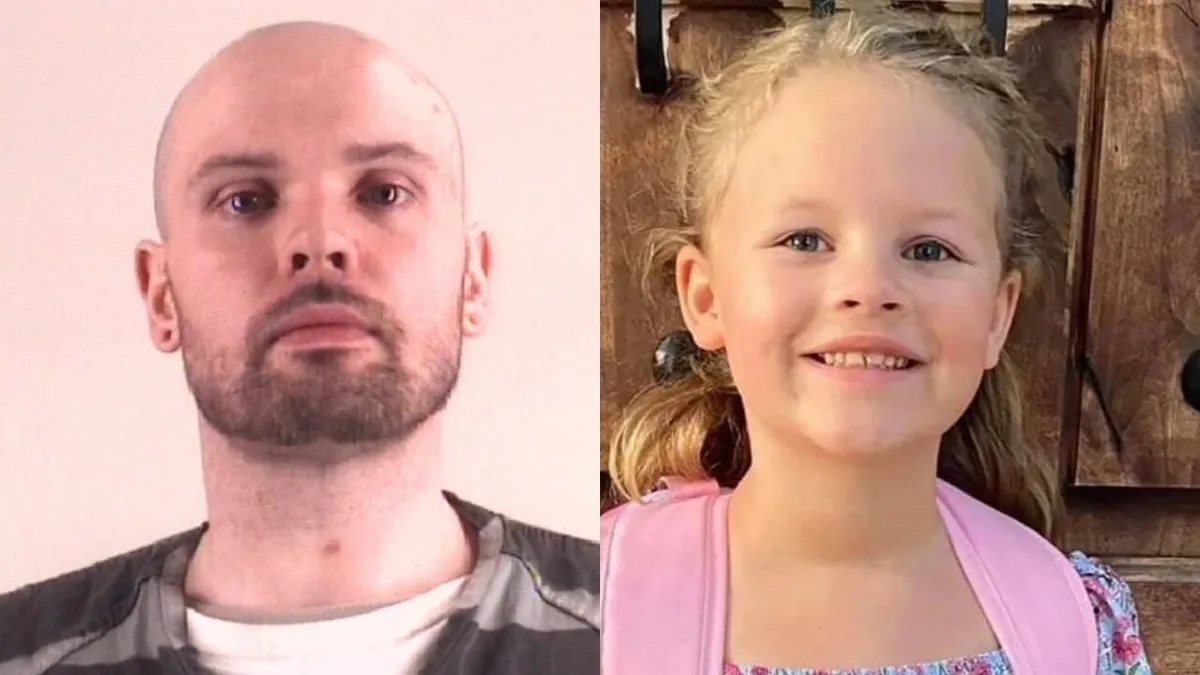

Tanner Lynn Horner, a former FedEx driver, received a death sentence on May 5, 2026, after pleading guilty to the capital murder of 7-year-old Athena Strand. His confession came just as his trial began, revealing a shocking narrative surrounding Athena’s tragic disappearance.
Athena vanished from her home on November 30, 2022. Horner had delivered a package to the Strand residence that day. Shortly after her disappearance, he confessed to police that he had taken her and admitted she was dead. He claimed he accidentally struck her with his van and panicked, which led to her murder.
In the trial that commenced on April 7, 2026, evidence presented over two weeks included testimonies from family members and psychologists detailing Horner’s troubled upbringing. The jury deliberated for less than three hours before deciding on the death penalty. They concluded that Horner’s actions constituted aggravated kidnapping and capital murder of a person under ten years old.
Horner led authorities to the location where Athena’s body was found in water approximately 15 miles from her home. His mental health history played a significant role in the trial; he had been diagnosed with bipolar I disorder, generalized anxiety disorder, and autism. Additionally, his family history included allegations of childhood sexual assault.
Detectives revealed chilling details about the crime: “When he attempted to break Athena’s neck, it did not work, so he strangled her with his bare hands in the back of the FedEx van.” This testimony highlighted the brutality of Horner’s actions and underscored the severity of his sentence.
The case has drawn significant media attention and public outrage due to its nature and the age of the victim. Jacob Strand, Athena’s father, expressed hope that “the jury and justice system make the right decision,” emphasizing the emotional weight carried by this case.
Horner’s grandmother described him as a pleasant young man who could solve problems with peers but acknowledged that their family faced ongoing struggles. The complexities surrounding his mental health and familial issues paint a troubling picture of both Horner and his actions.
As this case concludes with a death sentence for Tanner Horner, it raises broader questions about mental health evaluations in criminal cases and how they intersect with violent crimes against children.

Freya Donnelly is the Sports Reporter at News-UK, covering tennis, cricket and athletics with seven years of reporting experience. She reported on Team GB through an Olympic cycle. She holds a degree in Sport and Media from the University of Brighton and completed an NCTJ diploma. Based in Brighton, she plays club cricket in the summer. “Listening is the most underrated skill in sports reporting.”