
Thousands of UK firms are facing collapse as a financial crisis deepens amid rising tax burdens and the ongoing conflict in the Middle East. The situation has escalated significantly in early 2026, with many businesses struggling to survive.
The latest report from Begbies Traynor Group reveals that the number of UK businesses in ‘critical financial distress’ surged by 36.9%, reaching a total of 62,193 in the first quarter compared to the same period last year. This alarming trend highlights a broader issue affecting various sectors.
In addition, the number of businesses experiencing ‘significant’ financial distress rose by 9.6% year-on-year, totaling 634,867. Among these, 69.3% of hotels and accommodation firms reported being in a critical position, alongside 65.9% of leisure and culture firms and 51% of sports and health club businesses.
Tax increases have played a significant role in this crisis, with businesses facing a series of adjustments throughout the year, including changes to national insurance contributions. These rising costs have further strained resources and affected consumer confidence.
The ongoing conflict in the Middle East has compounded these economic pressures, with experts warning that the shockwaves will impact every corner of the global economy for some time to come. Ric Traynor from Begbies Traynor noted that “the shockwaves from a war in the Middle East will be felt across every corner of the global economy for some time to come.”
As businesses struggle, analysts anticipate an increasing number of ‘zombie’ companies—those that can barely cover their debt obligations—will likely fail this year. Julie Palmer from Begbies Traynor stated, “Inevitably we expect to see an increasing number of ‘zombie’ businesses tipped over the edge this year.”
The Financial Stability Board (FSB) continues to monitor vulnerabilities within the financial system as it evolves from its original role into a central hub for reviewing international financial standards. This shift underscores the urgency for robust oversight amid rising economic instability.
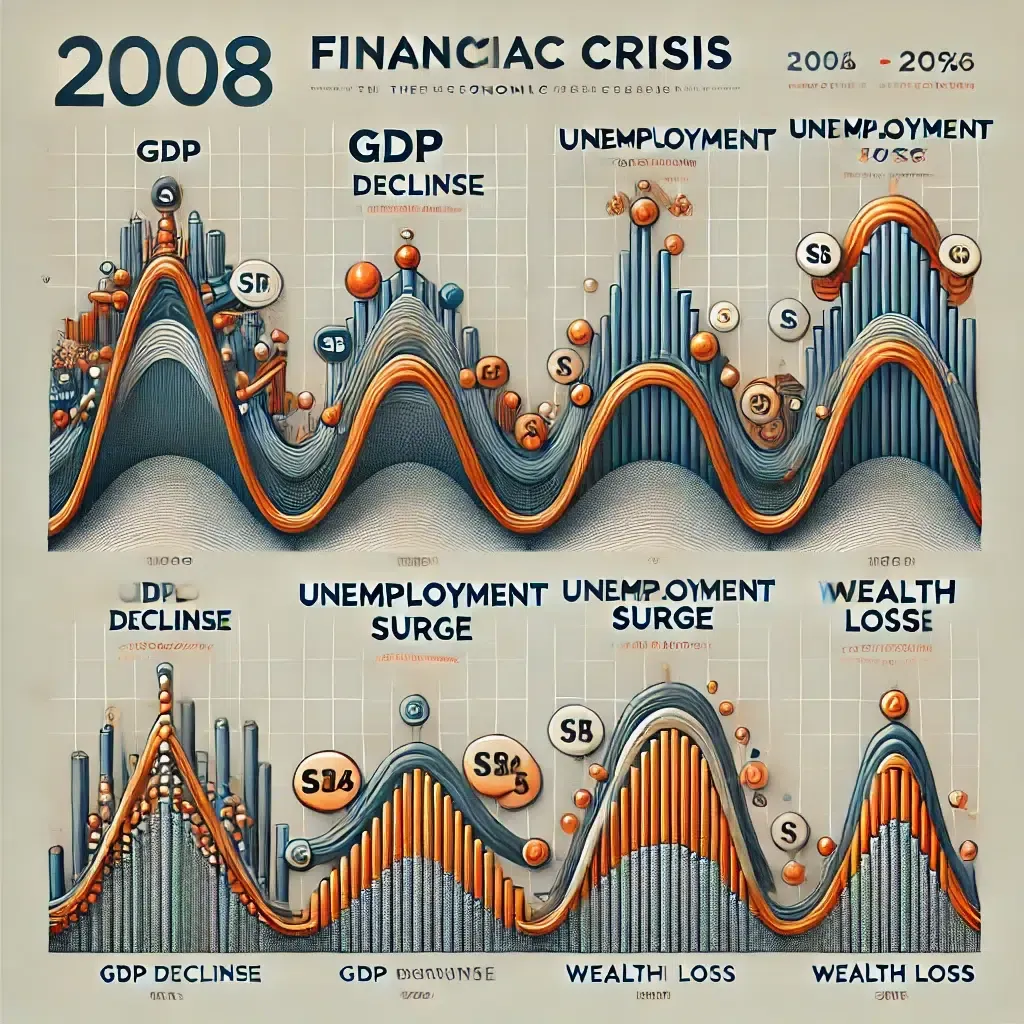
Experts have drawn parallels between current conditions and past crises. An unnamed expert remarked, “There are echoes of the global financial crisis in what we’re seeing now.” This comparison raises concerns about potential long-term ramifications for the UK economy.
With thousands of firms on the brink of collapse, stakeholders are closely watching how these developments unfold. The next few months will be crucial for determining whether policy interventions can stabilize this precarious situation.

As News-UK's Sports News Writer, Oscar Pennington reports on rugby union, golf and boxing for readers across the country. He built a reputation for sharp explainer pieces on regional sport. He holds a degree in Journalism from Nottingham Trent University and completed an NCTJ diploma. Oscar lives in Nottingham, where he follows the pro golf tour and amateur boxing. “Context is what turns a result into a story.”